
Reviewed · HISTORICAL TOURS
Heritage Pass in Malta
Three days, two harbors, and ancient Malta. This Heritage Pass is built for people who want big-scope sightseeing with less ticket-line stress, plus free Wi-Fi on board during both cruises. The main drawback to plan around is that bus stops and site opening times can be a little fussy if you wing it.
I like the way it strings together major Malta moments in a logical loop: star forts in Valletta, megalith temples in the south, and early-Christian tunnels under the island. You also get the comfort of hop-on hop-off touring, so you can build your own pace instead of being locked into one rigid guided route.
Here is the trade-off: you’ll need to keep an eye on the QR opening-time details and make sure you catch the bus at the right stop. If you stay far from Valletta or you hate figuring out transport, this is where your day can wobble.
In This Review
- Key highlights you’ll feel fast
- What you’re really buying with the Heritage Pass in Malta
- Valletta power base: Fort St Elmo, Palace Armoury, and the Staterooms
- Neolithic Malta in one sweep: Ħaġar Qim, Mnajdra, Ta’ Ħaġrat, Skorba
- Underground Malta: St Paul’s Catacombs and Ghar Dalam Cave
- Roman and natural history breaks: Mdina’s museum and Domvs Romana
- Getting from A to B: hop-on hop-off routes plus the cruises
- Hop-on hop-off bus
- Harbor cruise of Valletta and the Three Cities
- Coastal pass route to Comino and Gozo
- A smart 3-day plan that actually fits the pass
- Price and value: is $92.69 per person a good deal?
- Should you book the Heritage Pass in Malta?
- FAQ
- What is the Heritage Pass in Malta?
- Where does the experience take place?
- How long is the pass valid for?
- What major attractions are included?
- Does the pass include bus transportation?
- Are the cruises included?
- Is there Wi-Fi on the cruises?
- Are the attractions free with the pass?
- What are the opening hours for the experience?
- What if a site is closed when I arrive?
- What if the weather is bad?
Key highlights you’ll feel fast
- Skip-the-line style access at a stack of heritage stops, so you spend your time looking, not waiting
- Two cruise experiences with free Wi-Fi for when the sun and stairs start to wear you down
- A nonstop-feeling mix of eras, from Neolithic temples to Roman mosaics and Byzantine-era catacombs
- Megaliths in two flavors: Ħaġar Qim and Mnajdra on one side, plus inland temple sites like Ta’ Ħaġrat and Skorba
- Underground wow time at St Paul’s Catacombs and Ghar Dalam Cave, for a break from the bright streets
More Maltese history tours tracing the Knights
- Valletta: Self-Guided Historical Walking Tour (Audio Guide)
★ 3.7 · 251 reviews - Hagar Qim temple (UNESCO) and Limestone Heritage guided tour
★ 3.5 · 11 reviews - Hagar Qim temple (UNESCO), Limestone Heritage & Marsaxlokk Market guided tour
★ 4.0 · 10 reviews - The Taste and History of Valletta
★ 4.9 · 8 reviews
What you’re really buying with the Heritage Pass in Malta
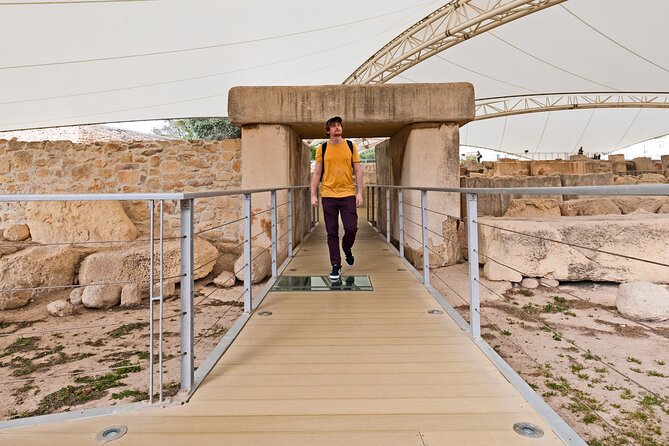
This is not a guided day-by-day tour with a single group and a single driver. It is a ticketed access pass plus transport rides you can use on your own schedule—especially the hop-on hop-off bus and the harbor/coastal cruises. That matters, because you’ll get the most value when you treat it like a flexible plan, not a strict itinerary.
The big promise is simple: see a wide slice of Malta’s heritage in about three days, with entry to over 20 attractions using one pass. You will hit places that normally take planning: Fort St. Elmo in Valletta, the huge megalith temple complexes around the south coast like Ħaġar Qim and Mnajdra, and the underground history sites like St Paul’s Catacombs.
A smart way to think about it: this pass helps you stack classic Malta sights without buying and juggling individual tickets all day long. That saves time, and it reduces the chance that you arrive somewhere and realize the timing does not work.
Valletta power base: Fort St Elmo, Palace Armoury, and the Staterooms
Most people start with Valletta because it is the easiest place to build a sightseeing base. Within the city, this pass hits the dramatic highlights that make Valletta feel like a fortress even while you stroll through it.
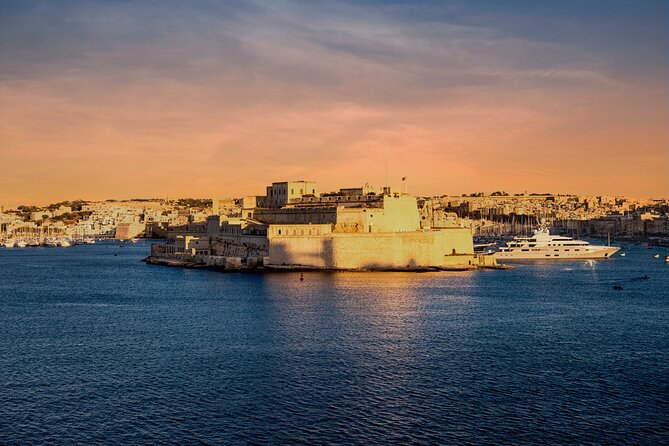
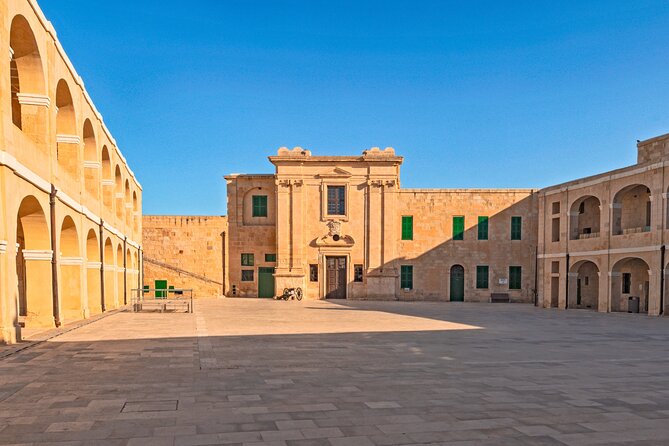
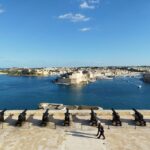
Fort St Elmo is the kind of place you can’t help but notice. It is a star fort on the seaward shore of the Sciberras Peninsula, guarding the entrances to both harbors. If you’ve ever read about the Great Siege of Malta, this is where the story becomes physical: you see how defensive architecture shaped the city’s survival in 1565.
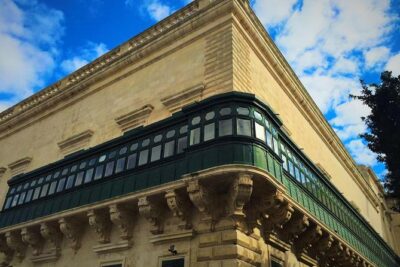
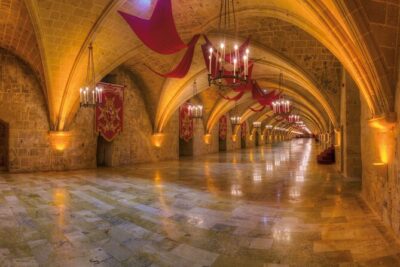
Two more Valletta stops add the human side of that same era. The Palace Armoury focuses on the Order of St John—armor suits of Grand Masters like Alof de Wignacourt and Jean de la Valette, plus Ottoman armor and weapons, and even artillery pieces. Then the State Rooms bring you into the Presidential Palace area in the heart of Valletta, with layers of history from the Order’s headquarters days to later British-era governance roles.
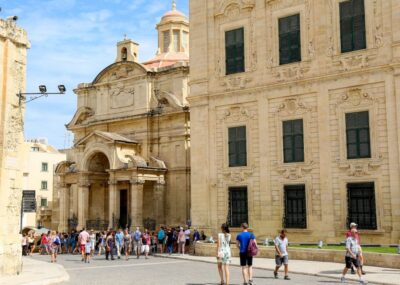
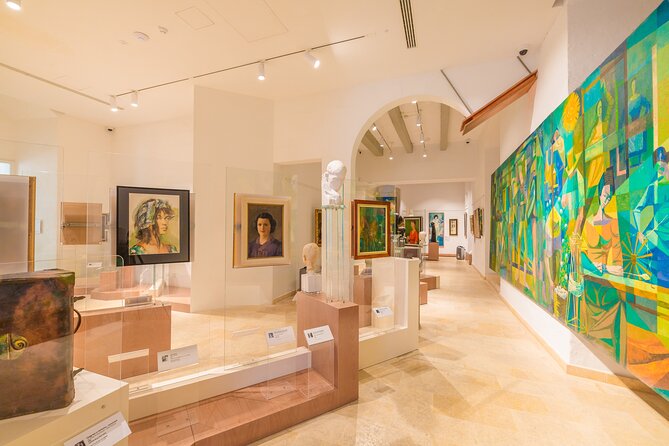
If you want a museum break without leaving the heritage trail, MUŻA (the Malta National Community Art Museum) fits the bill. It is tied to Auberge d’Italie and was formerly known as the National Museum of Fine Arts. It is a good pause if you want something lighter than stone temples and dark tunnels.
Practical note: Valletta days can get steep and sun-heavy. Build in shade stops—museums like MUŻA are an easy reset between forts and waterfront walks.
Neolithic Malta in one sweep: Ħaġar Qim, Mnajdra, Ta’ Ħaġrat, Skorba
Malta’s megalith temples are not a “nice-to-see” category. They are why people travel here in the first place. This pass gives you multiple temple eras and multiple settings, so you’re not stuck seeing only one kind of site.
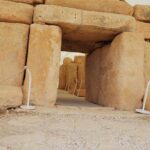
Start with the coastal pair in the south: Ħaġar Qim & Mnajdra Archaeological Park. These complexes sit on the southern edge of Malta on ridges made from globigerina limestone. The builders used this stone throughout the temple architecture, and the geology matters because it affects how the site looks and how it feels in person—sturdy, pale rock with long lines of weathered form.
Then you can go inland and older, with Ta’ Ħaġrat Temples in Mġarr. Ta’ Ħaġrat is UNESCO-listed and among the world’s oldest religious sites. You’ll see temple phases linked to Ġgantija and Saflieni-era dating, which is a useful way to understand that Malta’s prehistoric story is not one single moment—it’s a long run of belief and building.
Skorba Temples adds a northern-edge contrast. This site is associated with early Neolithic culture, and it was excavated in the early 1960s—later than some other Malta megalith locations. If you like seeing how research history shapes what you can learn at a site, Skorba is a great match.
And if you want a less crowded open-fields feeling, Borġ in-Nadur gives you a prehistoric complex overlooking St George’s Bay, with a megalith temple phase and remains of a Bronze Age village, plus connections to cart ruts and other archaeological features nearby.
Timing tip: temples work best with morning or late afternoon light. If you go at midday, plan for slower walking and more breaks. Your feet and your neck will thank you.


Underground Malta: St Paul’s Catacombs and Ghar Dalam Cave
If you want variety on this pass, make time for the underworld stops.
St Paul’s Catacombs are a major Malta early-Christian site. The underground galleries and tombs date from roughly the third to the eighth centuries CE, and the complex includes dozens of hypogea overall, with many open to the public. The feeling here is very different from the open-air temples: cool air, tight passages, and the sense that you’re reading history in shadow.
Then there is Ghar Dalam Cave and Museum near Birżebbuġa. The cave is a 144-metre long phreatic tube, and it is tied to animal remains from the end of the Last Glacial Maximum. It also connects to deeper Malta prehistory through the names used for prehistoric phases. In other words: this is not just “a cave.” It is a science-and-ancient-life stop that gives your story of Malta a different kind of evidence.
Do you want one practical strategy? Try to separate the underground sites from the coastal ones. After walking in caves, you’ll want an outdoor meal and some street time so the day stops feeling like one long tunnel.
Roman and natural history breaks: Mdina’s museum and Domvs Romana
Not every stop needs to be stone-age or siege-era. This pass includes museum time that rounds out Malta’s story in a more relaxed way.
In Mdina, the National Museum of Natural History sits in Palazzo Vilhena, a French Baroque palace rebuilt in 1726. It is run by Heritage Malta and focuses on Maltese ecosystems—both on land and under water—plus endemic plants and birds. If you are the type who likes to learn what species live on the islands today, this is a welcome change from “ancient people built this.”
The museum also covers geology and palaeontology, with minerals, fossils, insects, reptiles, birds, mammals, fish, and more. It is a good stop if you want a calmer, more sit-down experience during a busy sightseeing streak.
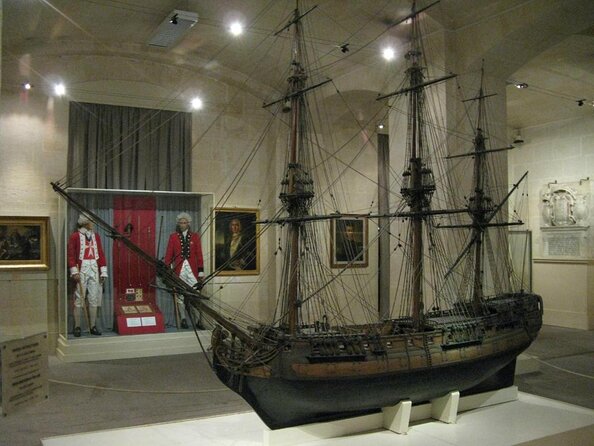
For Roman atmosphere closer to Valletta-area sightseeing, Domvs Romana gives you a look at the private life of an ancient Roman aristocrat. Even though very little survives of the domus itself, the surviving mosaics and artifacts are still enough to make the past feel tactile.
If you’re doing this pass in summer, I like using these museum stops as heat buffers. You’ll move less and recharge faster, and you won’t feel like you’re “giving up” time on a sightseeing day.
Getting from A to B: hop-on hop-off routes plus the cruises
The transport side is where this pass can either feel effortless or feel annoying. Here is what to expect.
Hop-on hop-off bus
The pass includes unlimited hop-on hop-off bus use. That’s the key phrase. You can get on and off as you build your day, and you can repeat routes if you need to return.
The practical trick: the bus experience is only as smooth as your stop-finding skills. Some people struggle to locate the correct stop at the Valletta waterfront if they do not line up their entry with the same pickup point they left from. My advice is simple: take a screenshot of the bus stop location points on your phone before you ride, then use it each time.
Also, keep your base location in mind. If you’re staying up in the north, you may run into pickup quirks or longer transfers. If you’re staying in the Valletta side, you’ll usually feel more “in the system.”
Harbor cruise of Valletta and the Three Cities
This is one of the smartest additions. Sitting down on the water resets your legs while still letting you see Malta from a different angle. The harbor cruise includes free Wi-Fi on board, which is useful for maps, photos, and keeping your next stop schedule on track.
The Three Cities area is part of why the harbor feels layered—fortifications, traditional stone neighborhoods, and viewpoints you miss when you only walk.
Coastal pass route to Comino and Gozo
The pass also includes a coastal pass route that reaches Comino and Gozo. This is your chance to do more than one island mood in the same trip. Since this is included transport, you don’t need to squeeze it into a separate day plan with extra booking stress.
I recommend planning Comino/Gozo for a day when you want a slower pace and longer views—because no matter how good your schedule is, ferry and boat time adds up. The payoff is you come back feeling like you did more than “just Valletta.”
A smart 3-day plan that actually fits the pass
You can try to hit everything and end up exhausted. Or you can build a plan that keeps your energy for the best stops.
Here is a practical way to structure it:
Day 1: Valletta heavy day
Start with Fort St Elmo, then move into the armor/authority story with Palace Armoury and the State Rooms area. Add MUŻA if you want a break that still feels connected to Valletta’s heritage theme. If you have energy, use the evening harbor cruise to round the day off with a low-effort reset.
Day 2: South-coast temples and underground contrasts
Focus on Ħaġar Qim and Mnajdra. The coastal temple setting is a full experience on its own, so don’t overcrowd it. In the afternoon or the next morning (depending on opening times), slot in St Paul’s Catacombs or Ghar Dalam Cave. Doing both underground in one day can work, but you’ll likely want a long outdoor lunch between them.
Day 3: Temples inland plus a museum or Roman stop
Use Ta’ Ħaġrat and Skorba for the UNESCO megalith contrast, then add Domvs Romana or Mdina’s Natural History Museum if you want the day to feel less like a race. If Comino and Gozo are high on your list, make this the day you take the coastal route and treat the inland stops as flexible.
The most important planning rule: check the QR opening times linked to your pass for each site. Some sites can close at short notice, and that single fact can ruin a tight schedule. When you give yourself a buffer, the day stays fun even if one stop doesn’t happen.
Price and value: is $92.69 per person a good deal?
For $92.69 per person, this pass is aiming at a very specific value goal: help you get into a lot of major sites for one predictable price, plus the bus and cruise perks. In a place like Malta, where you can burn a day just paying for entry and then paying again for transportation, that one-ticket bundling can feel like the difference between a trip that feels smooth and one that feels like errands.
You get the best value if you:
- commit to seeing a high share of the included sites (not just one or two headline attractions)
- use the unlimited bus rides so you are not stuck walking long distances you thought the bus would handle
- add the cruises because they change the day rhythm and include Wi-Fi on board
If you are the type who wants a slower, more selective plan—say, only one temple complex and one museum—then a pass like this can feel like paying for a lot of options you may not use. In that case, compare your must-sees first.
Also, watch the exact validity window on your ticket. Some people talk about longer validity, while the pass description here is framed as a shorter 3-day window. Your ticket is the final word.
Should you book the Heritage Pass in Malta?
Book it if you want maximum Malta per day with transport built in, and you don’t mind spending a bit of time planning your stop sequence. It is a great fit if you like history across time periods—fortifications, prehistoric temples, Roman remains, and early Christian tunnels—all in one trip.
Skip it (or at least reconsider) if you dislike figuring out bus stops, you’re staying far from the main Valletta hub, or you want a laid-back plan with only a handful of places. The day can go great when the sites are open and you catch the right transport points.
My bottom line: if you use it like a flexible sightseeing tool, this pass can turn three days into a strong Malta overview without feeling like you spent the whole trip in lines.
FAQ
What is the Heritage Pass in Malta?
It’s a multi-day pass based in Valletta that includes access to over 20 heritage sites plus unlimited use of a hop-on hop-off bus and included harbor and coastal cruises.
Where does the experience take place?
The pass is located in Valletta, Malta.
How long is the pass valid for?
The experience is listed as 3 days (approx.).
What major attractions are included?
The pass includes sites such as Fort St. Elmo, Hagar Qim, Mnajdra, St Paul’s Catacombs, and other heritage sites like Ta’ Ħaġrat, Ghar Dalam Cave and Museum, Fort St Angelo, and Hal Tarxien Temples.
Does the pass include bus transportation?
Yes. It includes unlimited hop-on hop-off bus use.
Are the cruises included?
Yes. It includes a harbor cruise of Valletta and the Three Cities, and a coastal pass route to Comino and Gozo.
Is there Wi-Fi on the cruises?
Yes. Both cruises include free Wi-Fi on board.
Are the attractions free with the pass?
Each listed stop shows Admission Ticket Free as part of the experience.
What are the opening hours for the experience?
The listed hours are 8:00 AM to 6:00 PM, Monday through Sunday.
What if a site is closed when I arrive?
You should scan the QR code for the opening times of each place. If a site is closed or changes at short notice, you may need to adjust your plan based on the QR information.
What if the weather is bad?
The experience requires good weather. If it’s canceled due to poor weather, you’ll be offered a different date or a full refund.
More Maltese History Tours




More Tour Reviews in Valletta





Wondering what else is on? More Malta and Gozo trips from our own notebook



Historical Tours, compared.
 ★ 4.0Maltese Islands History Audio-Visual Show and La Sacra Infermeria TourFrom $24344 reviews
 ★ 3.7Valletta: Self-Guided Historical Walking Tour (Audio Guide)From $8251 reviews
 ★ 4.5Wonderful Valletta, gastronomy, art, and history in the MediterraneanFrom $5472 reviews
 ★ 5.0The Dark History of Valletta – Walking TourFrom $2450 reviews
 ★ 4.5The Food & History Private Tour of MaltaFrom $16744 reviews
 ★ 4.5Mdina: Private Historical City Walking Tour with Rabat TownFrom $17741 reviews
 ★ 5.0Mdina and Rabat Food and History TourFrom $8124 reviews
 ★ 4.7Palazzo Falson Historic House Museum entrance ticketFrom $1522 reviews
Browse the lists this tour appears in