
Reviewed · VALLETTA WALKING TOURS
Valletta: Guided City Walking Tour
Valletta rewards slow walking. This 2.5-hour guided stroll turns Malta’s capital into something you can actually follow—with fortress-city context and real-feeling street stories. You’ll cover key sights and also hear the small details that make the city click.
I especially like the clear, organized route that helps you get oriented fast, even if it’s your first time in Valletta. I also like that the guides bring the city to life with humor and personal-style anecdotes—from family memories to comparisons using old photos versus today.
One thing to consider: you’re on foot the whole time, and there are a few steps along the way, plus the terrain is uneven. If you’re sensitive to hills or stairs, plan for extra comfort breaks.
In This Review
- Key highlights you’ll feel during the walk
- Why Valletta feels different with a guide
- Starting at City Gate: New Parliament Building and the red umbrella
- Fortress city 101: what “Valletta” means in real life
- Auberges, palaces, and the Knights’ architecture you can point to
- Barrakka Gardens: the Grand Harbour payoff
- Churches and squares: learning what the city celebrates
- St. George’s Square finish: get your bearings for the rest of the day
- Pace and comfort: manageable on foot, but plan for the terrain
- What $24 really buys you in Valletta
- Who this tour suits best (and who should adjust expectations)
- The guide matters: the stories you’ll remember
- Should you book this Valletta guided city walking tour?
- FAQ
- How long is the Valletta guided city walking tour?
- What is the meeting point?
- Where does the tour end?
- Is the tour in English?
- What should I bring?
- Are entrance fees included?
- Is this tour suitable for wheelchair users?
- Are there any steps during the walk?
- How much does it cost?
- Can I cancel and get a refund?
Key highlights you’ll feel during the walk
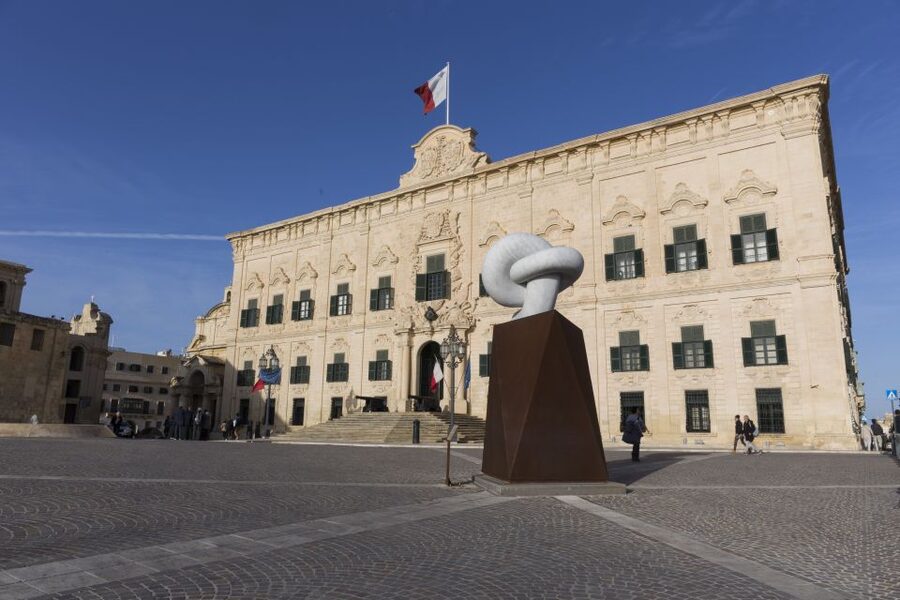
- City Gate start you can actually find: meet in front of the New Parliament Building, with the red umbrella.
- Fortress-city story from the ground up: you’ll learn how Valletta formed and changed over centuries.
- Knights’ architecture on the route: you’ll pass Auberges, palaces, and big landmark squares.
- Barrakka Gardens viewpoints: built-in photo moments over Malta’s Grand Harbour.
- Manageable pace with pauses: frequent stops help you keep up without feeling rushed.
- Smart finishing point: the tour ends at St. George’s Square, ideal for continuing on your own.
More Valletta walking tours we have followed through the old streets
- Valletta: 3-Hour Walking Tour
★ 4.7 · 1,605 reviews - Valletta: Guided City Walking Tour
★ 4.8 · 1,256 reviews - Valletta: Street Food and Culture Walking Tour
★ 4.8 · 1,251 reviews - Valletta: City Walking Tour in a Small Group
★ 4.9 · 957 reviews
Why Valletta feels different with a guide
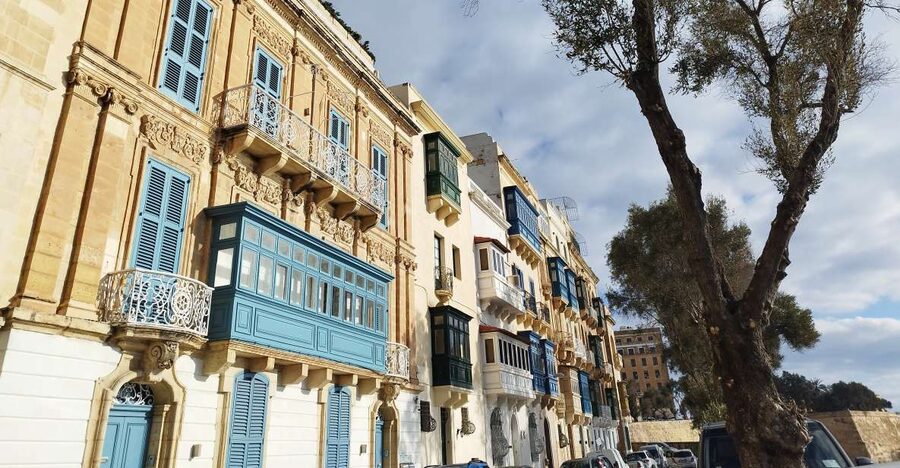
Valletta is compact, but it’s not simple. Streets curve, viewpoints surprise you, and the buildings carry layers from the Knights of St. John and later eras. A good guide helps you connect those layers so you don’t just “see places”—you understand why they’re there.
This tour is also a great timing move. With only 2.5 hours, you get a high-density introduction that’s especially useful on a first visit, when you’re still figuring out where the main sights sit relative to each other.
Starting at City Gate: New Parliament Building and the red umbrella
You meet at the entrance of Valletta past the City Gate, right in front of the New Parliament Building area. If you’re coming by taxi, one nearby landmark drop-off is the Phoenicia Hotel at Triton’s Square, just a few meters from the City Gate side where you’ll link up with the group.
The easiest way to spot the tour is the red City Walking Tours umbrella. Arrive about 10 minutes early so the group can start on time—Valletta rewards punctuality because queues and crowd flow can tighten up around the central streets.
There are a few steps on the walk, so if you’ve got any balance issues, go slow in the first minutes. Once you’re with the guide, the pace is usually relaxed, with built-in pauses to regroup.
Fortress city 101: what “Valletta” means in real life
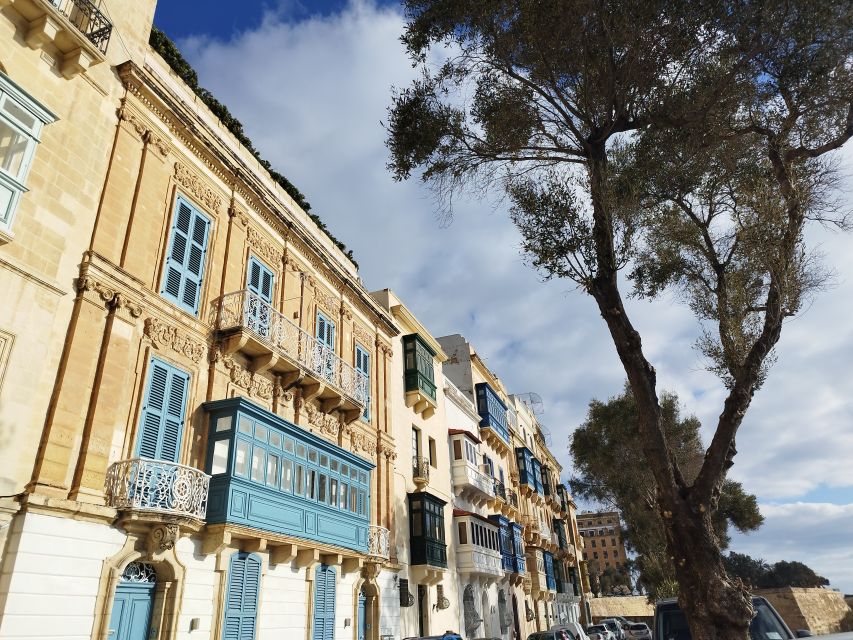
The tour begins with a plain-language introduction to the city—what it is, how it formed, and why its layout matters. You’ll hear how Valletta evolved through the centuries, shaped by major events, building campaigns, and the strategic need to defend a harbor-facing capital.
This is the part that makes everything else easier. When you understand that Valletta was designed as a fortress city, you start noticing patterns: where power was centered, how streets channel movement, and why so many viewpoints feel positioned on purpose.
I also like that the guides tend to keep the mix balanced. You get the historical backbone, then the “street level” stuff—how daily life worked, what people paid attention to, and how the city’s look changed over time.
More Maltese Islands walks through the honey-stone streets

Auberges, palaces, and the Knights’ architecture you can point to
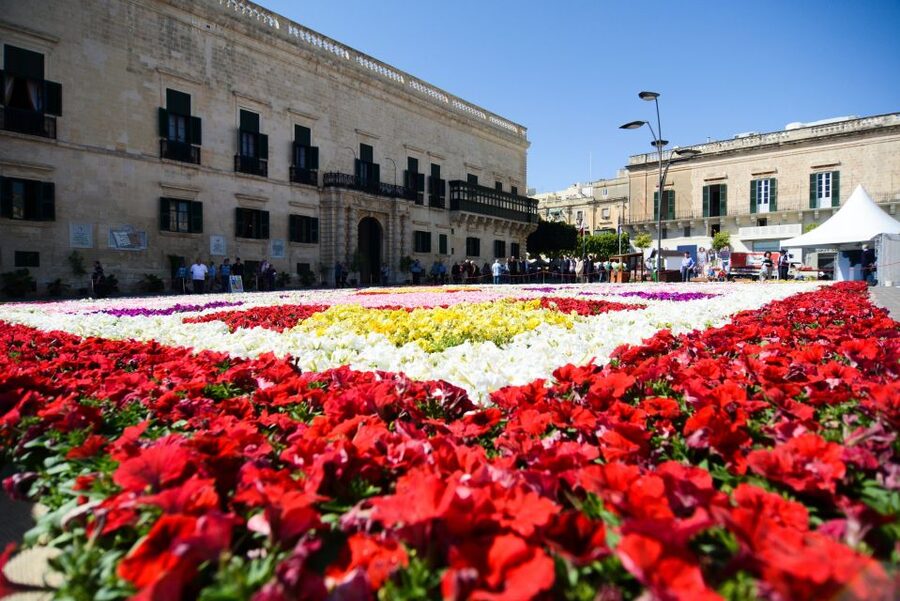
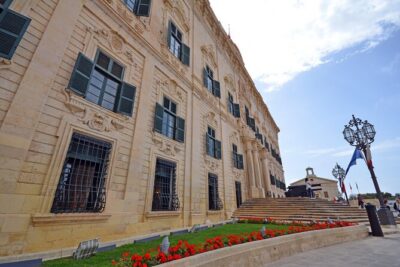
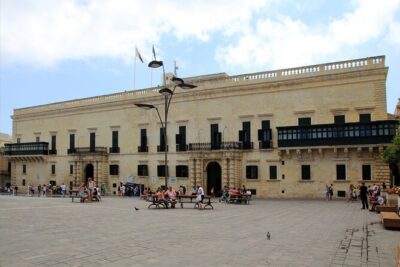
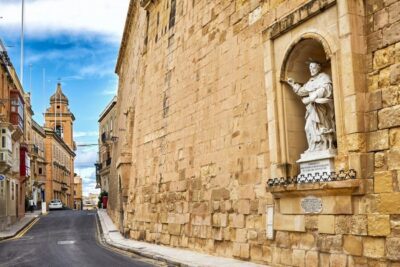
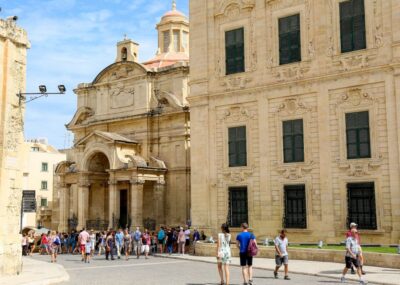
A big reason people come to Valletta is architecture—stonework, symmetry, and the distinct shapes of the Knights’ era. On this walk, you’ll pass the kinds of landmarks that make that era legible: Auberges of the Knights, major palaces, and the main squares where power and ceremony played out.
Even if you’re not a die-hard history buff, this section helps you “read” the city. You’ll understand what you’re looking at, not just that it looks old. And since the guide is walking with you, you can ask quick questions on the spot instead of trying to figure it all out later with a map and guesswork.
From what’s been shared by guides on this route, you may also get behind-the-scenes stories—small details that don’t usually show up on a standard photo stop.
Barrakka Gardens: the Grand Harbour payoff
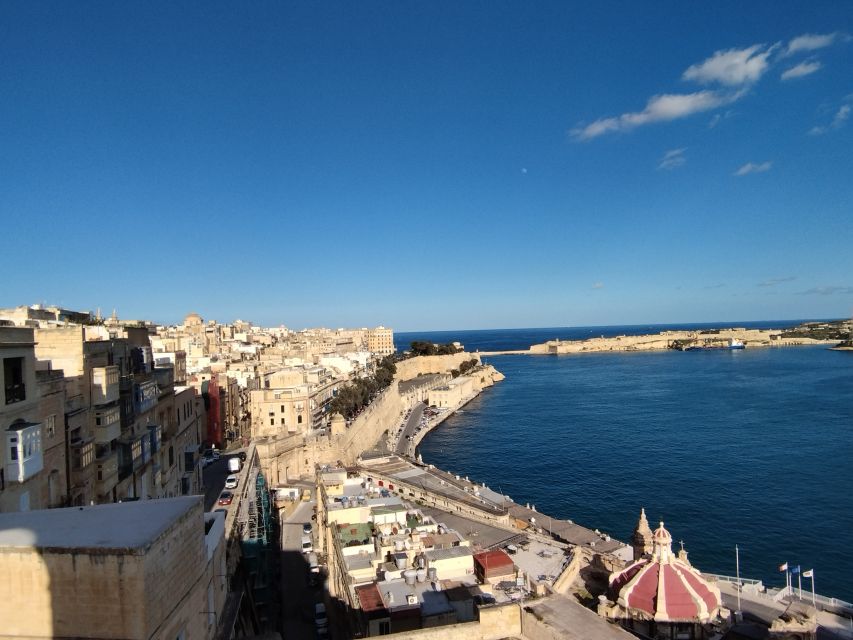
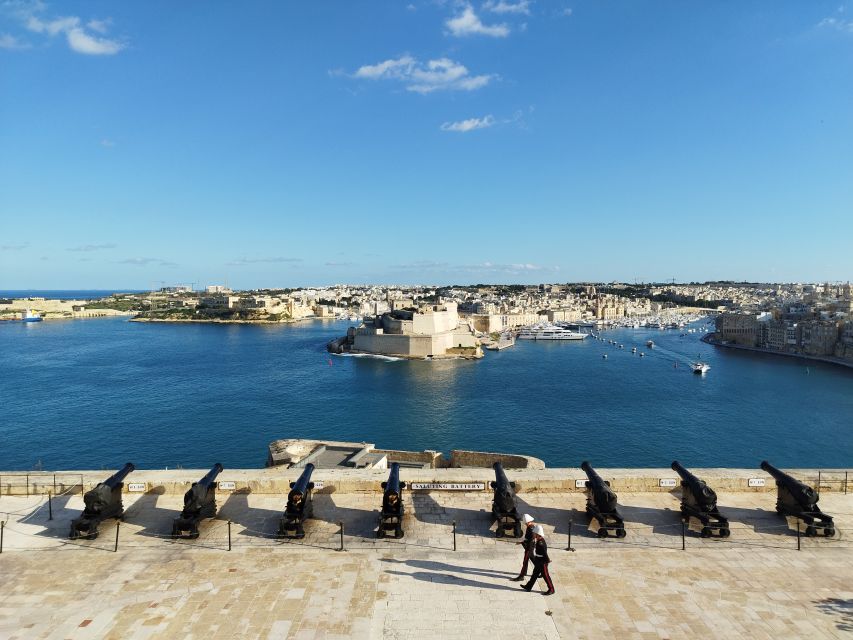
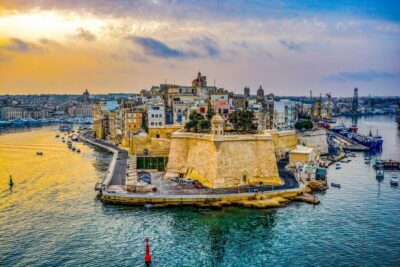
At some point, you’ll reach the gardens where the view does the talking. You’ll walk past Barracca Gardens (spelled Barrakka on many signs), and the payoff is the perspective over Malta’s Grand Harbour.
This is one of those moments where Valletta feels like it’s acting as a stage: the water, the fortifications, the angles between buildings, and that sense that this city was built for looking out. The guide helps you frame what you’re seeing, so your photos end up being more than postcard shots.
If you’re traveling in cooler months, the gardens can be a refreshing pause. In hot weather, it’s a useful breather even if you’re only lingering for minutes.
Churches and squares: learning what the city celebrates
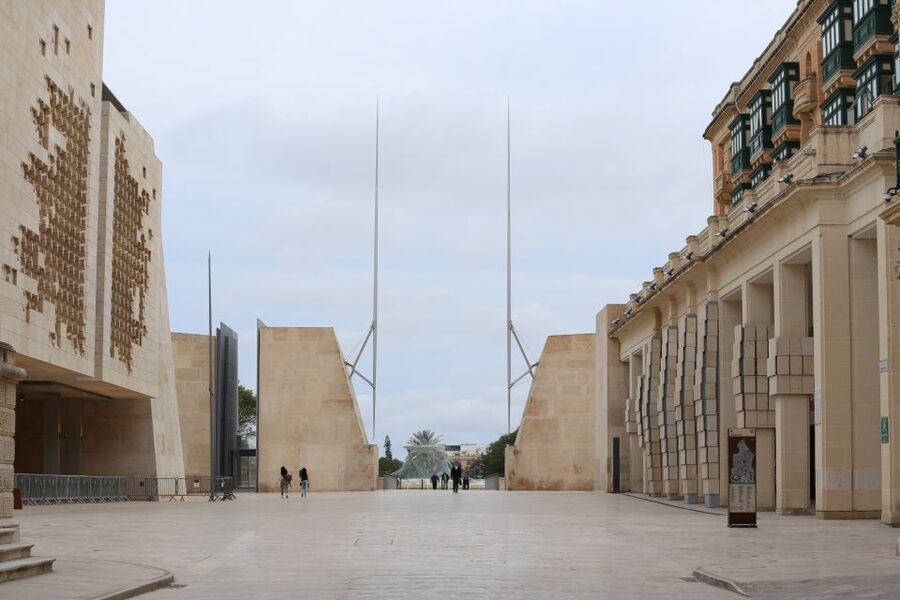
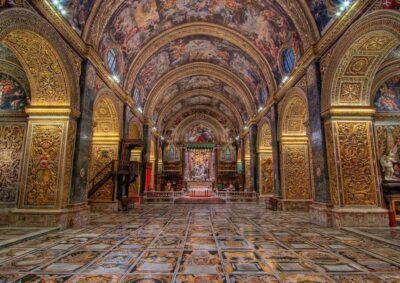
You’ll also pass churches and key squares. This isn’t just about getting good architecture photos—it’s about understanding how the city’s identity is tied to public space. Squares are where people gather, where ceremonies happen, and where the city’s rhythm shows up between the big monuments.
The guide’s role here is to point out the “why” behind the “what.” You’ll connect landmark buildings to the city’s growth and to the lives of the people who lived here across different periods.
One especially praised approach by guides on this kind of walk is a light hand with facts: enough history to matter, but not so heavy that you feel like you’re attending a lecture on cobblestones.
St. George’s Square finish: get your bearings for the rest of the day
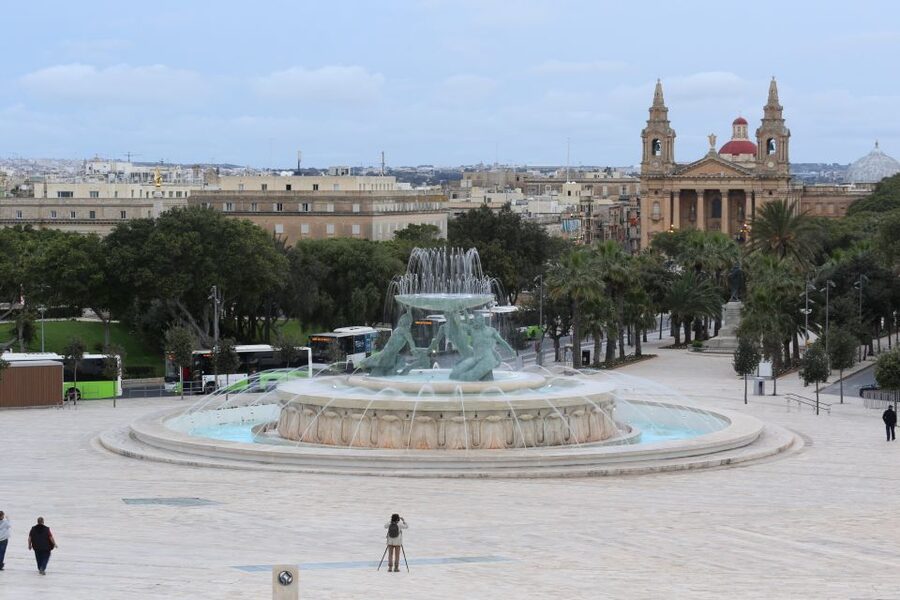
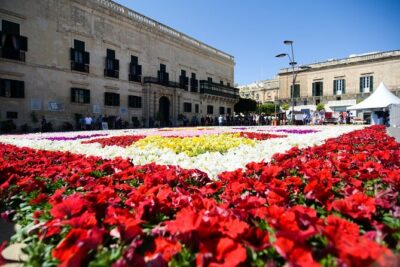
The tour ends at St. George’s Square, near the Grandmaster’s Palace area. This is a smart endpoint because it places you in a high-meaning part of the city, while still leaving you options for the next leg.
Your guide helps you orient yourself—where things are relative to where you’ll want to go next. You’ll also get practical tips for how to continue exploring on your own, which is often what separates a “nice walk” from an actually useful trip.
If you’re planning a second walk (or building a day around museums and churches later), this finish point gives you a strong reference point.
Pace and comfort: manageable on foot, but plan for the terrain
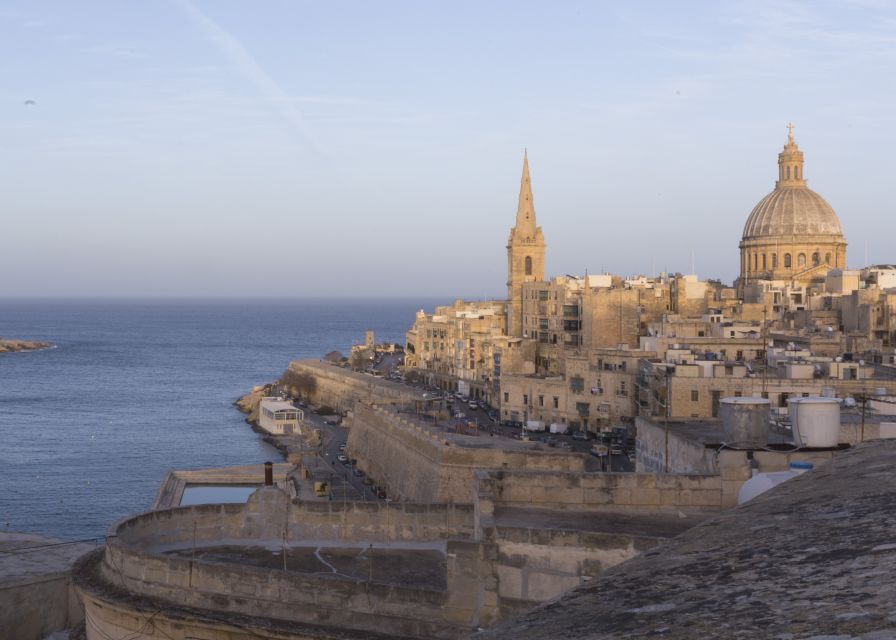
The walk is designed to be not strenuous, with stops and comfort breaks. Groups have noted the route never feels like constant steep climbing without pause, and many guides keep it easy to follow with a steady tempo.
That said, Valletta is built on uneven ground. Expect some steps, some cobblestones, and some stairs in and around viewpoints. Bring comfortable shoes and treat the tour as “active city walking,” not an easy stroll on flat sidewalks.
If you’re in a group, it can also get loud and crowded near the central sights. Some people have mentioned an audio setup (a voice system) that makes it easier to hear the guide over street noise. If you can’t hear clearly at first, tell the guide—hearing well changes the whole experience.
What $24 really buys you in Valletta
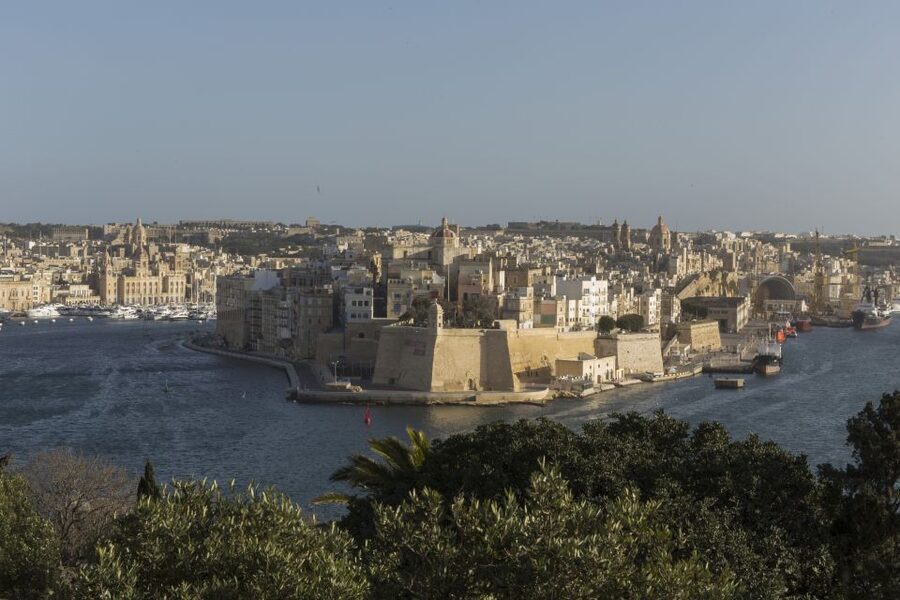
At about $24 per person for a 2.5-hour guided walk, the value comes from what isn’t easy to DIY. Yes, Valletta is walkable—but the city is also full of “read-between-the-lines” details. The guide provides context for the Knights, the fortress layout, and why specific squares and buildings matter.
Your ticket includes the licensed guide, and it’s structured so you cover a lot of ground efficiently without feeling like you’re sprinting.
Entrance fees are not included for churches or museums, so you decide on the spot whether you want to pay to go inside. For many visitors, this is a good trade-off: you get the big picture on the walk, and only pay for interiors if you genuinely want them.
Who this tour suits best (and who should adjust expectations)
This walk is a strong match if you:
- want a first-time-friendly introduction to Valletta’s key sights
- like history told through real streets, not just plaques
- enjoy viewpoints with context (instead of random photo stops)
It also works well if you want something sociable but not intense—guided, yes, but not “stand in place for hours” sightseeing.
It’s not suitable for wheelchair users, and the route includes a few steps. If you need full accessibility, you’ll want to look for an alternative format that fits your mobility needs.
The guide matters: the stories you’ll remember
The guides are a major part of why this tour earns such high ratings. Names that show up in the guide feedback include Marisa, Angel, Nadine (and spelling variations like Nadeen/Nadine), Nadine/Nadeen, and John/Ernest depending on the departure.
What gets praised most is the storytelling approach: lively delivery, humor, and personal-style anecdotes. A recurring theme is how guides connect “then and now,” sometimes using old photographs to show what places looked like at different points in time. That’s a powerful way to make Valletta feel alive, not frozen.
Guides also tend to share practical ideas beyond the monuments—food and drink suggestions, and helpful advice for rainy-day planning if the weather changes while you’re there.
Should you book this Valletta guided city walking tour?
Book it if you want a smart, high-value introduction to Valletta in 2.5 hours, especially on your first day. The starting point is clear, the route hits major highlights, and the guide adds the context that turns buildings into a story you can follow.
Skip it (or rethink it) if you strongly prefer museum time over walking, or if stairs/steps are a dealbreaker for you. Otherwise, this is the kind of tour that helps you fall into Valletta faster—and then explore the rest of the city with confidence.
FAQ
How long is the Valletta guided city walking tour?
It runs for about 2.5 hours.
What is the meeting point?
Meet at the entrance of Valletta in front of the New Parliament Building, passing the City Gate on your right. Look for the red City Walking Tours umbrella.
Where does the tour end?
The tour ends at St. George’s Square, next to the Grandmaster’s Palace.
Is the tour in English?
Yes, the live guide provides the tour in English.
What should I bring?
Wear comfortable shoes, since you’ll be walking.
Are entrance fees included?
No. Entrance fees to churches or museums are not included.
Is this tour suitable for wheelchair users?
No, it is not suitable for wheelchair users.
Are there any steps during the walk?
Yes, there are a few steps on the walking tour.
How much does it cost?
The price is $24 per person.
Can I cancel and get a refund?
Free cancellation is available up to 24 hours in advance for a full refund.
More Tours in Valletta






More Tour Reviews in Valletta
More Valletta Walking Tours



Wondering what else is on? More Malta and Gozo trips from our own notebook




Valletta Walking Tours, compared.
 ★ 5.0The Original Valletta Walking TourFrom $262,719 reviews
 ★ 4.7Valletta: 3-Hour Walking TourFrom $251,605 reviews
 ★ 4.8Valletta: Street Food and Culture Walking TourFrom $651,251 reviews
 ★ 4.9Valletta: City Walking Tour in a Small GroupFrom $24957 reviews
 ★ 4.3From Sliema: Valletta and the Three Cities Scenic CruiseFrom $24763 reviews
 ★ 4.3Valletta: Guided Walking Tour with Optional Cathedral TourFrom $46758 reviews
 ★ 5.0Valletta Food TourFrom $60711 reviews
 ★ 5.0The Valletta Street Food and Culture Walking TourFrom $66711 reviews
Browse the lists this tour appears in