
Reviewed · VALLETTA WALKING TOURS
The Taste and History of Valletta
Valletta feels sharper when you’re fed as you walk, with food tastings and history stories tied to real places. I like how the tour pairs recognizable Maltese favorites with specific local stops, like an 180+ year landmark café for coffee and pastries and a classic 1874 building serving traditional dishes with Maltese wine.
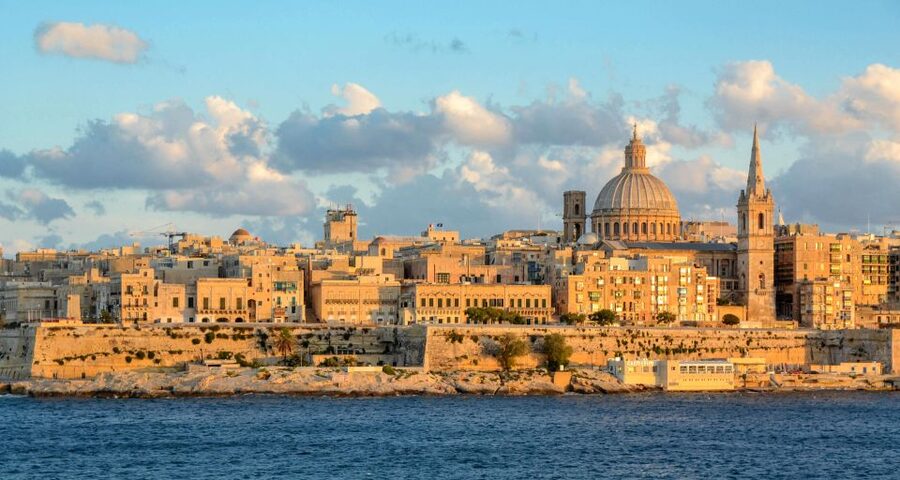
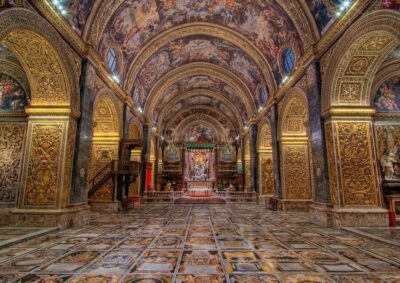
You also get a proper historic walk, not just a meal parade. I like that you start near St John’s Co-Cathedral, then work your way toward Pjazza Jean de Vallette while the guide explains why this city matters as a UNESCO World Heritage site and how its food culture has changed over time.
One thing to consider: it’s still a walking tour with a fair amount of ground covered. If you’d rather snack slowly without moving, bring comfortable shoes and expect you’ll be standing, walking, and stopping often.
In This Review
- Quick hits
- Why this Valletta taste-and-history walk works
- From St John’s Co-Cathedral to Pjazza Jean de Vallette: the route in plain terms
- The 180+ year café stop: coffee, pastries, and a local timeline
- Snackbar ftira and a local drink: casual food that tells you more
- Inside the 1874 building: traditional plates and Maltese wine
- Chocolate to close: your sweet, Malta-made finish
- How long is the tour, and what should you physically plan for?
- Guides and group size: small enough to feel personal
- Price and value: is $118 a fair deal?
- Who this tour suits best (and who might want something else)
- Should you book the Valletta Taste and History of Valletta tour?
- FAQ
- How long is the Valletta taste-and-history tour?
- Where does the tour start?
- Where does the tour end?
- What language is the live tour guide?
- What kinds of food and drinks are included?
- How much walking should I expect?
- Is the group size kept small?
- What’s the cancellation and payment flexibility?
Quick hits
- Start at St John’s Square (Misrah San Gwann), with St John’s Co-Cathedral as the landmark to find your guide fast
- 180+ year landmark café for Maltese-style coffee and pastries tied to local stories
- Snackbar stop with a Maltese ftira plus a local soft drink or an award-winning beer
- Traditional cuisine in a 1874 building with a plated selection paired with Maltese wine
- Finish at Malta-made chocolate for a sweet ending that feels like a local ritual
- Small-group pacing that keeps tastings spaced out enough to actually enjoy them
More Valletta walking tours we have followed through the old streets
- Valletta: 3-Hour Walking Tour
★ 4.7 · 1,605 reviews - Valletta: Guided City Walking Tour
★ 4.8 · 1,256 reviews - Valletta: Street Food and Culture Walking Tour
★ 4.8 · 1,251 reviews - Valletta: City Walking Tour in a Small Group
★ 4.9 · 957 reviews
Why this Valletta taste-and-history walk works
This is the kind of tour that helps Valletta click, because you’re not just looking at old stone—you’re tasting how people actually eat there. The format is simple: guided walking plus traditional tastings at places you’d otherwise walk past without noticing.
The second reason it works is that the history isn’t floating in the air as trivia. It’s attached to what you’re eating and where you’re standing. You’ll hear stories about Valletta’s role as a fortress city, why the area is a UNESCO World Heritage site, and how culinary traditions evolved as the city did.
And yes, you should plan to eat. The tour is built around multiple stops: pastry and coffee, ftira and a local drink, a restaurant-style spread of typical Maltese dishes with Maltese wine, and finally chocolate made in Malta. It’s very much a “come hungry” setup, and that’s a good thing.
From St John’s Co-Cathedral to Pjazza Jean de Vallette: the route in plain terms
The tour starts with your guide waiting in front of St John’s Co-Cathedral. From there, you’ll be on your feet exploring Valletta on a leisurely route that ends at Pjazza Jean de Vallette.
What this does for you as a visitor: it gives you a clean geographic backbone. You get your bearings fast because the meeting point is unmistakable, and the walking route naturally funnels you through Valletta’s key pedestrian areas instead of cutting across town randomly.
The walking itself isn’t described as a strenuous hike, but it’s also not a sit-and-smell itinerary. Expect enough movement that comfortable shoes matter. With a 3.5-hour duration, the group isn’t sprinting—just flowing from one tasting moment to the next.
The 180+ year café stop: coffee, pastries, and a local timeline
One of the most appealing parts is the first “anchor” food stop: a Maltese landmark café with over 180 years of stories. You’ll try traditional coffee and pastries there, while the guide gives you the background for why the café became part of local life.
This stop matters because it sets the tone. Valletta is a city of layers, and the tour treats food the same way. Coffee and pastries aren’t just snacks; they’re a window into long-running habits—how people paused, met, and kept routines even as the city changed.
A practical tip: if coffee is your weakness (it is mine), this is the moment to enjoy it without rushing. The tour’s pacing includes breaks for eating, so take a breath here before the rest of the walk picks up.
More Maltese history tours tracing the Knights
Snackbar ftira and a local drink: casual food that tells you more
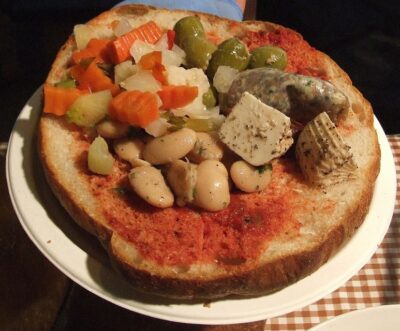
Next you head to a local snackbar, where the tasting centers on a Maltese ftira. The drink choice is also part of the experience: you’ll have local soft drink, or you can try an award-winning beer instead.
This is a smart move for a food tour because ftira is the kind of food you learn faster by eating it than by reading about it. It’s hands-on, straightforward, and very Valletta—more everyday than “tourist menu.”
The historical value comes from contrast. A landmark café with 180+ years behind it feels rooted and traditional. Then the snackbar feels like the living version of that same culture: quick, practical, and still very local. Together, they show you how tradition stays strong even when the format changes.
If you don’t drink alcohol, you’ll still get the experience through the soft drink option. The tour clearly builds in a choice here, so you don’t feel stuck.
Inside the 1874 building: traditional plates and Maltese wine
After the snackbar, the tour brings you into an enchanting 1874 building that now houses a restaurant focused on typical Maltese traditional cuisine. This is where the tour shifts from street-level bites to restaurant-style tastings.
You’ll get a selection of Maltese dishes paired with Maltese wine. From what you can encounter on the tastings, expect classic items like pastizzi and other street-food-style samples, and even mentions of an excellent tuna sandwich as part of what’s served. The point isn’t just the food list—it’s the way the meal helps you understand the city’s eating habits in a more complete picture.
Why I think this stop is one of the best values on the tour: it’s not one tiny bite. Reviewers point out that portions are generous at each stop, and that tastings are spaced well so you can digest and actually taste, not just graze.
Also, if you want the history to land in your brain, the 1874 restaurant setting helps. A building like that naturally encourages a story about how Valletta developed and how everyday life (including food) has carried on through time.
A small consideration: wine pairing is part of the concept. If you prefer staying non-alcoholic, still plan for the wine element as part of the tasting environment.
Chocolate to close: your sweet, Malta-made finish
The tour ends at a charming chocolate shop where you can indulge in exquisite chocolates made in Malta. This final stop is more than dessert. It’s a palate reset that gives your evening a satisfying “bookend.”
Chocolate is also a good match for the tour’s theme. Earlier you tasted coffee, pastries, ftira, beer/soft drink, and traditional plates with wine. Ending with Malta-made chocolate keeps the flavor arc feeling complete and local.
If you’re the type who always buys a souvenir food item, this is where you can do it without guessing. It also feels nice because you’re done with the walking, so you can linger and enjoy the sweet part fully.
How long is the tour, and what should you physically plan for?
The duration is 3.5 hours, and the tour is built as a walking experience with multiple food stops. That’s not automatically a problem, but it does change how you should show up.
I’d plan for:
- Comfortable footwear (the tour explicitly warns you to expect a fair amount of walking)
- Layered clothing because Valletta’s weather can vary
- Appetite since you’ll be eating at several points, not just sampling one small snack
The pacing is described as spaced appropriately to allow you to digest, and that lines up with what makes a food tour enjoyable. When stops are timed well, you don’t feel stuffed after the second location, and you can actually notice what makes each place different.
Guides and group size: small enough to feel personal
A standout part of this experience is the small group setup. That matters because food tours can go two ways: either you feel like you’re being herded, or you feel like you’re part of a slow-moving group that can ask a question when something lands.
The tour includes an English live guide, and reviews specifically mention guide performance in a positive way. Names like Andrew and Caroline show up in feedback: Andrew is praised for combining good food with history info, and Caroline is described as a lovely host who explains facts in an engaging way.
One more nuance from feedback: if your guide is a bit shy during seated meals, it won’t necessarily harm the quality—history and context can still be delivered clearly even if conversation is calmer. The tour structure already does a lot of the work for you.
Price and value: is $118 a fair deal?
At $118 per person for a 3.5-hour guided walking tour, you’re paying for three things at once: local guidance, multiple tastings, and historical interpretation tied to the route.
Here’s why it can feel like good value rather than a pricey splurge:
- You’re not just paying for food at one place. You’re sampling across several locations: coffee and pastries, ftira with a local drink choice, a restaurant-style tasting with Maltese wine, and chocolate to finish.
- Reviews highlight that portions at each stop can be generous and spaced out, which makes the time feel worth it.
- The guide component isn’t generic. The tour includes narratives about Valletta as a UNESCO World Heritage site and as a fortress city, plus how culinary traditions have evolved over time.
If you planned to do this on your own, you’d likely spend time figuring out where to eat, what to order, and how to connect it to the city’s story. This tour bundles that into one plan—walk, taste, learn, repeat.
Who this tour suits best (and who might want something else)
This tour is ideal for you if:
- You want to experience Valletta’s food culture in a way that doesn’t require restaurant research
- You like history that’s tied to places, not just dates
- You want a tasting route that’s structured, with stops spaced so you can actually enjoy each one
It may be less ideal if:
- You don’t like walking during a tour (there is a fair amount of walking)
- You strongly prefer alcohol-free tastings only, since wine and beer are part of the food pairing concepts
Should you book the Valletta Taste and History of Valletta tour?
I’d book it if you’re the type of visitor who learns best by doing. This tour gives you a focused way to see Valletta—starting at St John’s Co-Cathedral, eating your way through landmark and traditional spots, and ending in a sweet finale at Pjazza Jean de Vallette.
To make the best decision, ask yourself two quick questions:
- Do you want food stops that include a real mix of coffee/pastry, ftira, typical dishes with wine, and Malta-made chocolate?
- Are you comfortable with a 3.5-hour walking plan in a historic city?
If the answers are yes, this is a strong pick for a first visit or a mid-trip reset—because you’ll leave with both fuller stomach and clearer understanding of why Valletta’s food feels so tied to its story.
FAQ
How long is the Valletta taste-and-history tour?
The tour lasts 3.5 hours.
Where does the tour start?
The guide waits in front of St John’s Co-Cathedral.
Where does the tour end?
It ends in Pjazza Jean de Vallette.
What language is the live tour guide?
The tour is guided in English.
What kinds of food and drinks are included?
You’ll have tastings that include coffee and pastries, ftira with a local soft drink or an award-winning beer, typical Maltese dishes paired with Maltese wine, and chocolates made in Malta.
How much walking should I expect?
It’s a walking tour with a fair amount of walking, so comfortable footwear helps.
Is the group size kept small?
Yes, the tour is described as a small group experience.
What’s the cancellation and payment flexibility?
The tour offers free cancellation up to 24 hours in advance for a full refund, and it also includes an option to reserve now and pay later.
More Maltese History Tours

More Tour Reviews in Valletta




More Valletta Walking Tours


Wondering what else is on? More Malta and Gozo trips from our own notebook


Valletta Walking Tours, compared.
 ★ 5.0The Original Valletta Walking TourFrom $262,719 reviews
 ★ 4.7Valletta: 3-Hour Walking TourFrom $251,605 reviews
 ★ 4.8Valletta: Guided City Walking TourFrom $241,256 reviews
 ★ 4.8Valletta: Street Food and Culture Walking TourFrom $651,251 reviews
 ★ 4.9Valletta: City Walking Tour in a Small GroupFrom $24957 reviews
 ★ 4.3From Sliema: Valletta and the Three Cities Scenic CruiseFrom $24763 reviews
 ★ 4.3Valletta: Guided Walking Tour with Optional Cathedral TourFrom $46758 reviews
 ★ 5.0Valletta Food TourFrom $60711 reviews
Browse the lists this tour appears in