
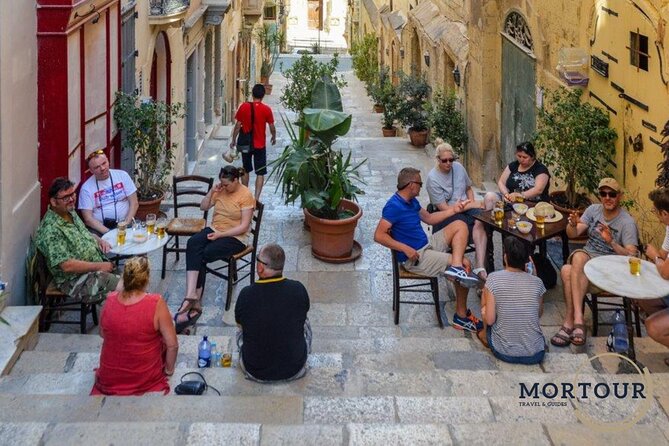
Reviewed · VALLETTA WALKING TOURS
Wonderful Valletta, gastronomy, art, and history in the Mediterranean
Valletta in two hours can change your whole trip. This fast-paced tour mixes Mediterranean history, street-level art and culture, and some Maltese food stops in a compact walk from Victoria Gate to St. John’s Co-Cathedral.
Two things I like right away: the tour gives you a clear sense of how Valletta shaped and was shaped by empires, and you get practical ideas for eating and drinking beyond the obvious tourist traps. One thing to keep in mind: if you’re expecting a full-on food tour or a strictly art-focused route, the emphasis can shift, so your best move is to choose this for orientation, not for a long sit-down meal.
In This Review
- Key Highlights You’ll Notice Right Away
- Valletta’s Tiny Size, Huge Backstory
- Two Hours on Foot: How the Walk Comes Together
- The History Lesson You Can See: From Knights to British Echoes
- Caravaggio’s Trail Through Ordinary Corners
- Early 1500s Malta: Buildings That Give You the Timeline
- Maltese Food on the Move: Pastizzi, Pizza Ideas, and Cocktails
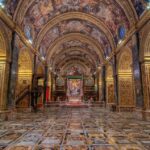
- St. John’s Co-Cathedral as the Finale
- Price and Group Size: Is $54.31 Worth It?
- What Kind of Traveler Should Book This
- Quick Advice Before You Meet Your Guide
- Should You Book This Valletta Walk?
- FAQ
- FAQ
- How long is the Valletta tour?
- Where do I meet the guide and where does the tour end?
- Is the tour in English?
- What’s the group size?
- Is there a mobile ticket?
- Is food included?
- Does the tour run year-round and at what times?
- What if the weather is bad?
- Are service animals allowed?
Key Highlights You’ll Notice Right Away
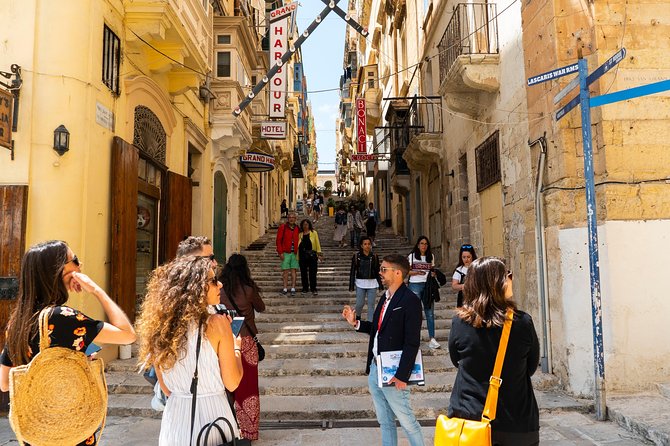
- Small group (max 10) means more back-and-forth questions and easier pacing on steep streets
- Start at Victoria Gate, end at St. John’s Co-Cathedral for an easy “from fortifications to faith” flow
- Caravaggio-linked alleys show how art stories hide in everyday corners
- Pastizzi and more food ideas bring Maltese flavors into the history walk
- Talks cover many rulers including Ottoman, Knights, Napoleon, British, and even 20th-century chapters
More Valletta walking tours we have followed through the old streets
- Valletta: Guided Walking Tour with Optional Cathedral Tour
★ 4.3 · 758 reviews - The Valletta Street Food and Culture Walking Tour
★ 5.0 · 711 reviews - Valletta: Vintage Bus to Valletta, Sliema, Rabat & Mdina
★ 4.1 · 433 reviews - Valletta Segway Tour and The Malta Experience
★ 5.0 · 397 reviews
Valletta’s Tiny Size, Huge Backstory
Valletta is the European Union’s smallest capital city. It’s also one of the most crowded with stories per square meter—Ottomans, the Knights, Napoleon, the British, and later upheavals all leave traces you can still recognize in the city fabric.
This is the kind of place where a street name can feel like a timeline. The tour leans into that, connecting big-picture events to the practical question of what you’re actually seeing right now.
And there’s a cultural note worth knowing: Valletta was named European Capital of Culture in 2018. Even if you don’t plan your whole trip around that label, it helps explain why art and history are treated as everyday things here, not just museum topics.
Two Hours on Foot: How the Walk Comes Together
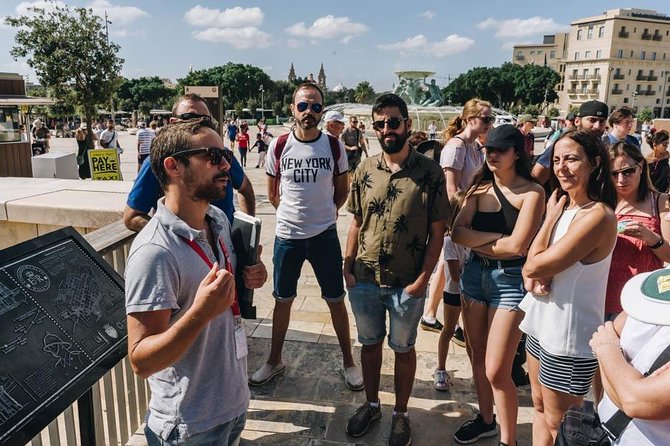
The tour runs about 2 hours, designed for people who want to get their bearings fast. With a maximum of 10 in the group, it’s not the usual cattle-line experience. You can expect pauses for viewpoints and quick explanations as you move from one landmark area to another.
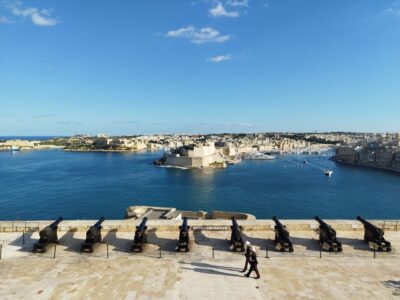
You’ll start at Victoria Gate (a logical first stop because it frames Valletta as a fortified city), then work your way toward the area around St. John’s Co-Cathedral for the finish. That arc matters: you’ll feel the shift from the city’s outer defenses and entrances into its artistic and religious center.
It’s offered in English, and it’s built for most people who can handle a walking city. Since Valletta streets can be uneven and slopes are real, wear shoes you’re comfortable with for a steady stroll.
The History Lesson You Can See: From Knights to British Echoes
What I like about this tour is how it treats history as something you can point at, not something you only hear about. You’ll get the origins of the city and why it became so sought-after in the Mediterranean—then the story follows as power changes hands.
One thread the tour highlights is the British period and how it still shows up in daily details. Even if you’ve heard the British connection in Malta before, seeing it folded into the walking route helps the era feel less like trivia and more like a lived layer of the city.
The tour also points to how Malta’s position keeps pulling outside forces through its orbit. That’s why you get references that span the Ottoman Empire, the Knights, Napoleon, the British, and later 20th-century events. The goal isn’t to turn it into a lecture; it’s to explain why Valletta feels so concentrated.
More Maltese history tours tracing the Knights
Caravaggio’s Trail Through Ordinary Corners
If you like art stories that don’t live inside museum walls, this is the part to pay attention to. The walk includes alleys and viewpoints tied to Caravaggio, including the legend of him escaping justice into Valletta’s street maze.
Even when you don’t know every detail of Caravaggio’s life, you can use this to read the city better. Valletta’s architecture and narrow streets are exactly the kind of place where the line between art and escape routes makes sense.
The tour’s art angle isn’t built around a long museum stop. Instead, you get discussion that helps you look at places with more meaning once you move on. When the route ends near St. John’s Co-Cathedral, you’re already primed to notice why art and power were linked so tightly in this city.
Early 1500s Malta: Buildings That Give You the Timeline

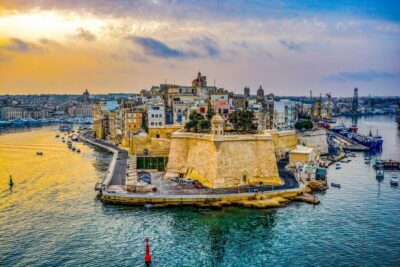
A big reason Valletta works so well on foot is that older buildings don’t feel hidden. The tour includes references to key historic structures dating back to the early 16th century, so you get a sense of how quickly the city developed into a strategic stronghold.
Here’s the practical payoff: after this walk, you won’t just see “pretty old stone.” You’ll recognize that different building styles and locations hint at different eras of rule and purpose.
I also like that the tour doesn’t treat architecture as separate from daily life. You’re taught to connect places with why they were important—defense, religious authority, and cultural identity all show up as you walk.
Maltese Food on the Move: Pastizzi, Pizza Ideas, and Cocktails
This is where the tour can be either perfect for you or merely “nice to have,” depending on your expectations. The experience is meant to include Maltese gastronomy, with at least one tasting focus on pastizzi, plus guidance on where to find good pizza and even drink options that fit the city’s social side.
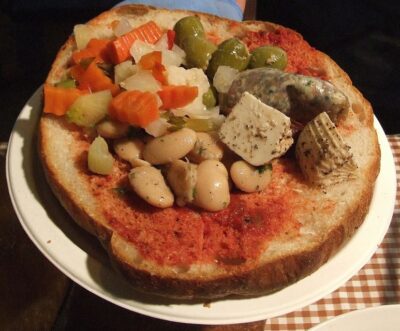
Pastizzi is a great choice for a walking tour ingredient. It’s local, it’s easy to share, and it gives you a real taste of Malta’s Italian-influenced food culture. The tour also nods to British influence and how Malta’s food tastes evolved over time through that blend.
If you also enjoy the “when in Rome” vibe of Mediterranean evenings, you’ll get references to cocktail culture and the kind of glamorous social life people associate with the dolce vita era. That’s not a history lecture; it’s a cue for how to eat and drink like a local later.
One caution: food coverage may be more about tastings and recommendations than a full meal. So if your top priority is a sit-down tasting menu or a heavy sequence of structured bites, you may want to pair this with a dedicated food experience after.
St. John’s Co-Cathedral as the Finale
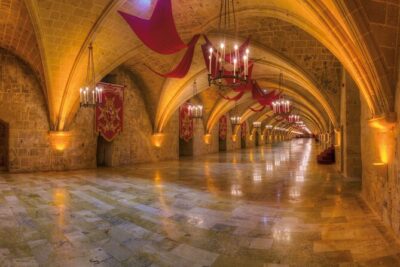
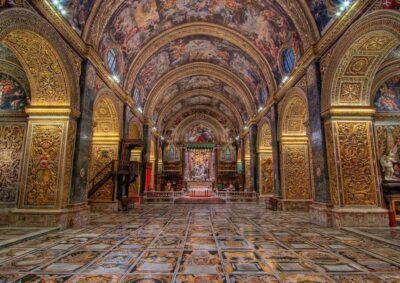
Finishing near St. John’s Co-Cathedral is a smart way to end. It’s the kind of landmark that instantly tells you Valletta has always been about more than defense—it’s also about belief, art, and status.
By the time you reach the end point, you’ve already been coached to think about layers: who built what, why certain styles show up, and how the city’s strategic importance fed its cultural ambitions. That makes the cathedral area feel like the natural endpoint of the story instead of a random “last stop.”
If you’re the type who likes to keep walking after a tour, this end point is convenient. You’ll likely feel ready to explore on your own immediately, instead of needing another orientation step.
Price and Group Size: Is $54.31 Worth It?
At $54.31 per person for about 2 hours, the value depends on what you want from Valletta right now.
This price makes more sense if you want:
- a tight historical orientation without planning
- a small group with up to 10 people
- food tastings and local eating/drinking recommendations woven into the route
- someone to connect the dots between alleys, architecture, and empires
It’s less ideal if you’re expecting a long, museum-style art deep dive or a big formal meal included as part of the price. The tour is built for movement and context, not for lingering.
Also, practical detail: you’ll have a mobile ticket and the tour is in English, which helps if you’re working around limited time in Malta.
What Kind of Traveler Should Book This
I think this tour fits best if you:
- are short on time and want your bearings fast
- like history that’s tied to what you can actually see while walking
- want a taste of Maltese food without turning the trip into a strict food schedule
- enjoy hearing how different eras overlap in one city
It may not be the best match if you:
- only want strict art history with minimal talk about other topics
- are looking for a guaranteed long list of food stops rather than tastings and recommendations
- dislike any discussion that mixes contemporary commentary with older historical material
If you’re unsure, you can still make it work for you by going in with the right goal: treat it as your Valletta “map in human form.”
Quick Advice Before You Meet Your Guide
Before the start, I’d do two simple things so you don’t waste time:
- double-check your exact start time and that Victoria Gate is the meeting point in your confirmation
- wear shoes for uneven stone and expect a steady walk
If you want to get the most value, ask your guide one question that matters to you—pastizzi, the Knights’ era, Caravaggio, or the British influence. Good tours move faster when you steer the conversation a bit.
Also, Mortour Guided Tours shares updates through @mortourguides on Instagram. It’s a handy way to get a feel for the tour style before you go.
Should You Book This Valletta Walk?
If you want a compact, well-structured way to understand why Valletta matters—through streets, art stories, and Mediterranean power shifts—this is a strong choice. The small group size and the history-to-architecture connection help the city click quickly, and the pastizzi and food tips give you something to take into your next meal.
I’d book it when you’re trying to make Valletta feel navigable on day one. If your main goal is a heavy food-only experience or a long, museum-focused art day, you may prefer a different format and come back to this as a useful orientation.
FAQ
FAQ
How long is the Valletta tour?
It lasts about 2 hours.
Where do I meet the guide and where does the tour end?
You start at Victoria Gate in Valletta and finish at St. John’s Co-Cathedral on Triq San Gwann.
Is the tour in English?
Yes, it’s offered in English.
What’s the group size?
The tour has a maximum of 10 travelers.
Is there a mobile ticket?
Yes, the tour uses a mobile ticket.
Is food included?
The tour includes Maltese gastronomy elements, including tasting pastizzi, plus guidance about where to eat and drink during your time in Valletta.
Does the tour run year-round and at what times?
It runs Monday through Sunday from 11:00 AM to 5:00 PM.
What if the weather is bad?
The experience requires good weather; if it’s canceled due to poor weather, you’ll be offered a different date or a full refund.
Are service animals allowed?
Yes, service animals are allowed.
If you want, tell me your travel dates and what you care about most (history, Caravaggio/art, or food), and I’ll suggest the best way to pair this with the rest of your Valletta day.
More Maltese History Tours




More Tour Reviews in Malta




More Valletta Walking Tours




Wondering what else is on? More Malta and Gozo trips from our own notebook




Valletta Walking Tours, compared.
 ★ 5.0The Original Valletta Walking TourFrom $262,719 reviews
 ★ 4.7Valletta: 3-Hour Walking TourFrom $251,605 reviews
 ★ 4.8Valletta: Guided City Walking TourFrom $241,256 reviews
 ★ 4.8Valletta: Street Food and Culture Walking TourFrom $651,251 reviews
 ★ 4.9Valletta: City Walking Tour in a Small GroupFrom $24957 reviews
 ★ 4.3From Sliema: Valletta and the Three Cities Scenic CruiseFrom $24763 reviews
 ★ 4.3Valletta: Guided Walking Tour with Optional Cathedral TourFrom $46758 reviews
 ★ 5.0The Valletta Street Food and Culture Walking TourFrom $66711 reviews
Browse the lists this tour appears in