
Reviewed · SLIEMA, ST JULIAN'S & THE COASTAL TOWNS
Mdina: St. Paul’s Cathedral and Mdina Museum Entrance Ticket
Two rooms, one ticket, big art payoffs. You’re walking through St. Paul’s Cathedral in Mdina for its colorful inlaid marble and frescoed ceiling, then into the Mdina Cathedral Museum where Albrecht Dürer prints and engravings take center stage.
What I like most is how the visit mixes worship-space beauty with museum-grade treasures, including silverware, rare coins, and striking Baroque-style illusion work.
One thing to plan for: the ticket needs to be presented at the Mdina Cathedral Museum reception desk first, so don’t start by going straight to the cathedral door.
In This Review
- Quick hits before you go
- St. Paul’s Cathedral and Mdina Cathedral Museum: what you get for $18
- Museum first: the ticket flow that keeps your time smooth
- St. Paul’s Cathedral in Mdina: frescoes, marble, and a place with a story
- Worship-space comfort: shawls and respect without hassle
- Mdina Cathedral Museum: silver, rare coins, and Albrecht Dürer prints
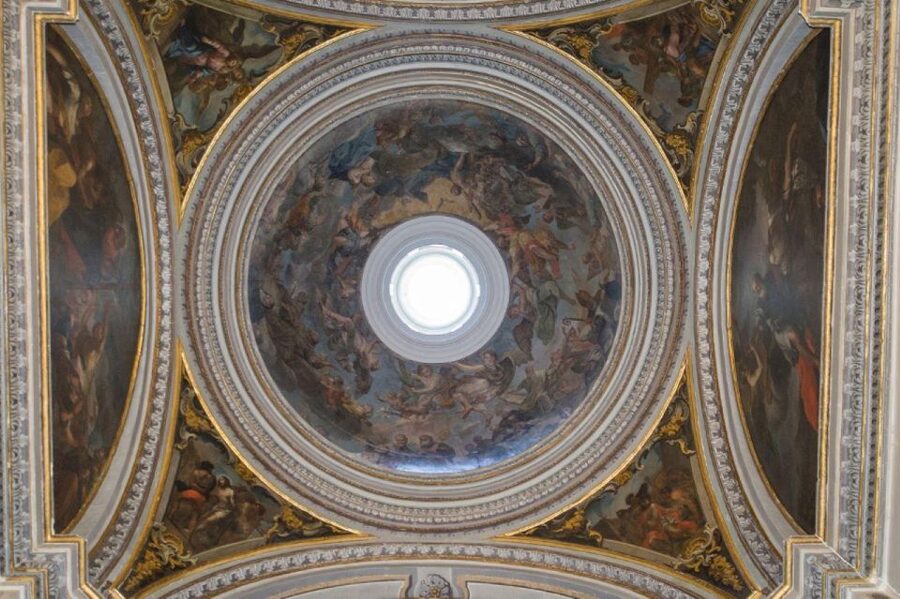
- Trompe-l’oeil Baroque dome and wax reliefs for visual fun
- The details that make this visit feel worth it
- Planning your Mdina day around these two stops
- Who this ticket is best for
- Should you book this Mdina cathedral ticket?
- FAQ
- Where do I present my ticket?
- Can I visit the cathedral and museum in any order?
- How long is the ticket valid?
- What is the price?
- What’s included for entry?
- Are there shawls or wraps provided for the cathedral?
- Does the experience offer noise-cancelling headphones?
- Is this visit wheelchair accessible?
- What languages are available?
- Is free cancellation available?
Quick hits before you go
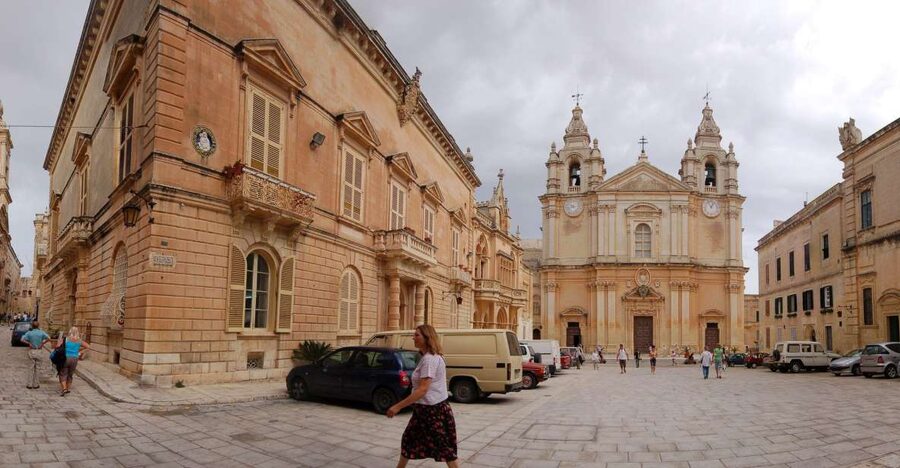
- St. Paul’s Cathedral built in 1702 with the story-linked connection to St. Paul and Publius
- Colorful inlaid marble floor plus a frescoed ceiling that you can’t stop looking at
- Mdina Cathedral Museum packed with fine silverware and rare coins
- A real Northern Renaissance moment: Albrecht Dürer prints and engravings
- Wax reliefs and a Trompe-l’oeil Baroque dome for fun, hands-on-looking visual effects
- Practical comfort add-ons like shawls/wraps and noise-cancelling headphones
More Mdina and Rabat tours we have wandered the silent city on
- Mdina and Rabat: Guided City Walking Tour
★ 4.8 · 549 reviews - Malta: Mdina and Rabat Tour with Local Guide
★ 5.0 · 408 reviews - Mdina and Rabat Walking Tour inc. Catacombs and St. Paul’s Grotto
★ 5.0 · 341 reviews - Mdina and Highlights of Malta Full Day Guided Tour Incl. Lunch and Transfers
★ 4.0 · 299 reviews
St. Paul’s Cathedral and Mdina Cathedral Museum: what you get for $18
For $18 per person, this is a smart value if you like art that’s close-up and hands-on in feeling. You’re not choosing between a cathedral visit and a museum visit. You get both with one ticket, letting you match the order to your energy that day.
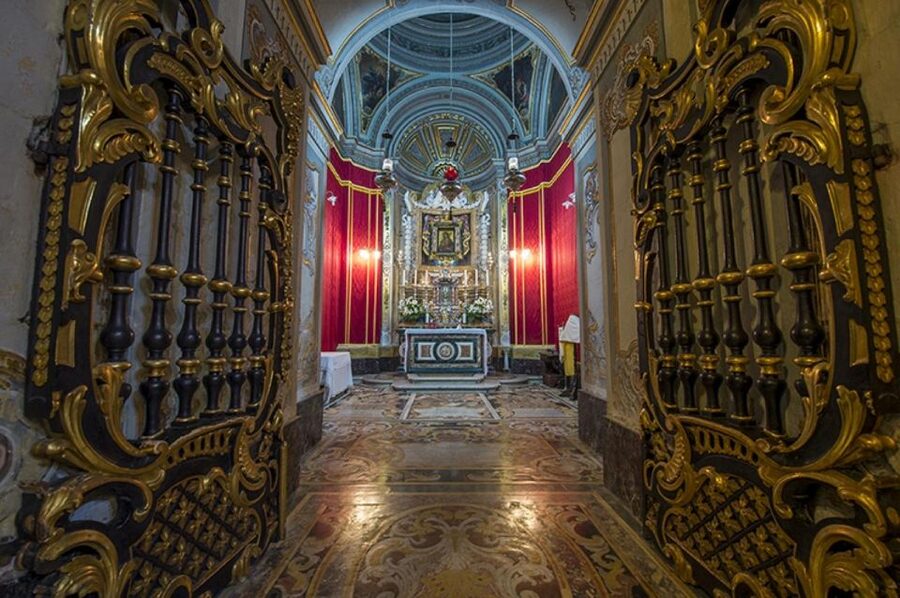
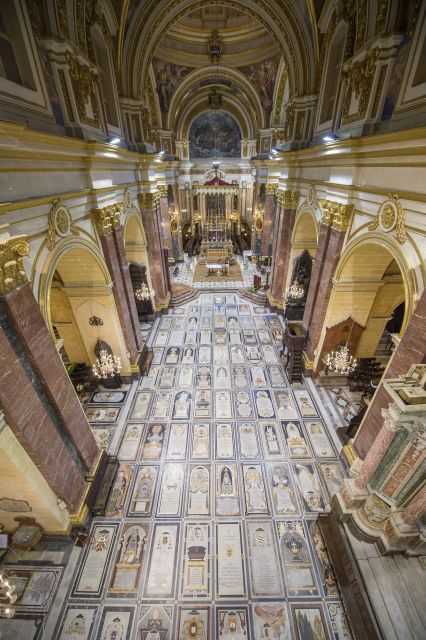
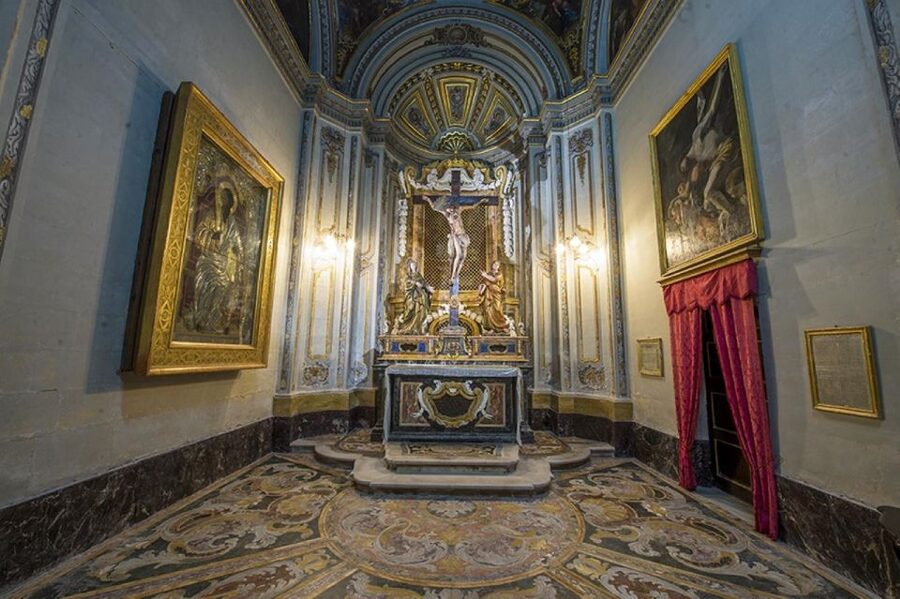
Inside St. Paul’s Cathedral, the highlights are the kind that make you slow down without even trying: a colorful inlaid marble floor, a frescoed ceiling, and lots of religious art details such as altarpieces, paintings, and stained glass windows. The cathedral also pulls in “museum-like” elements—marble work, intricate woodwork, silver artifacts, statues—so it feels like a curated space, not just a place to pass through.
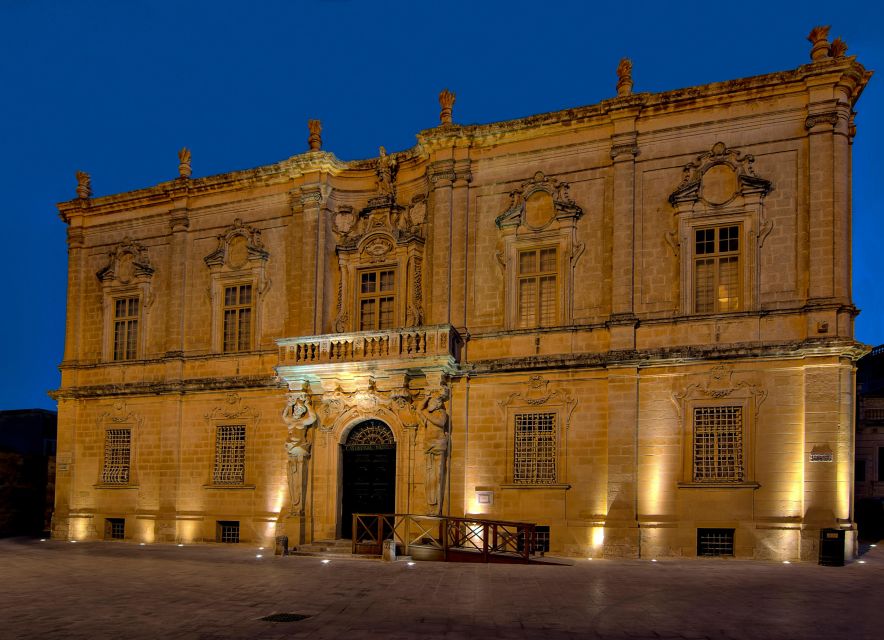
Then the adjacent Mdina Cathedral Museum turns the volume up again, with objects that range from everyday luxury (fine silverware) to collectible history (rare coins) to major art (an important collection of prints and engravings by Albrecht Dürer). You’re seeing how the cathedral’s world connects to craftsmanship and collecting, not just architecture.
Museum first: the ticket flow that keeps your time smooth
The biggest practical point is also the easiest to miss: you present your ticket at the Mdina Cathedral Museum reception desk first. After that, you can visit St. Paul’s Cathedral and the Mdina Cathedral Museum in any order.
I recommend using this as your default plan. Start at the museum reception, get your entry handled, then walk to the cathedral with your mind already settled. It saves you the small stress of figuring out where to check in while you’re already standing in Mdina’s stone streets.
Also note this visit is self-paced. The idea is that you have access to the spaces and the artworks at your own pace, with an English host/greeter on hand. So if you prefer guided storytelling at every turn, you may want to pair this ticket with your own reading or an audio approach elsewhere in Mdina.
St. Paul’s Cathedral in Mdina: frescoes, marble, and a place with a story
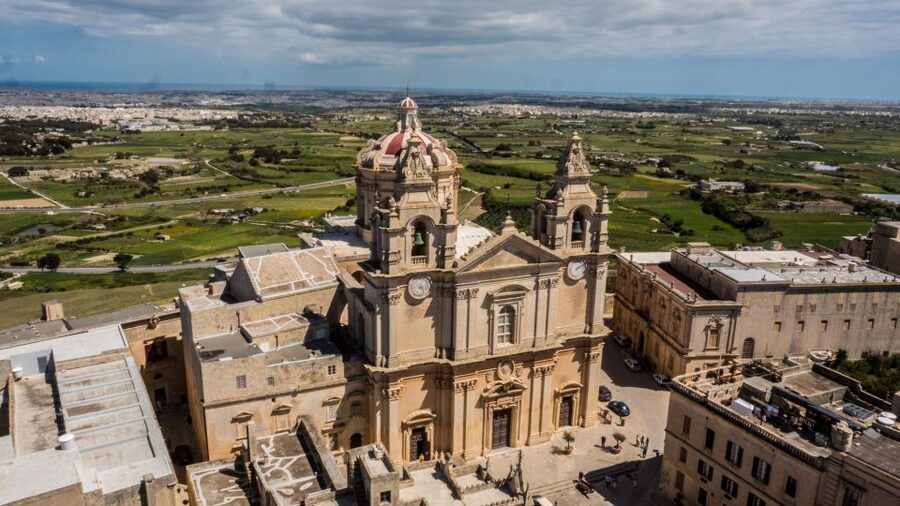
St. Paul’s Cathedral in Mdina is built in 1702, and it’s tied to a tradition where governor Publius lived there when he was appointed as the first Bishop of Malta by St. Paul, who—according to the story—was shipwrecked on the island. You don’t have to be a history buff to appreciate why this matters: the building feels connected to a bigger narrative, not just its current appearance.
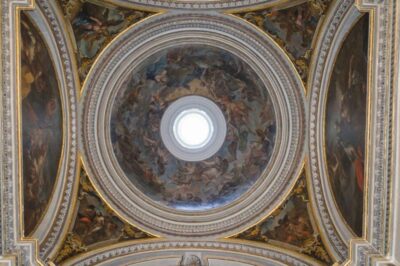
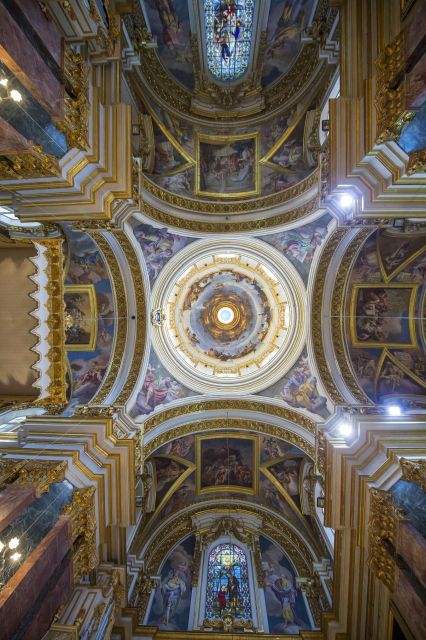
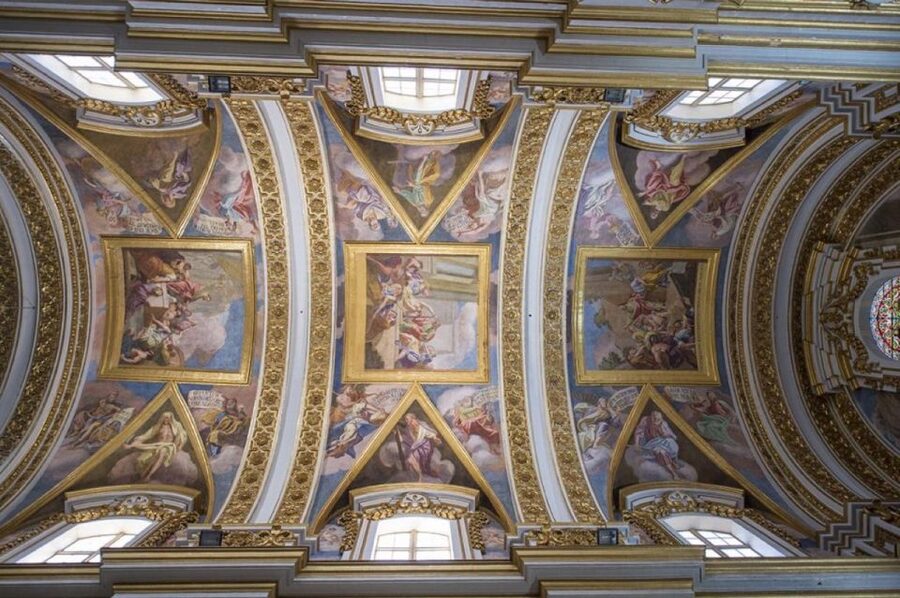
Once inside, the interior style is what will grab you first. You’ll be looking up and down at the same time. The frescoed ceiling brings movement to the space, while the colorful inlaid marble floor makes the ground feel like part of the artwork. That combo changes how you walk. You’ll naturally slow your pace so you don’t miss patterns and details.
The cathedral also features religious art elements you’ll likely recognize at a glance—altarpieces, paintings, and stained glass windows—but the charm here is in the variety. The information on-site points you toward marble work, intricate woodwork, silver artifacts, and statues. In other words, the cathedral is doing what many top European churches do best: it’s letting you experience faith through craft.
Worship-space comfort: shawls and respect without hassle
If you’re concerned about dress code for a worship site, don’t overthink it. Shawls and wraps are provided for cathedral entrance, so you can cover up without hunting down a garment you might not have packed.
Mdina Cathedral Museum: silver, rare coins, and Albrecht Dürer prints
If St. Paul’s Cathedral is about visual impact in a sacred setting, the Mdina Cathedral Museum is where you get to zoom in. This is where the collection turns more “museum-like,” and it’s a great pairing after the cathedral because your eyes learn the style and then start noticing finer contrasts.
The museum includes fine silverware and rare coins, which is a fun switch from paintings and stained glass. Metal objects have their own kind of glow, and they also show the practical side of collecting and worship—who had what, who valued what, and how craftsmanship ended up protected in a cathedral context.
Then you’ll see a major art focus: an important collection of prints and engravings by Albrecht Dürer. Dürer is highlighted here as one of the greatest artists of the Northern Renaissance, and that’s the key idea. These works are not just decorative prints. They’re a record of technical skill and artistic thinking in a style that shaped European art far beyond its own borders.
If you’re the type who enjoys paper art—engravings, prints, repeating motifs—this part can easily become your favorite stop of the whole visit. It’s also a nice break if you’ve just spent time wandering Mdina’s streets and want something indoors that rewards close attention.
Trompe-l’oeil Baroque dome and wax reliefs for visual fun
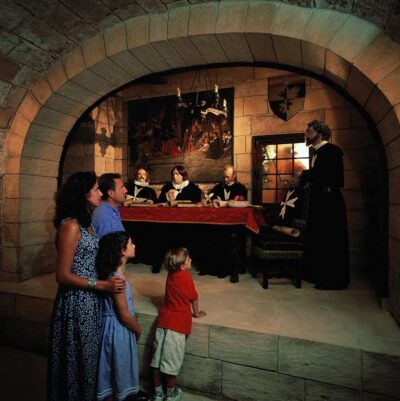
The museum doesn’t only rely on “classic museum display.” You’ll also find wax reliefs and a Trompe-l’oeil Baroque dome. The name tells you what to expect: an optical-illusion approach that makes you question what’s real versus what’s designed to look real.
This is one of those sections that works even if you’re not a specialist. You can stand there, look at the geometry and effect, and let your brain do the work. It’s also a nice change of pace from flat paintings and framed prints.
The details that make this visit feel worth it
This ticket is popular for a reason, and it’s not just because the site is famous. What makes the experience feel high-value is the way the collection and the cathedral reinforce each other.
Here are a few details I’d make a point of spotting:
- Cathedral floor + ceiling together: Don’t treat them as separate sights. The inlaid marble and frescoed ceiling push your attention upward and downward, so the room feels larger and more alive.
- Altarpieces, stained glass, and paintings: If you only catch one, the visit can feel like background. Aim to pick one focal area and study it for a minute longer than you think you need.
- Silver artifacts and woodwork: These are easy to miss if you rush. Take a slow scan for metallic shine and carved patterns.
- Dürer prints and engravings: These rewards are in technique. If you like Northern Renaissance art, this is the section that turns the cathedral experience into something uniquely memorable.
- Coins and silverware: They connect art to real objects people owned and valued, which makes the museum feel grounded instead of purely decorative.
- Wax reliefs and Trompe-l’oeil dome: When a museum includes illusion work, it gives you permission to enjoy it with your eyes first, and then read what you’re seeing after.
One extra comfort note: the ticket includes noise-cancelling headphones and other facilities for those with autism and similar special needs. Even if you don’t need them, it’s a sign this visit is set up to be more considerate than many ticket-only attractions.
Planning your Mdina day around these two stops
This is a one-day ticket with access to both the cathedral and the museum, and you can do them in any order. That flexibility matters in Mdina, because your best route depends on where you start—plus Mdina streets can be slow-going if you’re taking photos and stopping for views.
I’d plan this like this:
1) Handle ticket presentation at the Mdina Cathedral Museum reception desk.
2) Visit the cathedral next (or after), then circle back if you want to linger longer in the museum’s print or object displays.
If you’re trying to fit this into a busy sightseeing day, keep your expectations realistic. This isn’t a quick “hit and run” attraction, because both the cathedral and museum are detail-oriented. Go in with the mindset that you’re here to look, not just to tick a box.
Who this ticket is best for
This is a great fit if you want a concentrated art and object visit in one compact area of Mdina. It’s especially strong for:
- People who love church interiors with serious craftsmanship
- Anyone drawn to print and engraving art, particularly Albrecht Dürer
- Travelers who enjoy museums that mix fine objects (silverware, coins) with interpretive displays (wax reliefs, Trompe-l’oeil dome)
- Families or visitors who appreciate practical comforts like shawls/wraps and noise-cancelling headphones
If you’re chasing a long, narrative guided tour with someone explaining every detail, this may feel more like a self-paced entry than a full lecture. The good news: the cathedral and museum themselves do plenty of the talking once you start looking at the floor, ceilings, and collections.
Should you book this Mdina cathedral ticket?
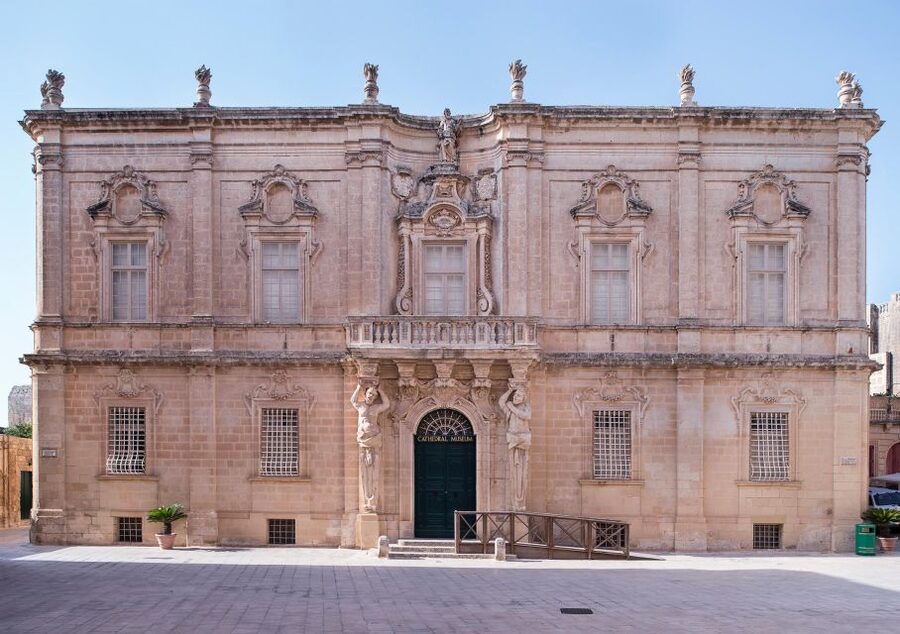
Book it if you want maximum payoff from a single stop in Mdina. For $18, you’re getting both St. Paul’s Cathedral and the Mdina Cathedral Museum, with clear artistic highlights like the inlaid marble floor, frescoed ceiling, and the museum’s Dürer prints and engravings—plus silverware, rare coins, and visual effects like the Trompe-l’oeil Baroque dome.
Skip or rethink it only if you know you won’t spend time looking at interiors, religious art details, and object-based displays. This experience works because you slow down.
If you like your sightseeing a little quieter and more craft-focused, this ticket is a very solid choice.
FAQ
Where do I present my ticket?
Present your ticket at the Mdina Cathedral Museum reception desk.
Can I visit the cathedral and museum in any order?
Yes. You can visit St. Paul’s Cathedral and the Mdina Cathedral Museum in any order.
How long is the ticket valid?
It’s valid for 1 day.
What is the price?
The price listed is $18 per person.
What’s included for entry?
You get entrance to St. Paul’s Cathedral and entrance to the Mdina Cathedral Museum.
Are there shawls or wraps provided for the cathedral?
Yes. Shawls and wraps are provided for cathedral entrance.
Does the experience offer noise-cancelling headphones?
Yes. Noise-cancelling headphones and other facilities for those with autism and similar special needs are included.
Is this visit wheelchair accessible?
Yes. It’s listed as wheelchair accessible.
What languages are available?
The host/greeter is listed as English.
Is free cancellation available?
Yes. You can cancel up to 24 hours in advance for a full refund.
More Tour Reviews in Mdina

More Along the Sliema & St Julian's Coast
More Mdina & Rabat Tours
Wondering what else is on? More Malta and Gozo trips from our own notebook



Sliema, St Julian's & the Coastal Towns, compared.
 ★ 4.5From Sliema: Comino, Crystal Lagoon, and Blue Lagoon CruiseFrom $403,792 reviews
 ★ 4.5From Sliema: Gozo, Comino and Blue Lagoon CruiseFrom $413,461 reviews
 ★ 4.4St Paul’s Bay: Malta National Aquarium Entry TicketFrom $202,532 reviews
 ★ 4.5From Sliema: Cruise Around Malta’s Harbours & CreeksFrom $242,292 reviews
 ★ 4.8Sliema: Boat Trip to Comino Blue Lagoon, Gozo, and CavesFrom $472,061 reviews
 ★ 4.4From Sliema: Gozo, Comino & The Blue Lagoon Boat & Bus TourFrom $511,931 reviews
 ★ 4.5St Paul’s Bay: Comino, Blue Lagoon, Gozo, & Caves Boat TourFrom $34979 reviews
 ★ 4.7Paceville Pub Crawl with Drinks and GamesFrom $14910 reviews
Browse the lists this tour appears in