
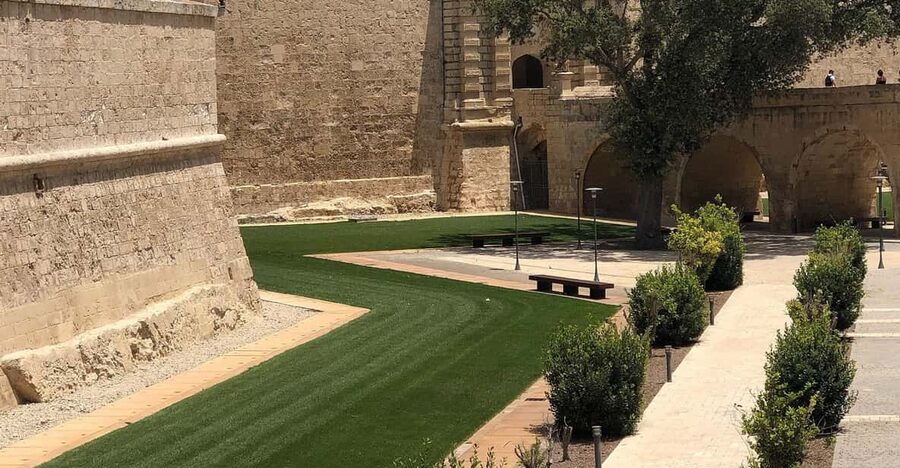
Reviewed · MDINA & RABAT TOURS
Malta: Mdina and Rabat Walking Tour with Catacombs
Medieval Malta meets wartime tunnels. This tour strings Mdina’s story to what people survived in Rabat’s underground spaces. I love the way guides like Mario and Carmel connect the streets, palazzos, and churches to how Malta really changed over time. I also love the fact that you go beyond photos and actually enter the catacombs plus the WWII shelters.
One thing to consider: it is a walking tour with standing and enclosed stops underground, so plan for comfortable shoes and expect it to feel more active than a sit-down museum visit.
In This Review
- Key things to know before you go
- Mdina Gate to narrow streets: how this tour helps Mdina click
- Palazzo Falzon, Greeks Gate, and the Mdina stops that matter
- Bastion wall panoramas: the reason Mdina was built this way
- Rabat walk-in: switching from fortress city to layered suburbs
- WWII shelters and catacombs: history underground, with real practical notes
- St Paul’s Grotto: finishing the underground theme without ending the story
- Price and value: $29 that actually includes major entries
- What the timing really feels like (and how to prepare)
- Who should book this Mdina and Rabat catacombs tour?
- Should you book this tour?
- FAQ
- How long is the Mdina and Rabat walking tour with catacombs?
- Where do I meet the guide?
- What’s included in the price?
- Are food and drinks included?
- Is hotel pickup or drop-off included?
- What language is the tour guide?
- Is the tour wheelchair accessible?
- What should I bring?
- What kind of experience should I expect underground?
- Is there any guidance on cancellations?
Key things to know before you go
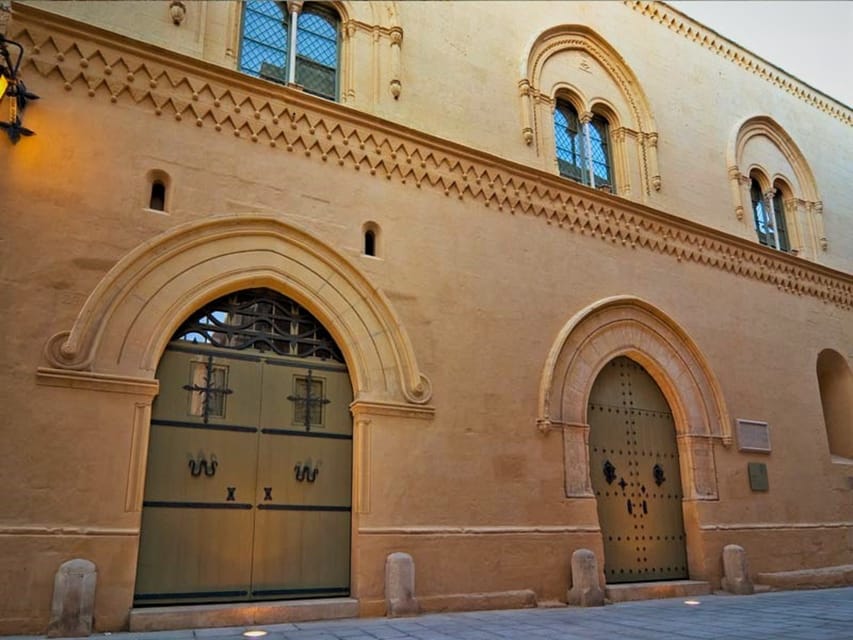
- Mdina Gate start: you meet outside Mdina Gate, next to the playing field, then work your way through the old city’s key sights.
- Palazzos and street-level history: expect stops around Palazzo Falzon and Greeks Gate, plus the Mdina Cathedral area.
- Bastion wall panoramas: you get skyline views that help you understand why Mdina was built where it was.
- Rabat’s underground chapter: Wignacourt museum leads into the WWII shelters and catacombs.
- St Paul’s Grotto included: you visit it as part of the main entry ticket for the subterranean stops.
More Mdina and Rabat tours we have wandered the silent city on
- Mdina and Rabat: Guided City Walking Tour
★ 4.8 · 549 reviews - Malta: Mdina and Rabat Tour with Local Guide
★ 5.0 · 408 reviews - Mdina and Rabat Walking Tour inc. Catacombs and St. Paul’s Grotto
★ 5.0 · 341 reviews - Mdina and Highlights of Malta Full Day Guided Tour Incl. Lunch and Transfers
★ 4.0 · 299 reviews
Mdina Gate to narrow streets: how this tour helps Mdina click
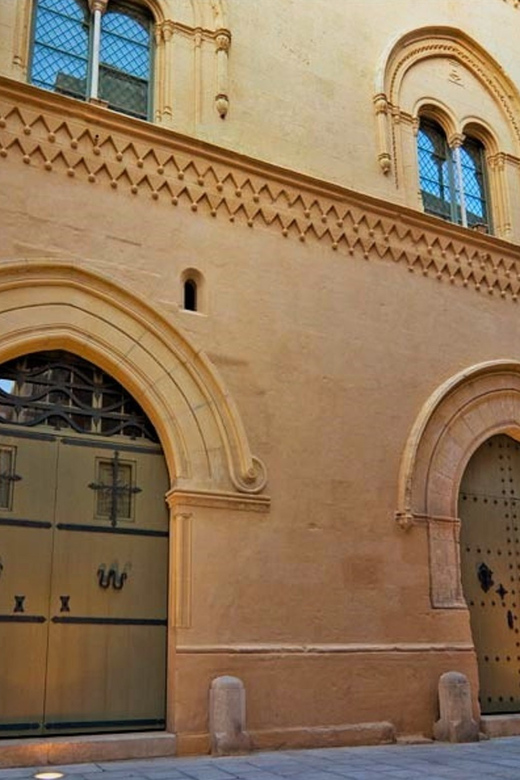
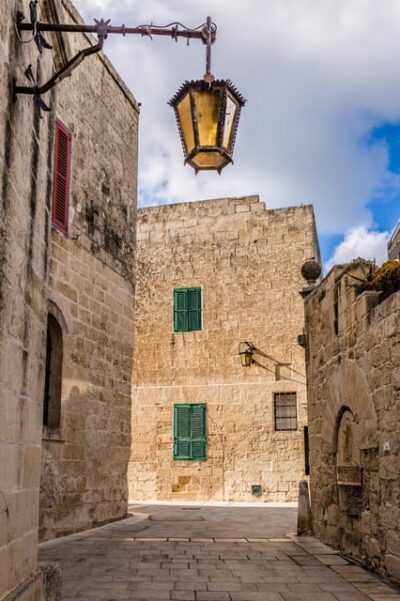
Mdina can look calm and even a bit quiet from the outside. The magic is what the guide adds while you walk—names, rulers, rebuilds, and why the city’s layout still feels medieval. Mdina sits on a plateau in the center of the island, and once you start moving through its narrow lanes, you start seeing the city the way it was designed: defensible, walkable, and visually commanding.
The tour focuses on the parts of Mdina that make the city feel lived-in instead of just postcard-perfect. You’ll stroll past some of the most famous architecture and landmarks, including palazzo-style buildings and church fronts, before the group shifts toward views from the bastion walls. That combination matters. Without the context, Mdina can feel like a pretty set. With it, you understand why it mattered—religiously, politically, and strategically.
It’s also a good choice if you’re new to Malta. Several guides in this series (including Matthew and Dylan, according to past groups) seem to tailor their explanations to help first-timers connect dots fast—like how Arab rule influenced the city’s modern name and layout before later powers reshaped Malta’s political center. Even if you’ve visited before, this kind of guided story often changes how you interpret the same walls you think you already know.
Palazzo Falzon, Greeks Gate, and the Mdina stops that matter
This is not the kind of tour that stops once, takes a few pictures, and moves on. You get a sequence of sights that form a tour path through Mdina’s most recognizable identity.
Here are the headline Mdina elements you’ll cover:
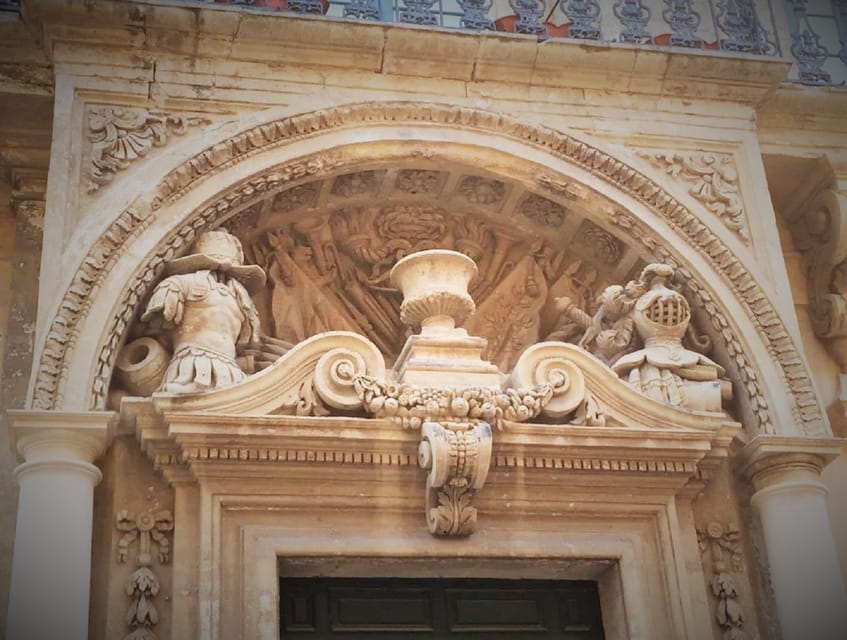
- Palazzo Falzon: one of those famous names you’ll keep seeing referenced in travel write-ups, but here you’ll hear why it is part of Mdina’s story of wealth and power.
- Greeks Gate: a key entrance you’ll want to understand in context, not just as a landmark you walked by.
- Vilhena Palace: big, dramatic, and tied to the baroque feel that rises above Mdina’s older street grid.
- St. Agatha’s Chapel: a smaller stop that still adds texture—religious history shows up differently at scale.
- Banca Giuratale: another architectural clue that helps explain how the city functioned beyond being a fortress.
And then there’s the centerpiece moment:
- Mdina Cathedral: you’ll see it as the skyline anchor it is, surrounded by streets that still follow a plan shaped long ago.
What I like about this approach is pacing through variety. You’re not only looking at one kind of building. You’re moving between civic spaces, religious sites, and the kind of grand palazzo architecture that makes Mdina feel like a noble city—its old medieval name, Città Notabile, fits what you’ll see.
Possible drawback: because the city is compact and the focus is on highlights, you’ll spend time walking and standing close together. If you like lots of free roaming on your own, you’ll want to plan extra hours after the tour.
Bastion wall panoramas: the reason Mdina was built this way
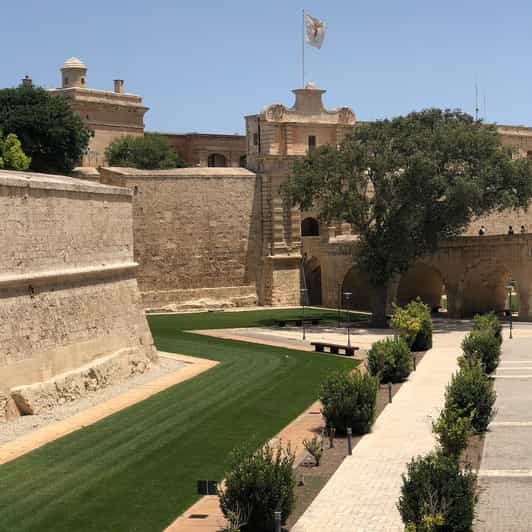
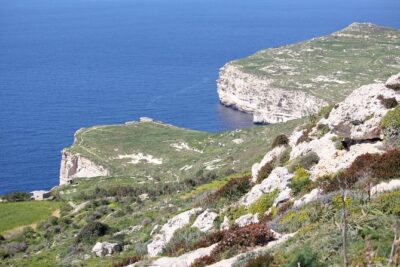
One of the most practical parts of the tour is the stop for the views from the bastion walls. This is where the city’s plateau location stops being trivia and becomes a real visual explanation.
From up high, Mdina’s defensive logic is easier to grasp. You can see how the elevated position gives control and distance. It also helps you understand why later changes didn’t wipe out the older feel. Even when political importance shifted—Valletta rising in prominence, for example—Mdina kept its character, helped along by major events like the 1693 earthquake and the reconstruction that followed.
In reviews, people repeatedly talk about guides who keep the group moving without rushing the story. That balance matters here. If you rush the viewpoints, the panorama becomes just a photo spot. If you slow down just enough, the sights become an explanation you can carry with you as you continue.

Rabat walk-in: switching from fortress city to layered suburbs
After Mdina, the tour shifts to Rabat, which is where the story gets more human-scale and less about skyline dominance. Think of it as the next chapter: same Malta, different rhythm.
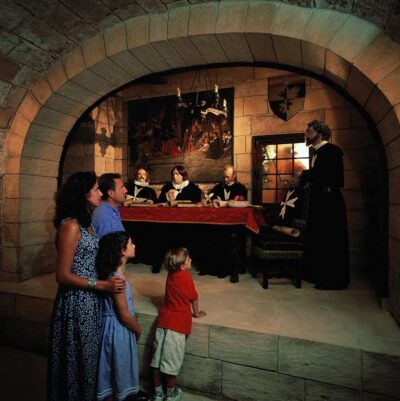
The tour route includes Wignacourt museum in Rabat. Even when you’re not a museum person, this sort of stop helps orient you. It can be the bridge between what you just saw above ground in Mdina and what you’ll experience underground later.
Rabat is also where the tour starts leaning into the topic people often come for: the subterranean sites. This sequencing is smart. If you go underground too early, Mdina’s context can fade. Here, you walk through the surface story first, then go below ground with a better sense of what you’re looking at.
WWII shelters and catacombs: history underground, with real practical notes
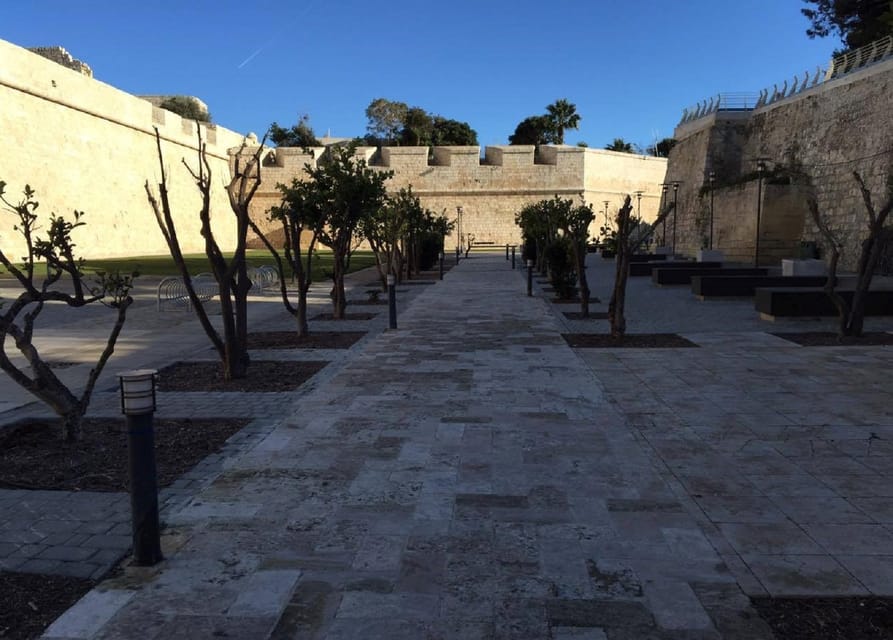
Now for the part that turns this tour from a city walk into something memorable: WWII shelters plus the catacombs.
WWII shelters give you the Malta story through pressure and protection. Catacombs bring in earlier layers of belief, burial traditions, and underground survival logic. Together, they help you see how the same island has been shaped again and again—by faith, by conflict, and by the need to adapt.
A big practical plus: the guide prepares you. Several past guests noted that the catacombs are not presented as jump-scare spooky. One guest even said they were not claustrophobic or creepy. But another guest flagged that the time spent underground can feel airless and that those with claustrophobia should take that seriously.
So here’s my straight advice:
- If you know you get uncomfortable in tight or enclosed spaces, plan for that before you descend.
- If you’re okay with enclosed spaces, the catacombs can feel fascinating rather than frightening because the guide explains what you’re seeing and why.
Also, you’re going to be off-street in cool, enclosed areas. That’s great on hot days. On the flip side, shoes and steady footing matter. Keep it simple: comfortable footwear, no fancy soles, and take your time.
St Paul’s Grotto: finishing the underground theme without ending the story

The tour includes St Paul’s Grotto as part of the entrance package for the subterranean stops. It works as a quieter, more spiritual note after WWII-era shelters and the deeper catacomb passages.
Why it’s a good finish: it gives you a change in tone. You move from survival and burial history into a place associated with religious tradition. Even if you don’t know the background, you’ll usually leave with a clearer sense of why Maltese religious landmarks carry extra weight here.
One more detail that helps: guides often weave in local culture and small pop-culture connections. A past group mentioned Game of Thrones facts added to the story, which sounds random until you realize it can help people remember the bigger historical and architectural context later.
Price and value: $29 that actually includes major entries
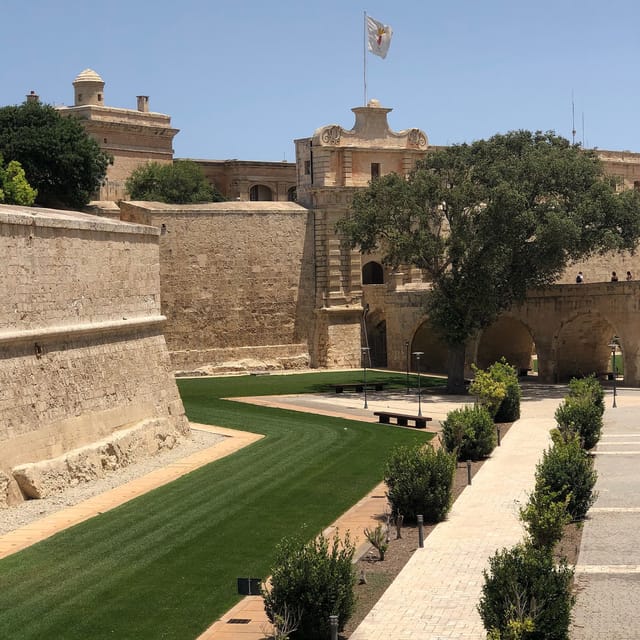
At $29 per person for about 2.5 hours, this tour aims at a clear value formula: you pay for a guide plus the key entrance fees.
Included:
- Professional licensed guide
- Entrance fees to catacombs, WWII Shelters, and St Paul’s Grotto
Not included:
- Food and drinks
- Hotel pickup/drop-off
Here’s how that plays in real life. If you try to do Mdina + Rabat + underground sites on your own, you’ll pay separately for entries and spend extra time figuring out routes. This tour bundles the main sights into a tight walking circuit. So the money is less about paying for the walking—and more about paying for someone to connect the buildings and tunnels into a coherent Malta story while you’re there.
One more value angle: reviews often praise guides for maintaining pace. In a short duration, that’s what keeps the tour from turning into a boring checklist. When the guide handles the timing well, you feel like you got context, not just entry stamps.
What the timing really feels like (and how to prepare)
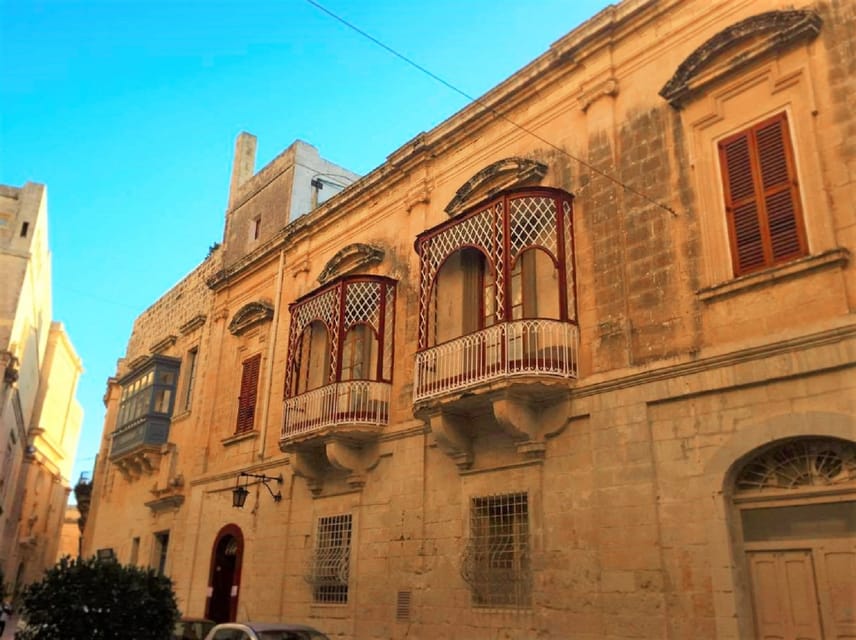
The stated duration is 2.5 hours, but expect it to feel closer to about 3 hours depending on how the group moves and the amount of time spent underground. That’s not a flaw. It’s just the reality of Mdina’s walking plus Rabat’s museum and enclosed sites.
Plan your day with two practical things:
- You’ll be on your feet a lot, including standing while the guide talks.
- Underground portions can slow things down because you’re moving through tight spaces and waiting for the group to descend together.
What to bring is straightforward and worth following:
- Comfortable shoes
- Sun hat, sunscreen
- Water and comfortable clothes
- Food, since nothing is included
If the weather turns, Malta happens. One review mentioned rain and how the guide helped keep the group under cover for wetter stretches. So pack a light poncho if rain is in the forecast, and don’t rely on the sky cooperating.
Also, timing matters. One guest advised doing the earlier departure because the area can feel deserted at night. If you want lively atmosphere while walking, aim earlier in the day when possible.
Who should book this Mdina and Rabat catacombs tour?
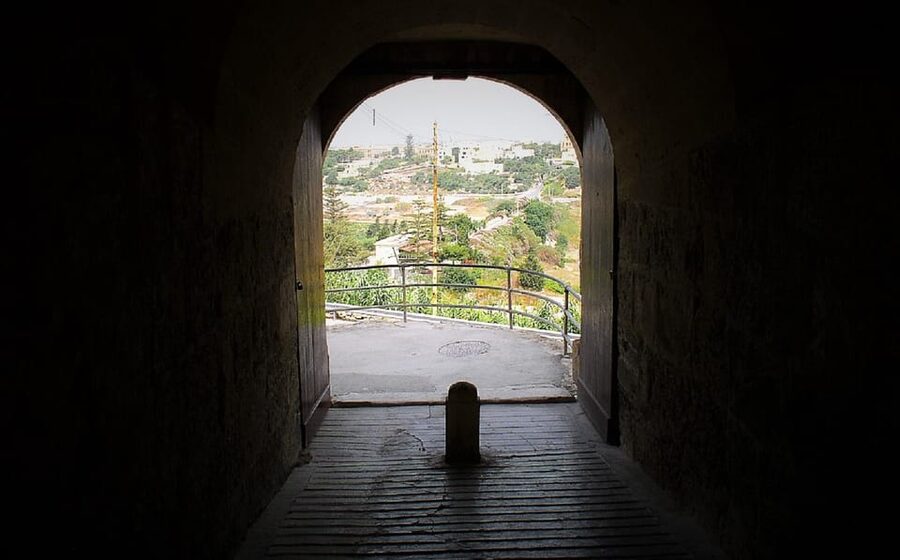
This tour is a great fit if you want:
- A guided, highlight-focused walk through Mdina with major named landmarks
- A meaningful shift to Rabat with museum context
- The big three underground stops: WWII Shelters, catacombs, and St Paul’s Grotto
- A guide who answers questions and keeps the group moving at a human pace
It’s likely not the best choice if:
- You have mobility constraints. The tour data says it is not suitable for people with mobility impairments, and it also states it is not suitable for wheelchair users.
- You’re traveling with very young kids who struggle with longer attention spans while walking and standing.
Should you book this tour?
Yes—if you want Malta history that connects street scenes to real-world survival underground, this tour is a strong pick. Mdina Cathedral, Palazzo Falzon, Greeks Gate, and the bastion views give you the above-ground story. Then Rabat brings it all down to earth with WWII shelters, catacombs, and St Paul’s Grotto, and you don’t have to plan entrances or logistics.
I’d book it with one clear caveat: if enclosed spaces make you uncomfortable, take extra care with the catacombs part and choose your comfort level honestly. Otherwise, for the price, it’s hard to beat a guide-led route that includes major paid entries plus the story behind them.
FAQ
How long is the Mdina and Rabat walking tour with catacombs?
The tour duration is listed as 2.5 hours.
Where do I meet the guide?
Meet your guide outside Mdina Gate, next to the playing field.
What’s included in the price?
You get a professional licensed guide, plus entrance fees for the catacombs, WWII Shelters, and St Paul’s Grotto.
Are food and drinks included?
No. Food and drinks are not included.
Is hotel pickup or drop-off included?
No. Hotel pickup and drop-off are not included.
What language is the tour guide?
The live guide is listed as English.
Is the tour wheelchair accessible?
The activity details say wheelchair accessible, but it also lists it as not suitable for wheelchair users. If you need wheelchair access, it’s best to contact the provider to confirm.
What should I bring?
Bring comfortable shoes, a sun hat, sunscreen, water, and comfortable clothes. The tour also suggests bringing food.
What kind of experience should I expect underground?
You’ll enter the catacombs, plus visit St Paul’s Grotto and WWII Shelters, with entrance tickets included.
Is there any guidance on cancellations?
Free cancellation is listed up to 24 hours in advance for a full refund.
More Tour Reviews in Mdina



More Megalithic Temples & Ancient Malta
More Mdina & Rabat Tours
Wondering what else is on? More Malta and Gozo trips from our own notebook






Mdina & Rabat Tours, compared.
 ★ 4.4Highlights of Malta & Mdina Full Day Tour with LunchFrom $792,688 reviews
 ★ 4.3Mdina, Dingli Cliffs and San Anton Botanical GardensFrom $41991 reviews
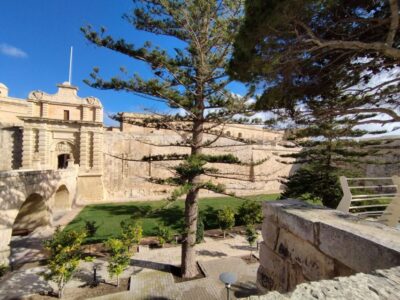 ★ 4.8Mdina and Rabat: Guided City Walking TourFrom $24549 reviews
 ★ 5.0Mdina and Rabat Insider’s TourFrom $24528 reviews
 ★ 4.1Valletta: Vintage Bus to Valletta, Sliema, Rabat & MdinaFrom $9433 reviews
 ★ 5.0Mdina and Rabat Tour with Local GuideFrom $24408 reviews
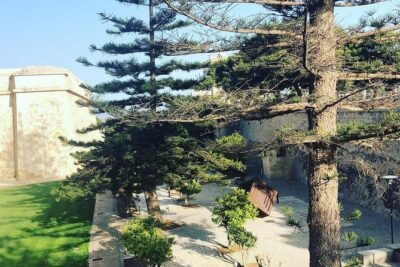 ★ 5.0Mdina and Rabat Walking Tour inc. Catacombs and St. Paul’s GrottoFrom $30341 reviews
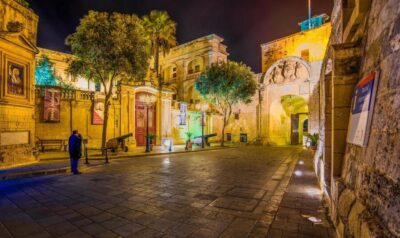 ★ 4.3Mdina: Valletta Waterfront Area, Mdina, and Rabat Night TourFrom $41302 reviews
Browse the lists this tour appears in