

Reviewed · MDINA & RABAT TOURS
Mdina and Rabat Insider’s Tour
Mdina and Rabat in one afternoon is magic. This small-group walk gives you two historic-city moods, guided by a Rabat resident who knows where the stories live, not just what’s on postcards. I love two things most: the chance to roam Mdina’s narrow lanes in a calm, slow way, and the insider context from guide Chris, who connects architecture to daily life. The one possible drawback: the Rabat portion is shorter than Mdina, so if you want maximum time in Mdina, you may wish you had more.
This tour runs about 2 hours 30 minutes, starting at 3:00 pm from Mdina Gate. It costs $24.19 per person, which is a solid deal for a licensed local guide and a structured walking route. Just keep in mind it’s weather-dependent, and you’ll want a moderate fitness level for cobblestones and uphill bits.
If you’re the type who likes a plan but still wants time to look, rest, and take photos, this fits well. And yes, the Silent City part can feel almost theatrical at golden hour, especially if your visit lines up with clear skies.
In This Review
- Key things to know before you go
- Why Mdina and Rabat feel like two different movies
- Mdina Gate start: how to make the first 10 minutes count
- Stop 1: Mdina Old City streets, palaces, and the Silent City mood
- Stop 2: Rabat churches and convents with a local, lived-in lens
- The guide factor: Chris brings history to street level
- Price and value: what $24.19 buys you (and what it doesn’t)
- Timing and comfort: 3:00 pm, crowds, and the “golden stones” effect
- Where to eat after: use the guide’s local recommendations
- Who this tour is best for
- Should you book the Mdina and Rabat insider walk?
- FAQ
- How long is the Mdina and Rabat Insider’s Tour?
- Where does the tour start and end?
- How many people are in the group?
- What language is the tour offered in?
- Does the tour include entrance fees for churches or museums?
- Is the tour mostly walking?
- Is a mobile ticket used?
- What about weather—will it run in rain?
- Can I bring a service animal?
- What are the main cancellation terms?
Key things to know before you go
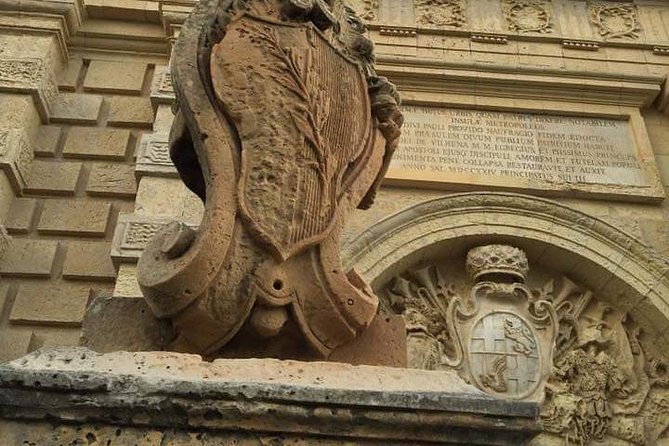
- Small group size: up to 10 people, so the walk stays conversational and you’re not shouting over a crowd.
- Local Rabat guide: you get a lived-in perspective, not just dates and facts.
- Mdina first, Rabat second: you start in the Silent City and then step into Rabat’s busier, everyday rhythm.
- Walking-focused: plan for good shoes and a steady pace more than museum-style time.
- Church and museum fees may apply: some interiors can cost extra, depending on what’s open.
More Mdina and Rabat tours we have wandered the silent city on
- Mdina and Rabat Insider’s Tour
★ 5.0 · 528 reviews - Valletta: Vintage Bus to Valletta, Sliema, Rabat & Mdina
★ 4.1 · 433 reviews - Half-Day Tour of Mosta, Ta’Qali Crafts Village & Mdina
★ 4.1 · 110 reviews - Mysteries of Mdina:Semi private Tour of the Ancient city
★ 4.5 · 32 reviews
Why Mdina and Rabat feel like two different movies

Mdina and Rabat are close, but they don’t feel the same. Mdina is all about scale and stillness: narrow streets, quiet corners, and that “how can a place like this exist” feeling. Rabat reads more like a working neighborhood tied to centuries of change—churches, convents, and the sense that people still belong to these streets.
That contrast is exactly why this pairing works. You’re not just checking off landmarks; you’re shifting from the Silent City mood into the fuller life of Rabat. The route also makes it easier to understand how these places functioned together over time, instead of treating them like separate sightseeing stops.
Mdina Gate start: how to make the first 10 minutes count
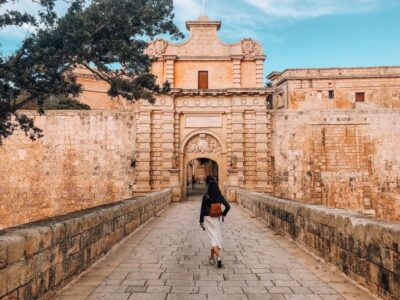
You meet at Mdina Gate (VCM3+V9W, Mdina). The good news: you’re dropped right at the threshold of where the whole experience begins. From there, you’re walking immediately, not wasting time with long transfers.
Because the tour is weather-dependent, bring whatever keeps you comfortable for late afternoon in Malta: sunscreen, water, and a light layer if the evening cools off. The walk is listed for moderate physical fitness, so wear shoes that handle uneven stone.
Also, this tour is offered in English with a mobile ticket. That matters because Mdina can feel like a maze, and it’s easier to get started quickly when you’re not dealing with printouts or complicated ticket exchanges.
Stop 1: Mdina Old City streets, palaces, and the Silent City mood

Mdina Old City gets about an hour. That’s enough time to get your bearings without feeling rushed. The core experience is walking those narrow, winding lanes and spotting the major palaces, churches, and monuments that shape the town’s look.
What makes Mdina special here is the way the guide frames details. You don’t just pass buildings; you get context for why they look the way they do and what kinds of people used them. In particular, the tour’s focus on administrative buildings and private residences helps you see Mdina as a real place with real power—then and now.
I also like that Mdina is where the quieter atmosphere really lands. One of the best moments during this kind of walk is simply listening to the city as it’s lived in: footsteps on stone, small bursts of sound, and the overall stillness that makes Mdina feel like a storybook with echoes.
Watch-out for your priorities: if you only care about Mdina, the tour still includes Rabat, so plan to treat Mdina as the main course, not a side dish.




Stop 2: Rabat churches and convents with a local, lived-in lens
Rabat gets about another hour. It’s the “bigger city in the area” side of the story, and it’s where the tour shifts from monumental stillness to everyday continuity.
You’ll walk through Rabat’s streets and pass and sometimes enter some of the beautiful churches and convents. Here, the value is not only what you see, but the connections the guide makes between the architecture and local practice. Rabat can feel easier to picture as a community rather than a backdrop for history.
One nice detail from the experience description: the guide is a Rabat resident who shares hidden treasures and personal insight. That can mean a stronger sense of place than you’d get from a guide who only knows the destination from a script.
If you like churches, Rabat is a good match. If you’re hoping for more time in Mdina’s walls and viewpoints, this second half can feel brief—but it’s still an efficient way to understand how the cities relate.
The guide factor: Chris brings history to street level
This tour’s biggest strength is the guide—often named Chris in the feedback. You’ll typically notice a few things quickly:
- Chris is born and raised locally, so the explanations carry that practical feel of someone who has walked these streets their whole life.
- The stories aim to connect older Maltese nobility and power to what you can still sense today.
- The pace is designed to keep the group moving without feeling like a sprint.
A very real advantage of a guide like this is how questions work. In feedback, people liked that they had time to ask things and get answers. And because the group stays small, you’re more likely to get a real conversation instead of a generic response.
If you’re traveling with kids or different ages, this style also tends to work well. Several comments highlighted that Chris can keep children engaged and still slow down when the weather gets hot.
Price and value: what $24.19 buys you (and what it doesn’t)

At $24.19 per person for roughly 2.5 hours, the value comes from one main thing: you’re paying for a licensed local guide plus a guided walking route through two linked towns.
Admission is listed as free at the stops, but the important caveat is that museum or church entrance fees aren’t included if they apply. So budget a little extra in case interiors cost something that day. The tour format is still good value even if you don’t go inside every optional spot, because you’ll be seeing the exterior story and getting the context either way.
Also, small group touring usually costs more than mass tours. Here, the cap is low (up to 10), and that’s a major part of why it feels worth the money.
Timing and comfort: 3:00 pm, crowds, and the “golden stones” effect
This tour starts at 3:00 pm. That can be a sweet spot. You avoid the most intense morning rush, and you may catch nicer light as the day softens. One visit noted how the setting sun turned Mdina buildings golden—exactly the kind of moment this style of tour can catch because you’re walking, not sitting.
In hot weather (and Malta can do real heat), the guide’s approach matters. Feedback specifically mentioned being considerate in heavy temperatures and giving time to rest, explore, and take photos.
My practical advice:
- Bring water and something with a hat brim.
- Expect slow down time for viewpoints and photo stops.
- Don’t plan a long museum day immediately after; your feet will want a break.
Where to eat after: use the guide’s local recommendations
This is one of those tours where the end point isn’t just “back to the gate,” it’s also “now you know where to go next.” In feedback, Chris recommended Yana’s in Rabat for an authentic Maltese meal, and the suggestion was tied to the tour’s flow—so it didn’t feel like a random restaurant stop.
If food is a priority for you, ask the guide for one dinner option in Rabat before you finish. Because Chris is a Rabat resident, the recs tend to match the kind of meal people actually eat after spending time in these streets.
Who this tour is best for
You’ll like this tour if you:
- want a walking-based way to understand Mdina and Rabat without jumping between buses and tickets all day
- enjoy local storytelling that connects buildings to people and daily life
- like small groups where questions aren’t awkward
- want a manageable length that still feels like a real experience (about 2.5 hours)
This tour may be less satisfying if your main goal is max time in Mdina, since Rabat still takes a full chunk. One practical strategy: if you’re deeply Mdina-focused, arrive ready for Mdina first, then treat Rabat as the bonus act that completes the picture.
Should you book the Mdina and Rabat insider walk?
Yes, especially if you value context and conversation over checklists. The price is reasonable for what you get: two historic towns, a small group, and a Rabat resident guide like Chris who helps you see the place as a lived community, not just a museum set.
Book it if:
- you’re comfortable walking and want a structured route
- you want insider tips and photo-friendly pacing
- you’re okay with possible extra church/museum fees if you choose interiors
Think twice if:
- you’re only interested in Mdina and would rather spend more time there alone
- you’re trying to avoid any walking in uneven stone terrain
If you go in with a relaxed mindset, you’ll leave with a clearer mental map of how Mdina and Rabat fit together—and a better sense of what it means when a guide knows the town beyond the brochure.
FAQ
How long is the Mdina and Rabat Insider’s Tour?
It’s listed at about 2 hours 30 minutes.
Where does the tour start and end?
You start at Mdina Gate (VCM3+V9W, Mdina, Malta) and the tour ends back at the meeting point.
How many people are in the group?
The tour has a maximum of 10 travelers.
What language is the tour offered in?
The tour is offered in English.
Does the tour include entrance fees for churches or museums?
Museum or church entrance fees are not included if any fees apply. The listed admission for the stops is free, but you should expect that some specific interiors could cost extra.
Is the tour mostly walking?
Yes. It’s a walking tour through Mdina and Rabat, and it’s listed for travelers with moderate physical fitness.
Is a mobile ticket used?
Yes, you receive a mobile ticket.
What about weather—will it run in rain?
This experience requires good weather. If it’s canceled due to poor weather, you’ll be offered a different date or a full refund.
Can I bring a service animal?
Service animals are allowed.
What are the main cancellation terms?
Free cancellation is available up to 24 hours in advance for a full refund. If you cancel less than 24 hours before the start time, the amount you paid is not refunded.
More Tours in Malta






More Tour Reviews in Malta



More Mdina & Rabat Tours





Wondering what else is on? More Malta and Gozo trips from our own notebook





Mdina & Rabat Tours, compared.
 ★ 4.4Highlights of Malta & Mdina Full Day Tour with LunchFrom $792,688 reviews
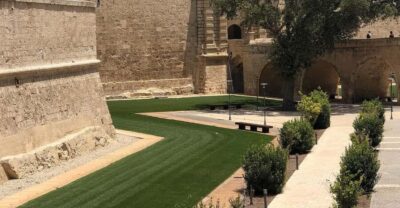 ★ 4.8Mdina and Rabat Walking Tour with CatacombsFrom $291,126 reviews
 ★ 4.3Mdina, Dingli Cliffs and San Anton Botanical GardensFrom $41991 reviews
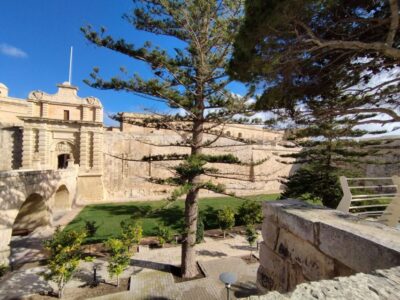 ★ 4.8Mdina and Rabat: Guided City Walking TourFrom $24549 reviews
 ★ 4.1Valletta: Vintage Bus to Valletta, Sliema, Rabat & MdinaFrom $9433 reviews
 ★ 5.0Mdina and Rabat Tour with Local GuideFrom $24408 reviews
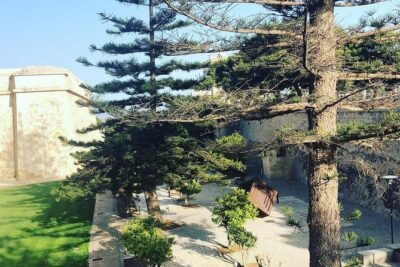 ★ 5.0Mdina and Rabat Walking Tour inc. Catacombs and St. Paul’s GrottoFrom $30341 reviews
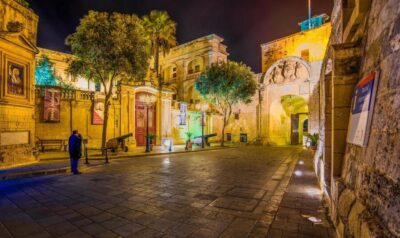 ★ 4.3Mdina: Valletta Waterfront Area, Mdina, and Rabat Night TourFrom $41302 reviews
Browse the lists this tour appears in