
Reviewed · MDINA & RABAT TOURS
Discover Mdina & Rabat Private Walking Tour
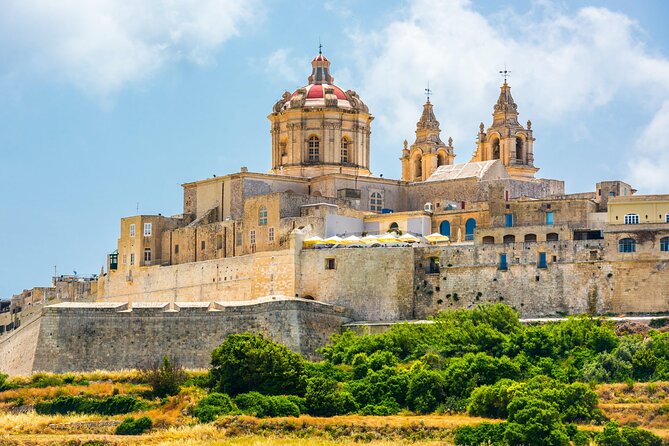
Mdina feels like Malta at walking speed: quiet corners, limestone walls, and views that pull your head up. This private tour pairs Mdina Old City and Rabat so you get a connected story in just a few hours, plus time to relax the rest of your day. I like the easy-to-find start at Mdina Gate and the fact you can go at your own pace with a licensed guide who can explain what you’re looking at. The one thing to consider is that you’re mostly on foot through old streets, and any museum or church entrances (if required on the day) are not included.
This is priced per group up to 15 people, lasts about 2 to 3 hours, and runs in English. I also like that the experience starts and ends at the same spot, so you don’t spend your limited time figuring out where to go next.
In This Review
- Key things to know before you go
- Why Mdina and Rabat belong together on one walk
- Mdina Gate start: how timing and the private format work
- Silent City lanes: Mdina Old City streets, churches, and palaces
- What to expect during your Mdina time
- A small drawback to plan around
- Rabat’s church streets: how the “bigger city” changes the feel
- What makes Rabat worthwhile even if you’ve seen Mdina
- Consideration
- What’s included—and why “licensed guide” matters in practice
- Entrance fees: know what’s not covered
- Price and value: when $180.72 per group makes sense
- Booking timing clue
- What “go at your own pace” really means on uneven old streets
- Use the rest of your day well after 2–3 hours
- Should you book this Mdina & Rabat private walking tour?
- FAQ
- Where does the tour start and end?
- How long does the Mdina & Rabat private walking tour take?
- Is this a private tour?
- What language is the tour offered in?
- Are entrance fees included for churches or museums?
- What happens if weather is poor?
Key things to know before you go

- Mdina Gate is the simple meeting point (easy “find us” logistics in a maze of streets)
- Private means your pace: stop when you want photos, slow down when you want stories
- Two linked towns, one guiding thread from Mdina’s palaces and churches to Rabat’s larger city life
- Most core spots are free to visit with any extra museum/church fees handled separately
- English guide + mobile ticket makes check-in straightforward
- Short tour, free afternoon so you can keep exploring without feeling rushed
More Mdina and Rabat tours we have wandered the silent city on
- Mdina and Rabat Insider’s Tour
★ 5.0 · 528 reviews - Valletta: Vintage Bus to Valletta, Sliema, Rabat & Mdina
★ 4.1 · 433 reviews - Half-Day Tour of Mosta, Ta’Qali Crafts Village & Mdina
★ 4.1 · 110 reviews - Mysteries of Mdina:Semi private Tour of the Ancient city
★ 4.5 · 32 reviews
Why Mdina and Rabat belong together on one walk
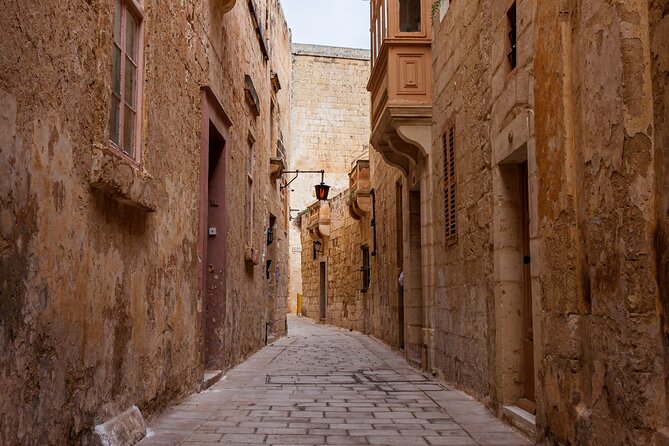
If you only visit Mdina, you’ll get the postcard Malta: stone streets, grand viewpoints, and that famous sense of calm. If you only visit Rabat, you get the broader city rhythm and a fuller picture of everyday religious and civic life around Mdina. Put them together and the history clicks. Mdina is often described as the Silent City for a reason, but it didn’t float in isolation. Rabat sits right beside it and helped shape the area’s churches, communities, and centuries of change.
That’s the big value of this experience: it doesn’t treat Mdina and Rabat like two unrelated stops. You walk the streets and the guide ties the landmarks into a single narrative you can actually remember—especially when you’re seeing them in sequence instead of trying to stitch them together later with maps.
Mdina Gate start: how timing and the private format work
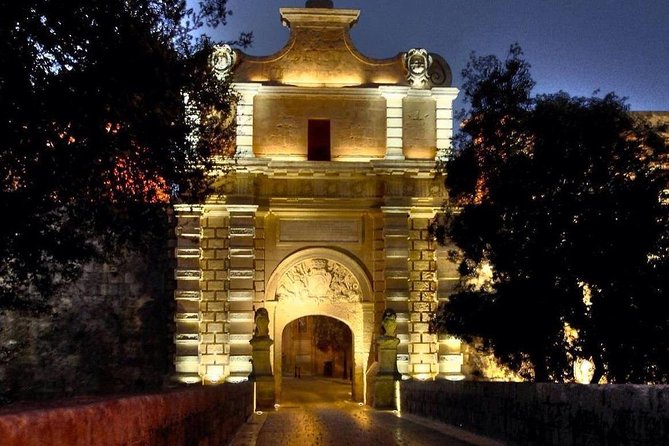
You begin at Mdina Gate (the tour ends back at the meeting point), so you’re not negotiating your day across two separate bases. That sounds minor, but in Mdina it matters. The town streets are narrow and winding, and it’s easy to lose time if you’re constantly recalculating routes.
The tour runs about 2 to 3 hours overall. In practice, that time is split between a longer stretch in Mdina and a shorter visit in Rabat. Because it’s private, your guide can match your pace—helpful if someone in your group needs slower walking, time for photos, or breaks for shade and water.
You’ll also want to keep expectations realistic about what a couple of hours can cover. You’re not trying to see everything in either town. Instead, you focus on the most important streets and places and get the story behind what you’re looking at. That’s the sweet spot for most people, because you’ll have the rest of the day to wander or grab food without a tight schedule hovering over you.
Silent City lanes: Mdina Old City streets, churches, and palaces
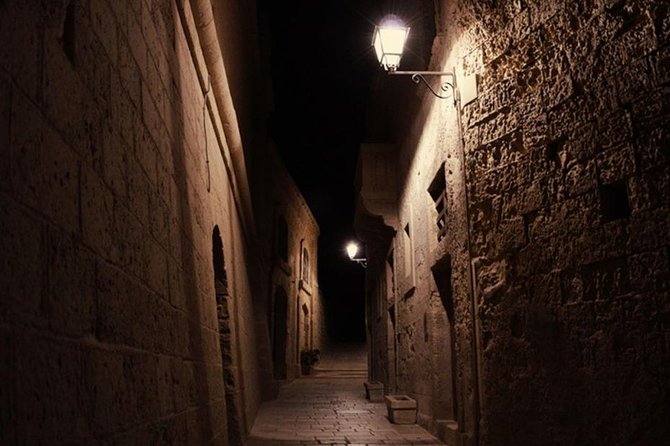
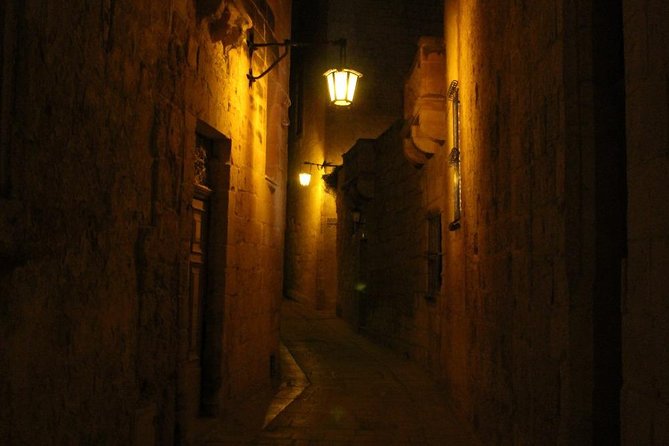
Mdina’s Old City is all atmosphere. The streets are narrow, the curves are frequent, and you’ll keep turning a corner expecting something new—and often getting it. This part of the walk is designed around the main “signature” sights: palaces, churches, and monuments that anchor Mdina’s identity.
What I like about this approach is that you’re not just following a route. You’re moving through the town while your guide points out what makes each stop matter. One example from guide feedback: Althea gets praised for tying together history, architecture, and religious crosscurrents, which is exactly what helps a place like Mdina stop feeling like a set of pretty buildings and start feeling like a living story.
More Maltese Islands walks through the honey-stone streets


What to expect during your Mdina time
Plan for about 1 hour 15 minutes here. You’ll spend that time walking through the winding streets and making short stops at key points—enough time to look closely, not so much that you feel trapped in a schedule.
A small drawback to plan around
Mdina’s main charm can also be its challenge: the terrain and tight lanes mean you’ll want comfortable shoes. If your group includes anyone with mobility limits, this may still be doable, but you’ll likely walk at a slower pace to manage the surfaces and turns. Service animals are allowed, which helps if you need that accommodation.
Rabat’s church streets: how the “bigger city” changes the feel
After Mdina’s quieter mood, Rabat adds weight and variety. Rabat is described as the larger city in the area, and you feel that change right away: more street presence, more religious buildings, and a different tempo.
This part of the tour is built around Rabat’s churches and convents, including stops where you can see inside of some of the most beautiful religious sites. The time here is shorter—about 1 hour—but it’s structured so you don’t just pass by. You get stops that help you understand why this area’s religious history is so central to Malta’s identity.
What makes Rabat worthwhile even if you’ve seen Mdina
Think of Rabat as the context. Mdina may look like the main stage, but Rabat helps explain how people lived around it—where they worshipped, gathered, and built institutions across centuries. If you’re the type who likes architecture and religious history (even lightly), Rabat gives you more of that in a compact format.
You may also get practical food guidance from the guide. One guide named Caroline is specifically praised for being accommodating and sharing excellent tips for local food and beverage tasting. That kind of advice can be more valuable than one extra monument stop, because it helps you turn the afternoon after the tour into something memorable.
Consideration
You’re moving from stone quiet into more active streets. That’s great for variety, but it also means Rabat can feel a little less “postcard still.” If your group is hoping for nonstop dramatic views, Mdina will likely satisfy more of that mood.
What’s included—and why “licensed guide” matters in practice

This experience includes all fees and taxes, and it includes tour guide services by a licensed Malta Tour Guide. You also get a mobile ticket, and the tour is offered in English.
The practical effect of a licensed guide is simple: you’re less likely to misunderstand what you’re seeing. Mdina and Rabat have layers—old buildings, shifting roles, religious institutions with long timelines—and a good guide keeps the story straight. The difference between a self-guided walk and a guided one is not just facts. It’s direction: what to notice first, what to ignore, and how to connect one spot to another.
Entrance fees: know what’s not covered
Museum or church entrance fees are not included if you run into any paid entries. At the same time, the core stops listed for this walk are marked with free admission for those segments, so it’s not designed as a “pay at every stop” tour. Still, it’s smart to bring a bit of flexibility in your budget in case a church you want to spend time in happens to require a fee on the day.
Price and value: when $180.72 per group makes sense
The price is $180.72 per group, up to 15 people. That pricing model can be either a bargain or a stretch depending on your group size.
Here’s the honest way to think about it:
- If you’re traveling with a family or small group that can fill more of the group capacity, your per-person cost drops quickly, and you’re paying for a guide who can tailor the pace.
- If it’s just one or two people, the fixed group price can feel high, because you’re basically paying for the guide and private attention regardless of headcount.
So the value comes from what you want from the day. If you’re the type who likes history, architecture, and walking through meaningful streets with an expert at hand, private guidance can be worth it even for smaller groups. If your priority is maximum sightseeing per dollar, you might compare against other options before committing.
Booking timing clue
On average, this tour is booked about 52 days in advance. That doesn’t mean you can’t book later, but it does suggest it’s a popular way to structure a short Mdina + Rabat day. If your travel dates are busy, earlier booking helps.
What “go at your own pace” really means on uneven old streets
“Go at your own pace” sounds nice in a brochure. In Malta’s older towns, it matters because the pace you choose affects how much you can enjoy without rushing. In a private format, you can spend an extra minute on a viewpoint or slow down when the stones get uneven.
Also, because the tour ends back at the meeting point, you can treat it like a guided opening act. You’re not constantly checking where your guide will take you next or trying to connect transportation routes afterward. When you’re done in about 2 to 3 hours, you’re free to explore independently.
Use the rest of your day well after 2–3 hours
A tour that finishes quickly is only good if you actually use the time. Here’s how I’d structure your remaining hours in a way that matches the spirit of Mdina and Rabat:
- Wander Mdina after the tour while it’s still fresh in your mind. If you learned what to notice, you’ll spot it easier on your second pass.
- Spend longer in Rabat if you loved the church atmosphere. Since this walk only gives you about an hour there, it’s enough to steer you, not enough to satisfy every curiosity.
- Follow the guide’s food and beverage tips if they share them. That advice can save you from eating somewhere convenient but forgettable.
If you’re planning multiple stops in a single day, keep Mdina’s walking time in mind. The charm is the slow drift through lanes, not racing between landmarks.
Should you book this Mdina & Rabat private walking tour?
I’d book it if you want a guided story of Mdina and Rabat in a tight window, with the freedom to set your own walking pace. This is especially worth it when you care about how the churches, palaces, and monuments connect, and when you prefer a licensed guide to point out what’s meaningful without turning it into a lecture.
I would think twice if your group is very small and you’re watching costs closely. Also, if paid entries pop up in the religious sites you want to linger in, you’ll need a little extra budget or willingness to choose which spots you spend time inside.
One more practical note: the experience works best in good weather, since it’s a walking tour. If weather becomes a problem, you’ll be offered a different date or a full refund.
FAQ
Where does the tour start and end?
It starts at Mdina Gate (VCM3+V9W, Mdina, Malta) and ends back at the same meeting point.
How long does the Mdina & Rabat private walking tour take?
The tour lasts about 2 to 3 hours.
Is this a private tour?
Yes. It’s a private tour/activity, and only your group participates.
What language is the tour offered in?
The tour is offered in English.
Are entrance fees included for churches or museums?
All listed core segments are marked as free, but museum or church entrance fees are not included if any paid entry is required.
What happens if weather is poor?
This experience requires good weather. If it’s canceled due to poor weather, you’ll be offered a different date or a full refund.
More Tours in Malta





More Tour Reviews in Malta



More Mdina & Rabat Tours




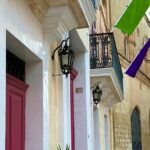

Wondering what else is on? More Malta and Gozo trips from our own notebook

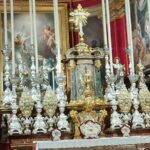


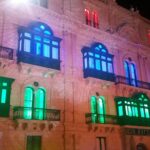

Mdina & Rabat Tours, compared.
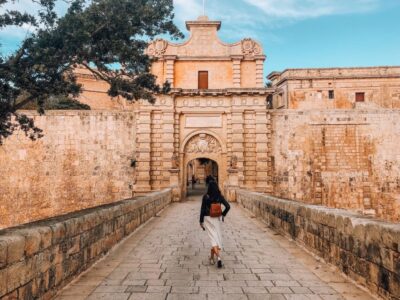 ★ 4.4Highlights of Malta & Mdina Full Day Tour with LunchFrom $792,688 reviews
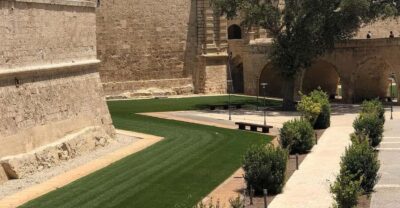 ★ 4.8Mdina and Rabat Walking Tour with CatacombsFrom $291,126 reviews
 ★ 4.3Mdina, Dingli Cliffs and San Anton Botanical GardensFrom $41991 reviews
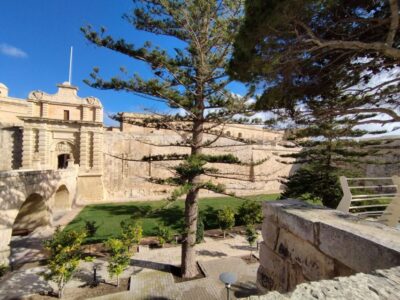 ★ 4.8Mdina and Rabat: Guided City Walking TourFrom $24549 reviews
 ★ 5.0Mdina and Rabat Insider’s TourFrom $24528 reviews
 ★ 4.1Valletta: Vintage Bus to Valletta, Sliema, Rabat & MdinaFrom $9433 reviews
 ★ 5.0Mdina and Rabat Tour with Local GuideFrom $24408 reviews
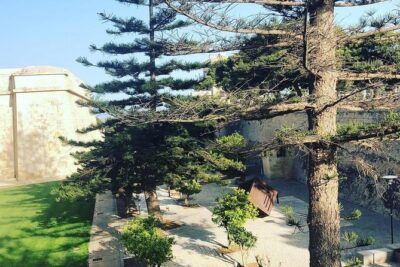 ★ 5.0Mdina and Rabat Walking Tour inc. Catacombs and St. Paul’s GrottoFrom $30341 reviews
Browse the lists this tour appears in