
Reviewed · MDINA & RABAT TOURS
Best of Mdina and Rabat Walking Tour
Mdina looks best on foot. This 2-hour walk strings together Mdina’s medieval streets and Rabat’s quieter side, with a real guide doing the talking instead of leaving you to guess. I like how it moves fast enough to hit the big scenes without feeling rushed, and it starts at an easy-to-find landmark so you don’t waste time hunting.
I also like the sweep of highlights you get in one go: Vilhena Palace, the main cathedral square, and Rabat’s typical lanes just outside the city walls. You’ll get context you won’t find just by taking photos, including the historical background of key buildings and the meaning behind place names as you walk.
One caution: sound equipment can be inconsistent. On busier days, the group can get large enough that headsets may be limited, so if you’re hard of hearing in one ear, plan to ask about sound setup early or position yourself where you can hear clearly.
In This Review
- Key highlights at a glance
- Where the tour starts: Main Gate of Mdina and a red umbrella
- Vilhena Palace: the formal French baroque moment at Mdina’s edge
- Pjazza Mesquita: Game of Thrones filming, without the noise
- Villegaignon Street: Mdina’s main street and its palace-lined scale
- Pjazza San Publju and the Metropolitan Cathedral viewpoint
- Rabat, just outside the walls: a slower pace and meaningful names
- Price and time: what $24.10 really buys you
- Group size, hearing, and rainy-day reality
- Who this tour suits best (and who should adjust expectations)
- Should you book this Mdina and Rabat walking tour?
- FAQ
- Where does the tour start?
- How long is the tour?
- Is the tour in English?
- Are entrance fees included?
- Where does the tour end?
- How big is the group?
Key highlights at a glance
- Main Gate of Mdina meeting point: find the guide by a red umbrella
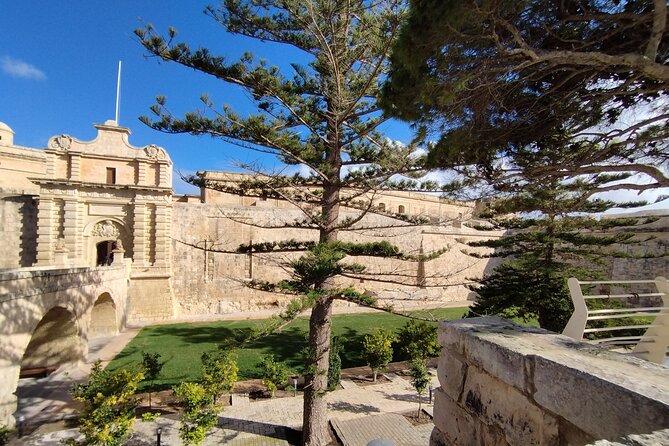
- Vilhena Palace: early 18th-century French baroque architecture at Mdina’s entrance
- Pjazza Mesquita: a Game of Thrones filming location in a calm, silent-feeling square
- Vilhlegaignon Street: Mdina’s main street with standout palaces along the way
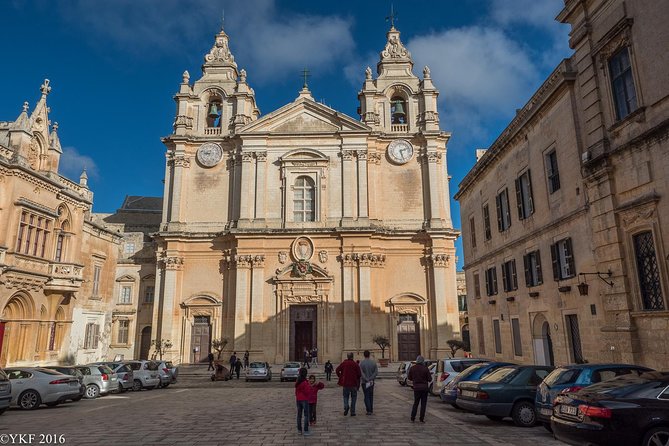
- Pjazza San Publju: Cathedral Square dominated by Saint Peter and Saint Paul
- Rabat walk: a more rural pace right outside Mdina’s walls
More Mdina and Rabat tours we have wandered the silent city on
- Mdina and Rabat Insider’s Tour
★ 5.0 · 528 reviews - Valletta: Vintage Bus to Valletta, Sliema, Rabat & Mdina
★ 4.1 · 433 reviews - Half-Day Tour of Mosta, Ta’Qali Crafts Village & Mdina
★ 4.1 · 110 reviews - Mysteries of Mdina:Semi private Tour of the Ancient city
★ 4.5 · 32 reviews
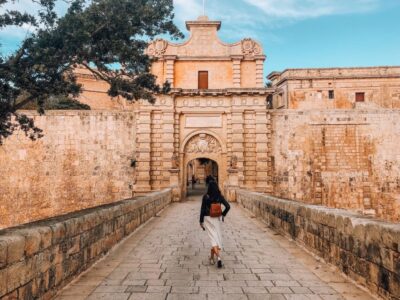
Where the tour starts: Main Gate of Mdina and a red umbrella
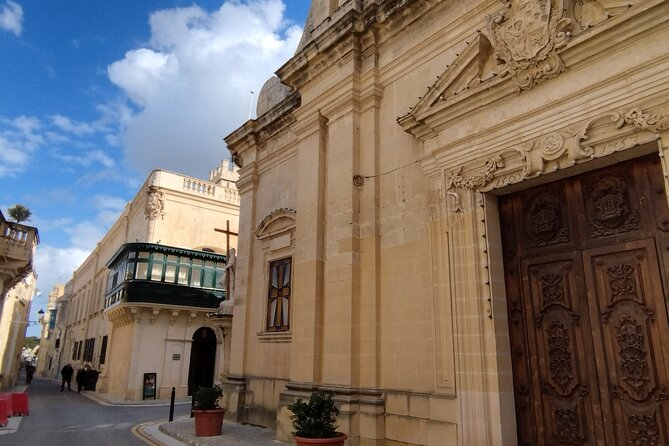
You’ll meet your guide at the Main Gate of Mdina, at a spot that’s straightforward to plug into Google Maps (Mdina Gate, VCM3+V9W). The guide will be holding a City Walking Tours red umbrella, which is a small detail that matters when you’re in a maze of stone streets and tourist groups.
This is the kind of meeting point that keeps your day moving. If you’ve ever shown up early, waited, and then realized you joined the wrong group, you’ll appreciate how direct this start is. It’s also a good sign that the tour is designed for walk-up logistics: mobile ticket, central location, and a group size capped at 20 travelers.
The walk begins with an overview of Mdina’s medieval feel—expect the guide to frame what you’re seeing as you pass palaces, convents, churches, and those narrow, typical streets that give Mdina its slow-time atmosphere.
Vilhena Palace: the formal French baroque moment at Mdina’s edge
Vilhena Palace is your first big architectural “wow” stop right by the entrance to Mdina. It’s described as a French baroque palace built in the early 18th century, with designs credited to French architect Charles Francois de Mondion.
Why this stop is worth your attention: Mdina isn’t just one kind of stone scene. It’s a layered town. The palace is a reminder that while the city feels medieval, it also absorbed later European tastes. Even if you’re not into architecture, you can still read the shape and styling of the building in a quick glance—then your guide can connect it to how power and wealth showed up in Malta over time.
This isn’t a long stop (about 10 minutes), so think of it as a “look, learn, keep walking” moment. If you want a longer photo break, step slightly off the main flow so you don’t block the rest of the group.
Pjazza Mesquita: Game of Thrones filming, without the noise
Next you’ll pause at Pjazza Mesquita, a small, peaceful square tucked deep within Mdina’s quiet feel. The standout fact here is the connection to Game of Thrones—this square was used as one of the filming locations.
Here’s the practical angle: filming locations can sometimes turn into a theme-park moment. That’s not the case with this stop. The square’s calm setting is exactly why it works on screen, and it’s exactly what you’ll feel in person. You’re in the same atmosphere the set crew would have chosen: silence, stone, and a sense of time standing still.
It’s a short stop (about 5 minutes). If you love movie trivia, great—take a couple minutes to look around and match what you see to what you’ve watched. If you’re not into that, it’s still a nice break to reset your eyes and legs before the main street segment.
More Maltese Islands walks through the honey-stone streets


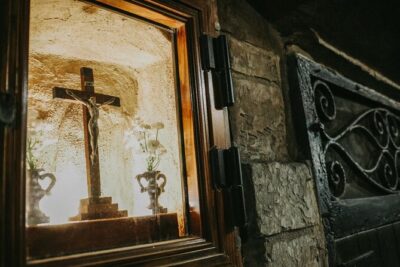
Villegaignon Street: Mdina’s main street and its palace-lined scale
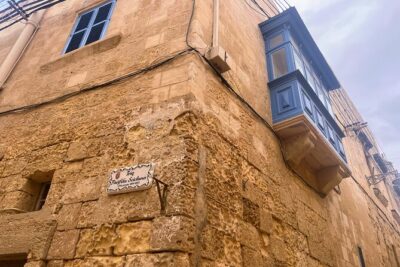
Then the walk shifts to Vilhlegaignon Street, Mdina’s main road. This is where the town really shows off its palaces in a line, so your guide will likely help you spot the differences in facades and the kinds of buildings you’re seeing as you move.
Why this section clicks: it’s one thing to visit a landmark. It’s another to experience how the landmarks relate to a lived street. Mdina’s “walkability” is part of the story, and Villegaignon Street makes that clear because the buildings sit in a steady rhythm as you go.
Time-wise, this segment runs about 30 minutes, so pace yourself. Wear comfortable shoes. Mdina streets can feel deceptively even, but the stone surface adds up after a while. Also, since sound can be a factor on busier days, I’d position yourself where you can comfortably hear without straining—don’t assume you’ll always be close enough at the exact moment the guide hits the interesting details.
Pjazza San Publju and the Metropolitan Cathedral viewpoint
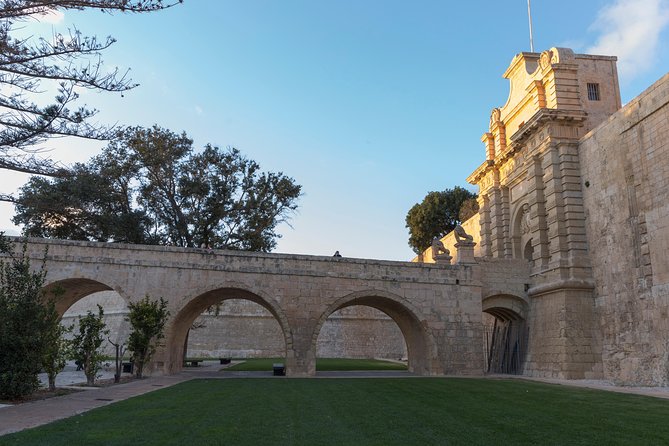
At Pjazza San Publju, you’ll reach Mdina’s main square, with the Metropolitan Cathedral dominating the space. The cathedral is dedicated to Saint Peter and Saint Paul, which your guide will connect to why this square became the town’s public center.
This stop is about 10 minutes. That’s not a lot of time for a cathedral square if you like to read every plaque and zoom in on every carving. But it is perfect if you’re trying to cover the essentials in one walking tour and still have energy left for independent exploring afterward.
My advice: spend that 10 minutes looking up and scanning the square from different angles. Even if you don’t go inside (church or museum entrance fees aren’t included), the outside view and layout tell you a lot about how Mdina organized daily life—where people gathered, where authority showed itself, and how the town’s skyline was designed.
Rabat, just outside the walls: a slower pace and meaningful names
After Mdina, you’ll walk into Rabat, a town just outside the old city. It’s described as quieter and more rural in feel compared with Mdina, so the mood shifts in a nice way without you changing locations.
Your guide will point out the meaning of the name: Rabat comes from Semitic roots and is said to mean suburb—because it once functioned as the suburb of Mdina. That’s the kind of detail that makes the area click. You’re not just walking through a random nearby town; you’re moving through the spillover space that grew as the city’s life expanded.
This Rabat segment is about 20 minutes and is set up as a leisurely stroll through typical streets. It’s a good balance: you get the grandeur of Mdina, then you get normal-town rhythm in Rabat. It also makes the end of the tour feel useful, since the tour concludes near a key religious landmark: the Basilica of St Paul (64 Triq Ir-Rebha, Ir-Rabat), and the tour ends close to the Parish church of Rabat.
If you want to keep going after the tour, this is a smart finish point because it puts you already in the thick of things rather than dropping you miles away.
Price and time: what $24.10 really buys you
At $24.10 per person for about 2 hours, this tour is priced like a “high-value orientation walk.” And that’s the right way to think about it.
Here’s what you’re getting for the money:
- A fully licensed guide for the full 2 hours
- A structured route across Mdina’s major highlights
- Multiple stops where entrance fees are not required for the viewing points
- English service, with a group size that’s meant to stay manageable
What you’re not getting is museum or church entrance included. That’s normal for walking tours focused on outside highlights. But it does mean you should decide ahead of time whether you want to add on any indoor visits after the walk.
Is it a bargain? For many visitors, yes—because Mdina and Rabat can be easy to “photo your way through” without learning much. This tour pays for itself if you care about context: why buildings look the way they do, why certain squares matter, and how Rabat relates to Mdina historically.
One more practical point: the tour is often booked about 18 days in advance on average. That usually means popular times can fill up, so if your schedule is tight, it’s smart to reserve sooner rather than later.
Group size, hearing, and rainy-day reality
The tour caps at 20 travelers, which should keep things comfortable. Still, reality can vary by day. I’d treat this as a walking tour where your ability to hear the guide matters.
There’s enough evidence to plan for sound variability:
- Some groups can feel crowded
- Headsets may not always be available for everyone
- Noise/static can interfere, especially in active street sections
My practical recommendation: arrive a little early at the meeting point so you can choose where you stand. If you know you’re sensitive to sound or you rely on hearing from one side, tell the guide when you start. Guides can often help you position yourself better, even if the equipment situation changes.
Weather is another real factor. If it rains, a good guide will still keep things moving and arrange short shelter when possible. Malta showers can be quick, but slippery stone isn’t fun, so I’d pack a compact umbrella or rain layer just in case.
Who this tour suits best (and who should adjust expectations)
This tour works best if you want an organized way to cover Mdina and Rabat without building your own route. It’s also a great match if you like learning from a guide who ties places to stories, not just names and dates.
It’s especially good for:
- First-timers who want the big hits quickly
- People who enjoy medieval-feeling streets and architectural stops
- Anyone who likes the added pop culture angle of a filming location
If you prefer long museum-style visits or deep cathedral time inside, you might feel constrained by the short stops and the fact that entrance fees aren’t included. In that case, treat the tour as a foundation, then plan your own follow-up visits.
Families can join too, as long as children are accompanied by an adult. The tour also allows service animals, and it’s near public transportation—helpful if you’re hopping between sites.
Should you book this Mdina and Rabat walking tour?
Yes—if your goal is to see Mdina and Rabat efficiently and you want the meaning behind what you’re looking at. For the price, $24.10 feels fair because you’re not just walking around; you’re getting a guided route through key palaces, squares, and streets with a real, licensed guide.
Book it if:
- You want a quick hit of Mdina highlights and a calm Rabat finish
- You like guided storytelling as you walk
- You’re happy keeping most stops outside and using the tour to plan optional add-ons
Think twice if:
- You rely heavily on clear audio and want guaranteed headsets for every participant
- You expect long indoor time in churches or museums
If you do book, show up early, stand where you can hear best, and wear shoes you trust on stone. Mdina rewards patience—this tour gives you the right framework so you don’t just pass through it. You’ll notice more when you know what you’re looking at.
FAQ
Where does the tour start?
The tour starts at the Main Gate of Mdina, at Mdina Gate (VCM3+V9W). Your guide will be holding a City Walking Tours red umbrella.
How long is the tour?
It’s about 2 hours (approx.).
Is the tour in English?
Yes, it’s offered in English.
Are entrance fees included?
No. Entrance fees to any museum or church aren’t included. The stops are mostly for outside viewing.
Where does the tour end?
The tour ends near the Parish church of Rabat, close to the Basilica of St Paul (64 Triq Ir-Rebha, Ir-Rabat).
How big is the group?
The tour has a maximum of 20 travelers.
More Tours in Malta




More Tour Reviews in Malta



More Mdina & Rabat Tours





Wondering what else is on? More Malta and Gozo trips from our own notebook




Mdina & Rabat Tours, compared.
 ★ 4.4Highlights of Malta & Mdina Full Day Tour with LunchFrom $792,688 reviews
 ★ 4.8Mdina and Rabat Walking Tour with CatacombsFrom $291,126 reviews
 ★ 4.3Mdina, Dingli Cliffs and San Anton Botanical GardensFrom $41991 reviews
 ★ 4.8Mdina and Rabat: Guided City Walking TourFrom $24549 reviews
 ★ 5.0Mdina and Rabat Insider’s TourFrom $24528 reviews
 ★ 4.1Valletta: Vintage Bus to Valletta, Sliema, Rabat & MdinaFrom $9433 reviews
 ★ 5.0Mdina and Rabat Tour with Local GuideFrom $24408 reviews
 ★ 5.0Mdina and Rabat Walking Tour inc. Catacombs and St. Paul’s GrottoFrom $30341 reviews
Browse the lists this tour appears in