
Reviewed · WALKING TOURS
World War II Malta Full-Day Walking Tour
Malta during WWII is not distant or dusty. This full-day walk connects street corners in Valletta with the defense that kept the island alive, from air-raid shelters to command rooms underground. I especially like how the route ties major places to specific events (like the Siege of Malta), and how the harbor viewpoints make the stakes feel real. One thing to consider: it’s a lot of stops in 7 hours, so you may feel a little time-pressured if you want slow, lingering photo breaks everywhere.
You’ll start with the feel of Vittoriosa before shifting into Valletta’s layered defenses and memorials. The included tickets help you go beyond plaques and actually step into the spaces where people waited, planned, and fought.
In This Review
- Key things to know before you go
- Why this WWII Malta tour feels different than a museum day
- The route: from Vittoriosa’s waterfront feel to Valletta’s defensive spine
- Fort St Elmo and air-raid shelters: stepping into Malta’s “wait and survive” side
- Valletta’s WWII landmarks: bombs, honors, and the city’s war symbols
- RAF recognition and Commonwealth sacrifice
- Bombed culture and civilian damage
- The George Cross connection
- Victory Kitchens and life under shortage
- Gates and naval commemoration: Operation Pedestal
- Upper Barracca views and the Siege Bell: learning by looking out at the harbor
- Lascaris War Rooms: the command center under Malta
- Micro-logistics that affect your enjoyment (and how to handle them)
- Audio on transit
- Time pressure at big sites
- Museum portion may be more self-paced
- Price and value: is $71 for 7 hours a smart move?
- Who should book this tour
- Should you book it?
- FAQ
- How long is the World War II Malta full-day walking tour?
- What areas does the tour cover?
- Are Fort St Elmo and the air-raid shelters included?
- What is included with the tour ticket?
- Is lunch included?
- Is the tour suitable for people with mobility impairments?
- What should I bring for the tour?
- Can I cancel for a refund?
Key things to know before you go
- Air-raid shelters + Fort St Elmo entry: you get the defense infrastructure, not just street-level stories
- Lascaris War Rooms: see where Malta’s air defense work was run, with references to major Mediterranean command decisions
- Memorial stops for Commonwealth crews and Operation Pedestal: the route repeatedly pays respect, not just sightseeing
- Harbor views from Upper Barracca and the Siege Bell: the geography is part of the lesson
- Many WWII-linked Valletta landmarks: Royal Opera House bombing site, George Cross location, Victory Kitchens
- Time pacing can feel tight: some parts may feel more scripted than slow and freeform
More Maltese Islands walks through the honey-stone streets
- The Original Valletta Walking Tour
★ 5.0 · 2,719 reviews - Valletta: 3-Hour Walking Tour
★ 4.7 · 1,605 reviews - Valletta: Guided City Walking Tour
★ 4.8 · 1,256 reviews - Valletta: Street Food and Culture Walking Tour
★ 4.8 · 1,251 reviews
Why this WWII Malta tour feels different than a museum day
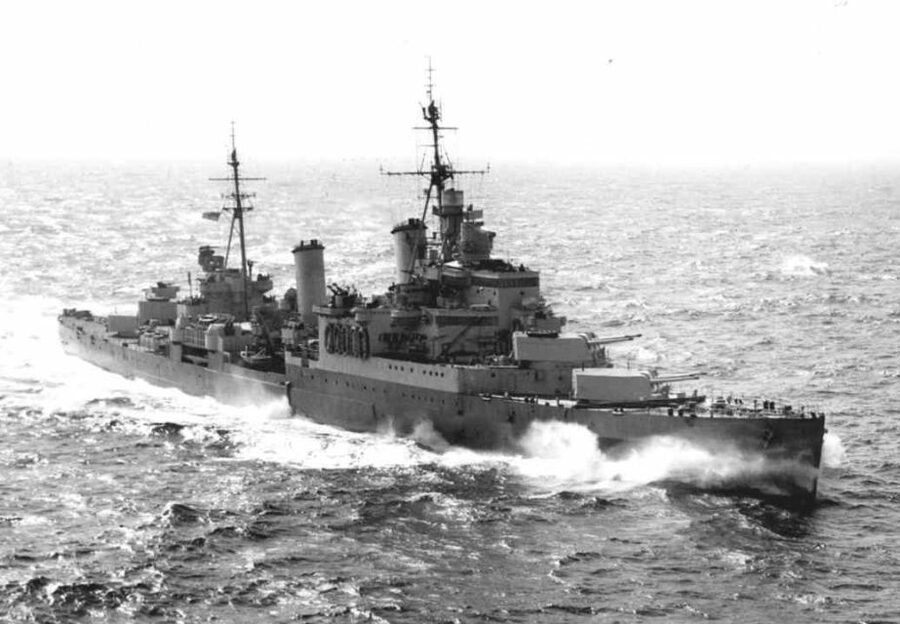
The Siege of Malta wasn’t just about aircraft and ships. It was about a small island absorbing a huge, sustained pressure for months, then finding ways to keep operating when normal life was under constant threat.
That’s why I like this tour’s structure. You don’t only hear dates and names; you walk through the parts of Valletta that still carry meaning. A war memorial on a square hits harder when you’re looking toward the same harbor the story depends on. And when you step into the Lascaris War Rooms, the whole campaign stops feeling abstract and starts feeling like logistics, decisions, and nerves held together by planning.
The other strong point is that the day moves between Malta’s British-era military story and the local landmarks where that story is stamped into the city. You get that mix of official command history (Royal Air Force, Royal Navy, senior planners) plus “what it meant for people” details like Victory Kitchens built during scarcity.
If you’re expecting a laid-back stroll with tons of free time at every stop, you should know the pace is fairly full. This is a tour designed to cover a lot of ground and multiple high-impact sites in one day.
The route: from Vittoriosa’s waterfront feel to Valletta’s defensive spine
Most of your day is a classic Malta combo: Vittoriosa’s historic military atmosphere, then Valletta’s compact layout where you can connect many WWII-era points without hopping around too much.
Vittoriosa is a useful opener because it sets the tone early. It’s easier to understand why the Mediterranean mattered when you start near the layers of harbor history and then continue toward Valletta, where defense, government, and command structures tightened together.
Once you’re in Valletta, the tour is built around the city’s defensive logic. You’ll pass key structures like Porta Reale, part of the Valletta Land Front curtain wall. This kind of stop helps you see how Malta’s city planning was part of the military system, not separate from it.
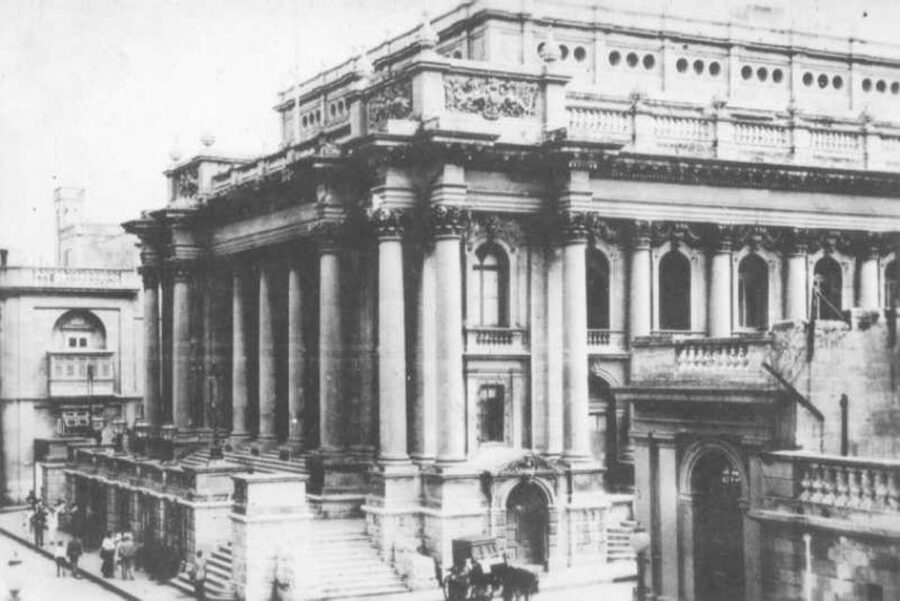
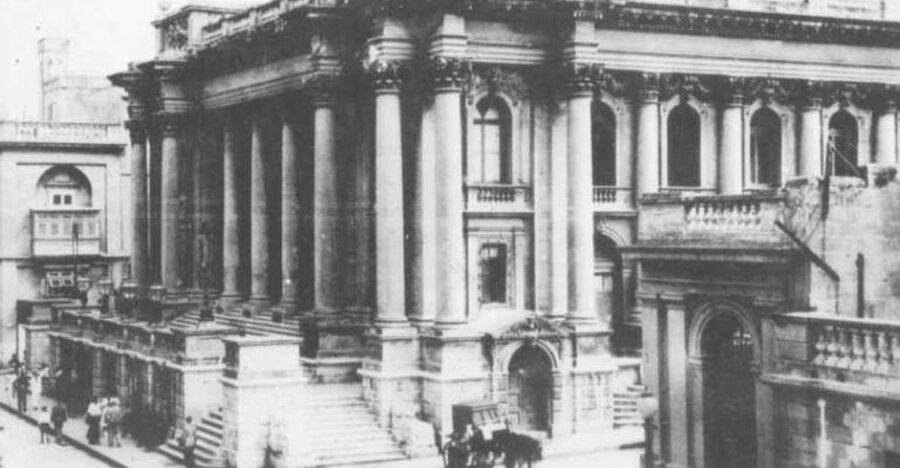
Then the walking becomes more “storytelling by location.” You’ll hit places tied to bomb damage and recognition, like the former Royal Opera House site (bombed in 1942). You’ll move through streets such as Strada Stretta, then reach squares and gates where wartime symbolism is anchored in stone.
The practical takeaway for you: wear comfortable shoes and plan for steady walking. This tour is not made for mobility limitations. Even if you can handle uneven sidewalks, it’s still a long day with multiple entrances and memorial stops.
Fort St Elmo and air-raid shelters: stepping into Malta’s “wait and survive” side
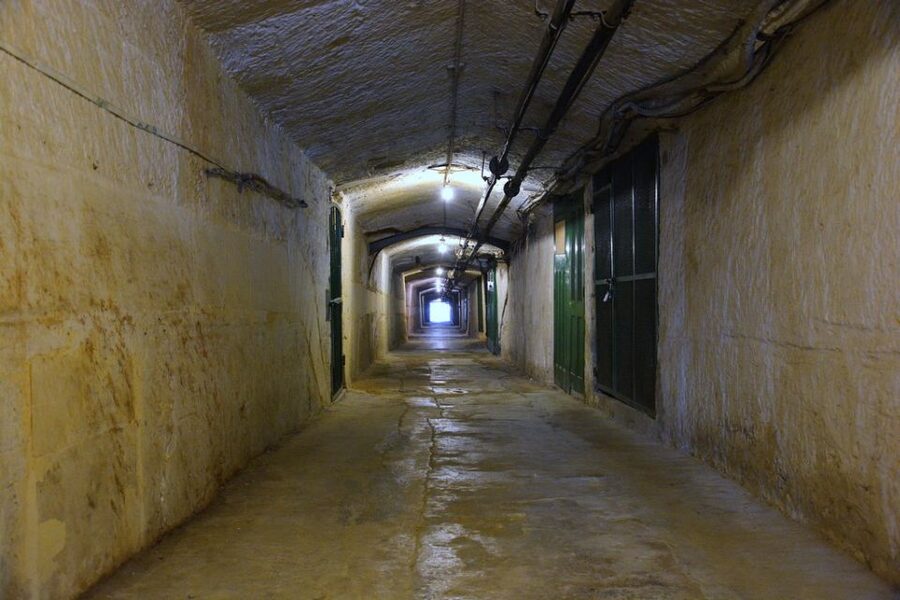
If Malta’s air and sea war was the big story, then shelters were the everyday reality. That’s why the included Air Shelters ticket matters. When you go underground (or toward protected spaces), the WWII narrative shifts from battles you read about to the human need to endure.
Fort St Elmo is another anchor point. Entering it gives you a sense of strategic defense near the harbor—exactly where Malta’s position forced it into the middle of supply routes, attacks, and counterattacks.
The best part of these sites is that they create contrast. On the streets above, you’re surrounded by modern Valletta. Under (or within) the defenses, you’re dealing with confined space and the mindset of wartime readiness. That contrast is a powerful way to learn.
One note to manage expectations: a small slice of the underground/shelter time can feel more structured than you’d get on a full independent visit. If you want maximum time in every chamber, you might leave wanting more minutes in the places that grabbed you most. Still, having tickets included is a real value, because entrances to these key spaces would cost extra on your own.
A few more Malta and Gozo tours we happily vouch for


Valletta’s WWII landmarks: bombs, honors, and the city’s war symbols
Valletta is where this tour really connects the dots. You’ll visit a run of stops that cover different WWII angles—air warfare, recognition for heroism, scarcity at home, and naval operations.
Here are some of the key places you’ll see and what they mean in plain terms:
RAF recognition and Commonwealth sacrifice
You’ll stop at the commemorative RAF Monument to the 2,298 Commonwealth aircrew who died in WWII air battles. This is one of those moments where the city becomes a roll call of real people, not just a campaign headline.
If you’re the kind of traveler who likes to understand the human cost behind big events, this stop lands well. It also sets up the rest of the day, since Malta’s story is tightly tied to air defense and air warfare.
Bombed culture and civilian damage
In Pjazza Teatru Irjal, you’ll be at the site of the former Royal Opera House, extensively bombed in 1942. It’s a reminder that WWII didn’t only target ports and military sites. It also attacked morale and the everyday structures that made a city feel like a city.
The George Cross connection
At Misrah San Gorg (St. George’s Square), you’ll see the place tied to Malta’s George Cross awarded in 1942. This is a powerful symbol: recognition given for collective endurance. It also helps you understand why Malta’s WWII story is unusually central to national identity.
Victory Kitchens and life under shortage
You’ll also learn about community kitchens known as Victory Kitchens, built to avoid food waste during shortages. That detail matters more than you might think. It turns the tour from “war as combat” into “war as a full society under pressure.”
Even if you don’t study history at home, this kind of stop gives you a concrete mental picture of wartime logistics: feeding people, stretching resources, and adapting behavior.
Gates and naval commemoration: Operation Pedestal
You’ll go to Victoria Gate, built on the site of the old Del Monte Gate. After that, you’ll pay respects at the Santa Marija Memorial, an anchor-shaped memorial connected with Operation Pedestal.
Operation Pedestal is the kind of operation that sounds technical until you stand at a memorial like this. Then it hits you as a story about reinforcement routes and the cost of keeping supplies moving.
Upper Barracca views and the Siege Bell: learning by looking out at the harbor
After the underground and memorial stops, the tour shifts nicely into viewpoint mode.
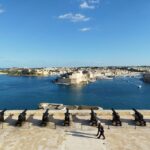
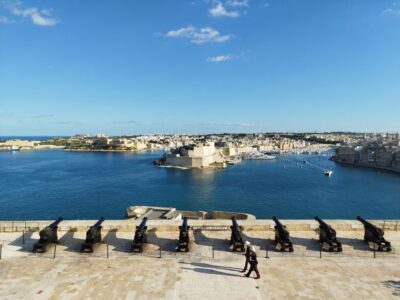
At Upper Barracca Garden, you’ll see statues including Winston Churchill and other prominent men. The value here isn’t just the name on a statue. It’s that the garden’s position helps you orient yourself. When you later remember the Siege of Malta and its relentless pressure, your brain has a location to attach the story to.
Then there’s the Siege Bell Memorial, built in 1992 to honor 7,000 people who lost their lives in the Siege of Malta. The bell theme makes sense because bells were part of how people signaled danger and responded to raids. Standing there, you can connect symbolism to geography—especially the way the harbor dominates everything.
For you, this is the emotional payoff of the walk. The views give you context for why Malta mattered and why the conflict kept returning to the island.
Lascaris War Rooms: the command center under Malta
This is the most “wow” component if you like real decision-making spaces. The tour includes entry to the underground complex of the Lascaris War Rooms, where air defense of Malta was conducted and where some Mediterranean sea battles were coordinated in the broader command picture.
What I like about bringing you here is how it reframes the war narrative. The Siege of Malta isn’t only airplanes over the island. It’s people reading information, coordinating responses, and directing broader operations.
The tour also links the War Rooms to major WWII leadership directing the Invasion of Sicily in 1943, with names including General Eisenhower, Admiral Cunningham, Field Marshal Montgomery, and Air Marshall Tedder.
That moment helps connect Malta’s story to the wider Mediterranean theater. It’s one thing to know Malta mattered. It’s another to understand that Malta sat inside a command network that affected later operations.
There’s also a pacing consideration. The day is full, so the War Rooms experience may not match the slow, deep visit you might want if you love military details. Still, getting access at all—rather than just seeing the area from outside—is a major part of the tour’s value.
Micro-logistics that affect your enjoyment (and how to handle them)
This is where you can protect your day from disappointment.
Audio on transit
One real-world issue that can pop up on tours like this is that if the guide is speaking from a distance during transfers, you might struggle to hear clearly. If you’re sensitive to audio or you know you sit farther back, aim for a spot where you can hear well, and don’t be shy about asking for clarity when you step off.
Time pressure at big sites
You’ll cover a lot: multiple memorials, gates, streets, gardens, plus major indoor/underground stops. That means you might not get long, unhurried time in every single area.
If you’re the type who wants to photograph every plaque, take every side path, and sit for a while, you’ll probably want to choose a couple stops that matter most to you—then let the rest be about orientation and learning.
Museum portion may be more self-paced
Your day includes a ticket to the Malta War Museum. Depending on how your guide structures the day, that museum time can be more on your own rather than fully narrated end-to-end. If you want a guided museum experience, plan to use your attention wisely there—skim first, then slow down where the WWII details catch you.
Price and value: is $71 for 7 hours a smart move?
At $71 per person for a 7-hour tour, you’re paying for more than a walking guide. You’re paying for access.
Included items that drive value:
- Tickets to the Air Raid Shelters
- Entrance to Fort St Elmo
- Entry ticket to the Malta War Museum
- Licensed local guide
- Pickup and drop-off from your hotel or nearest point
- Lascaris War Rooms visit as part of the tour day
Lunch is not included, so budget for a meal break yourself. But that’s not unusual on day tours in Valletta. The bigger question is whether you’d pay for these entrances and pay for guided interpretation on top.
If you’re visiting Malta for a limited time and you want the WWII story tied to real locations, $71 doesn’t look crazy. You’re buying route efficiency (less indecision, fewer transit hassles) and context. If you’re already a hardcore self-guided WW2 reader and you don’t mind paying for entrances separately, you might save money by DIY-ing. But for most people, the value comes from getting the story placed correctly in the city.
Who should book this tour
This tour is a good match if:
- you want a structured WWII-focused walk across Vittoriosa and Valletta
- you care about memorials and want respectful context, not just quick sightseeing
- you like “place-based history,” where geography clarifies events
- you’re comfortable walking for most of the day in a compact city
It may not be the best fit if:
- you have mobility limitations, since it’s not suitable for mobility impairments
- you prefer very slow pacing and lots of unplanned free time at each stop
- you want only WWII combat history and nothing else, because some explanations can feel broader than narrow battle detail
Should you book it?
Yes, if you want Malta’s WWII story tied to the places you’ll actually see: shelters, fortifications, underground command rooms, and memorials that give the human side of the Siege of Malta its due.
Book it sooner rather than later if your schedule allows, because Valletta’s WWII landmarks are much easier to understand when they’re connected into one continuous narrative. And if you’re the type who learns best by combining walking + access, this day delivers more than a standard “look and read” tour.
If you’re extremely detail-driven about military specifics and want maximum time inside every room, treat this as a strong sampler. Then plan one follow-up independent visit to the site that grips you most.
FAQ
How long is the World War II Malta full-day walking tour?
The tour lasts 7 hours.
What areas does the tour cover?
You visit Vittoriosa and Valletta, with stops at major WWII-related sites in and around Valletta.
Are Fort St Elmo and the air-raid shelters included?
Yes. Entrance to Fort St Elmo and tickets for the air raid shelters are included.
What is included with the tour ticket?
You get hotel or nearest point pick-up and drop-off, a licensed local guide, a ticket to the Air Raid Shelters, and a ticket to the Malta War Museum.
Is lunch included?
No. Lunch is not included.
Is the tour suitable for people with mobility impairments?
No. It is not suitable for people with mobility impairments.
What should I bring for the tour?
Bring comfortable shoes for a full day of walking.
Can I cancel for a refund?
Yes. You can cancel up to 24 hours in advance for a full refund.
More Walking Tours around the Islands





More Tours in Valletta


More Tour Reviews in Valletta
Wondering what else is on? More Malta and Gozo trips from our own notebook




Walking Tours, compared.
 ★ 5.0The Original Valletta Walking TourFrom $262,719 reviews
 ★ 4.7Valletta: 3-Hour Walking TourFrom $251,605 reviews
 ★ 4.8Valletta: Guided City Walking TourFrom $241,256 reviews
 ★ 4.8Valletta: Street Food and Culture Walking TourFrom $651,251 reviews
 ★ 4.8Mdina and Rabat Walking Tour with CatacombsFrom $291,126 reviews
 ★ 4.9Valletta: City Walking Tour in a Small GroupFrom $24957 reviews
 ★ 4.3Valletta: Guided Walking Tour with Optional Cathedral TourFrom $46758 reviews
 ★ 5.0The Valletta Street Food and Culture Walking TourFrom $66711 reviews
Browse the lists this tour appears in