
Reviewed · VALLETTA WALKING TOURS
Valletta World War II Private Walking Tour
This walk turns Valletta into a history lesson. You’ll trace the Siege of Malta era, step-by-step through Siege of Malta landmarks, and see how the war shaped everyday life in the city.
I love that it’s private and guided at a calm pace, so you can ask questions and actually connect the dots. I also love the way the walk sets you up for the National War Museum visit, so the exhibits hit harder instead of feeling like random facts.
One consideration: it’s about three hours of mostly outdoor walking on hard stone with some uphill sections and stairs, so good shoes and water matter.
In This Review
- Key things that make this tour worth your time
- Valletta’s WWII story starts near the City Gate
- Siege Bell Memorial and the Grand Harbour: seeing the war from above
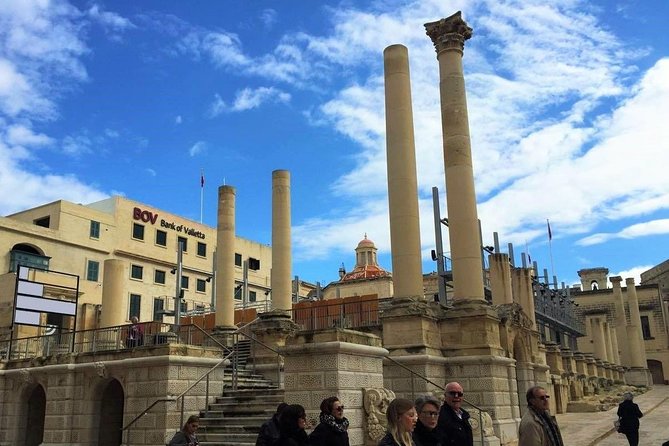
- The Royal Opera House shell: when culture becomes a war wound
- Victory Kitchens and community survival under bombing pressure
- Valletta’s wartime tunnels: shelter and the engineering of survival
- Named events on the route: Grand Harbour, Illustrious Blitz, San Marija Convoy
- Fort St Elmo’s National War Museum: the guided hour that makes it stick
- Price and walking logistics: what you’re really paying for
- The guide factor: storytelling that connects Malta’s past to the streets
- What you should do before and after the tour
- Should you book the Valletta WWII private walking tour?
- FAQ
- What does this tour include?
- How long is the Valletta World War II private walking tour?
- How many people are in each group?
- Where does the tour start and end?
- Is the National War Museum ticket included?
- What language is the tour offered in?
- Is hotel pickup included?
- What should I wear or bring?
- What if I need to cancel?
- When should I expect confirmation after booking?
Key things that make this tour worth your time
- Private, small-group feel: up to four people, so the story stays personal rather than rushed.
- Siege Bell + Grand Harbour viewpoints: you see key memorial locations tied to Malta’s most intense bombing years.
- Ruined Royal Opera House: wartime damage becomes part of the city’s walking route.
- Victory Kitchens and tunnels: you learn how locals coped day to day, not just the big battles.
- Illustrious Blitz and convoy stories: multiple named events help you understand the war’s rhythm.
- Fort St Elmo museum visit is guided: you spend about an hour inside with your guide, not just browsing alone.
More Valletta walking tours we have followed through the old streets
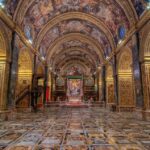
- Valletta: Guided Walking Tour with Optional Cathedral Tour
★ 4.3 · 758 reviews - The Valletta Street Food and Culture Walking Tour
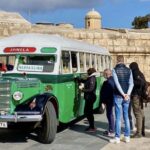
★ 5.0 · 711 reviews - Valletta: Vintage Bus to Valletta, Sliema, Rabat & Mdina
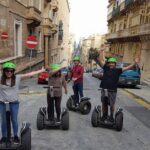
★ 4.1 · 433 reviews - Valletta Segway Tour and The Malta Experience
★ 5.0 · 397 reviews
Valletta’s WWII story starts near the City Gate
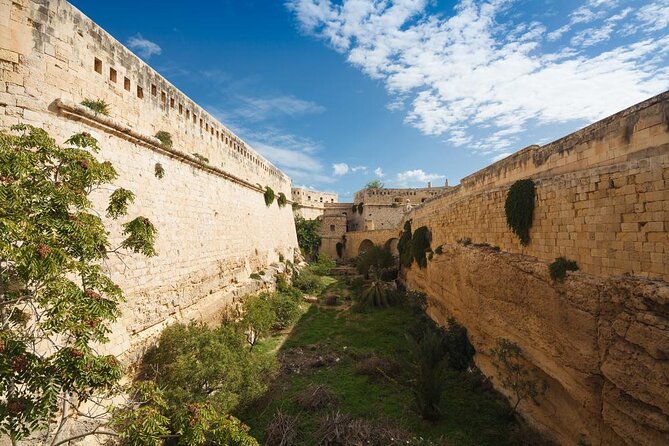
Your tour begins in central Valletta at the City Gate area, a good spot to get your bearings fast. From here, the honey-colored streets do something sneaky: they look timeless, but your guide ties them to the years when the island was under relentless attack.
This isn’t a tour that throws dates at you and walks away. It’s built around real places tied to 1940 to 1942, when Malta became a key stepping stone in the Axis fight for North Africa.
Siege Bell Memorial and the Grand Harbour: seeing the war from above
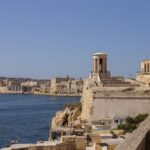
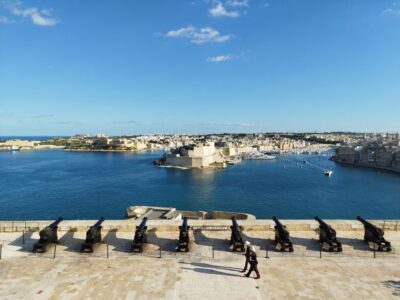
One of the most powerful stops comes when you reach the Siege Bell Memorial overlooking the Grand Harbour. It’s the kind of view that makes you understand why Valletta mattered so much.
Your guide connects the monument to the wider story: the island endured sustained bombardment as Axis forces aimed to bomb or starve the population into submission. You’ll learn how Malta’s survival against the odds turned into an inspiration, not just for the people living it, but for the wider war effort.
If you like history that includes geography, this part is for you. The harbour isn’t just scenery here. It’s a clue to how the conflict played out day after day.
The Royal Opera House shell: when culture becomes a war wound
As you walk, you’ll get to see the gutted, ruined Royal Opera House. It was destroyed in a 1942 bombing raid, and your guide places that damage in context rather than treating it like a random photo stop.
You’ll also hear about how Malta’s experience wasn’t only about military action. It was about trying to keep normal routines alive while the city was being hit again and again.
This stop can feel heavy, but it’s also oddly clarifying. You come to understand how war doesn’t just destroy buildings. It breaks patterns people rely on.
More Maltese Islands walks through the honey-stone streets


Victory Kitchens and community survival under bombing pressure
A big theme of the tour is how locals tried to keep life moving while supplies and safety were constantly under threat. That’s where the story of the Victory Kitchens comes in, along with the concept of “community kitchens” set up to feed people.
Your guide explains what those kitchens represented: a practical response to scarcity and fear. It’s one of those details that turns the war from an abstract headline into something closer to daily reality.
This is also where the tone matters. The guides leading this tour are described as personable and story-driven, which helps you stay engaged without feeling like the moment is being turned into drama for attention.
Valletta’s wartime tunnels: shelter and the engineering of survival
You’ll learn about tunnels built under Valletta to shelter residents during air raids. Even if you don’t physically explore every tunnel detail, your guide uses the city layout to explain why underground shelter mattered so much.
The value here is perspective. When you understand where people hid, how they moved, and why the layout mattered, the city stops being a postcard. It becomes a lived-in survival system.
If you’re the type who hates tours that end with a final stop and no practical takeaway, this section will help. You’ll leave knowing how ordinary people adapted fast when normal life broke down.
Named events on the route: Grand Harbour, Illustrious Blitz, San Marija Convoy
As you walk, you’ll hear the story in named chunks, so you can keep track of what happened when. Key events you’ll connect to the sites around Valletta include the Battle of Grand Harbour and the Illustrious Blitz.
You’ll also learn about the San Marija Convoy, which adds another angle to the story: the struggle to protect and deliver supplies to the island. That theme connects directly to what you’ll see later at the museum, so it’s not just trivia.
One smart move for your brain: ask your guide to connect one event to the feeling of that day in the city. When the guide does this well, the conflict starts to sound like a chain of cause and effect instead of separate set pieces.
Fort St Elmo’s National War Museum: the guided hour that makes it stick
The tour includes a guided visit to the National War Museum at Fort St Elmo. It lasts about an hour, and the museum admission ticket is not included in the tour price.
This is the point where the walking story becomes “why it matters.” Inside, you’ll see exhibits and audio-visuals focused on Malta’s ordeal during WWII, including the pressure of getting supplies to the island.
The museum stop is also where you’ll see the 1942 George Cross awarded to the population for courage. Even if you know the medal name already, having the tour guide connect it to the sites you just walked past makes it feel earned, not ceremonial.
If you care about emotion and context, don’t treat this as a quick add-on. Plan to give it your full attention. Your guide will help point you toward the exhibits that matter most to Malta’s story.
Price and walking logistics: what you’re really paying for
The price is $373.48 per group (up to 4) for about 3 hours. That sounds high until you do one simple math step:
- If you book as 4 people, it’s about $93 per person.
- If it’s just 2 people, it’s about $187 per person.
Where the value shows up is in the private guide attention. This is not a big-pace group tour where you spend half your time dodging other people. Guides are able to slow down, take breaks, and tailor the pacing to your interests.
Timing-wise, this is often booked around a month in advance, so if you’re visiting during a busy period, don’t wait too long.
And yes, you should be ready for walking: moderate physical fitness is recommended, and you’ll be on hard stone with uphill sections and some stairs. Bring water. Use sunscreen if it’s warm.
The guide factor: storytelling that connects Malta’s past to the streets
A standout pattern from past guests is that the guides bring real passion, and you feel it quickly. Guides named Matthew and Mario have been mentioned as leading this experience, with Mario described as a retired history teacher who shares firsthand family accounts from wartime life.
That matters. WWII tours can turn into a list of raids and dates. This one aims for continuity: you move from street to memorial to museum with the same story thread tying it together.
If you like asking questions, this is a strong fit. It’s private, and your guide can respond with detail instead of watching the clock while you’re stuck behind a group.
What you should do before and after the tour
Before you go, wear shoes you trust. The route is in Valletta’s stone streets, and you don’t want to spend the museum hour regretting footwear. If you’re sensitive to heat, plan water and shade breaks.
After the tour, you’ll likely want extra time in the Fort St Elmo area since you’re ending right there. The museum stop makes the rest of the fort setting feel more meaningful, not less.
If you have one extra day and you’re a history lover, you might add other WWII-focused sites in Valletta. One good example mentioned alongside this tour is the Lascaris area and war headquarters tunnels, which can pair well with what you learn on the walk.
Should you book the Valletta WWII private walking tour?
Book it if you want WWII history that’s tied to real places you can stand on. This tour works especially well for people who like named events, memorial sites, and the human side of history—tunnels, kitchens, and the daily fight to keep going.
I’d also lean toward booking if you’re the kind of traveler who hates feeling herded. Private guide attention, gentle pacing, and a guided museum visit make it feel focused rather than rushed.
Skip or reconsider if you’re not up for three hours of mostly outdoor walking with hard surfaces and some stairs. If you want a mostly indoor experience, you may find the walking portion tiring.
FAQ
What does this tour include?
This is a private tour with a professional guide. It includes a guided visit to the National War Museum at Fort St Elmo.
How long is the Valletta World War II private walking tour?
The tour runs for about 3 hours.
How many people are in each group?
It’s priced per group up to 4 people.
Where does the tour start and end?
It starts at the City Gate/Victoria Gate area in central Valletta and ends at Fort St Elmo, with the National War Museum stop.
Is the National War Museum ticket included?
No. The museum admission ticket is not included, but the visit is guided as part of the tour.
What language is the tour offered in?
The tour is offered in English.
Is hotel pickup included?
No hotel pickup and drop-off are included.
What should I wear or bring?
Bring comfortable walking shoes. The tour is mostly outdoors and includes uphill sections and some stairs, so it helps to bring water and plan for warm weather if needed.
What if I need to cancel?
The experience is non-refundable and cannot be changed for any reason. If you cancel, you do not get a refund.
When should I expect confirmation after booking?
Confirmation is received within 48 hours of booking, subject to availability.
More Tours in Malta




More Tour Reviews in Malta

More Valletta Walking Tours


Wondering what else is on? More Malta and Gozo trips from our own notebook



Valletta Walking Tours, compared.
 ★ 5.0The Original Valletta Walking TourFrom $262,719 reviews
 ★ 4.7Valletta: 3-Hour Walking TourFrom $251,605 reviews
 ★ 4.8Valletta: Guided City Walking TourFrom $241,256 reviews
 ★ 4.8Valletta: Street Food and Culture Walking TourFrom $651,251 reviews
 ★ 4.9Valletta: City Walking Tour in a Small GroupFrom $24957 reviews
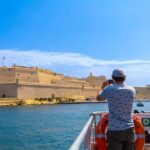
 ★ 4.3From Sliema: Valletta and the Three Cities Scenic CruiseFrom $24763 reviews
 ★ 4.3Valletta: Guided Walking Tour with Optional Cathedral TourFrom $46758 reviews
 ★ 5.0The Valletta Street Food and Culture Walking TourFrom $66711 reviews
Browse the lists this tour appears in