
Reviewed · MEGALITHIC TEMPLES & ANCIENT MALTA
Prehistoric Temples of Malta Tour
Prehistoric Malta hits hard. In just a few hours, you’ll stand inside UNESCO-listed megalithic temples that date back to about 3150 BC. I like how the tour links the big stones with the smaller finds—so it feels like more than just looking at ruins.
I love the combo value here: round-trip transport, a live guide, and entrance fees are included. I also like the way the stops are paced, especially the chance to compare Hagar Qim and Mnajdra back-to-back, instead of treating them like separate day trips.
One drawback to plan for: you’ll do real walking on uneven ground, with an uphill stretch between the temple areas, so comfortable shoes matter more than people expect.
In This Review
- Key things to know before you go
- Why Malta’s megalthic temples feel like a time machine
- Morning pickup and the practical flow of a half-day temple run
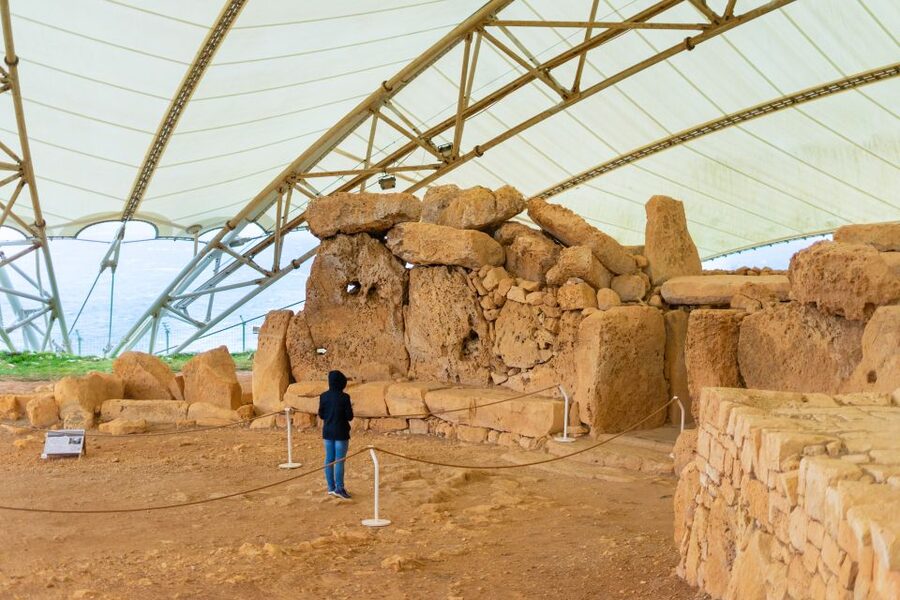
- Hagar Qim: soft limestone, big stones, and that ridge-top feeling
- Mnajdra Temples: Malta’s megalithic architecture that still reads clearly
- Hamrija Tower views and the walk between temple areas
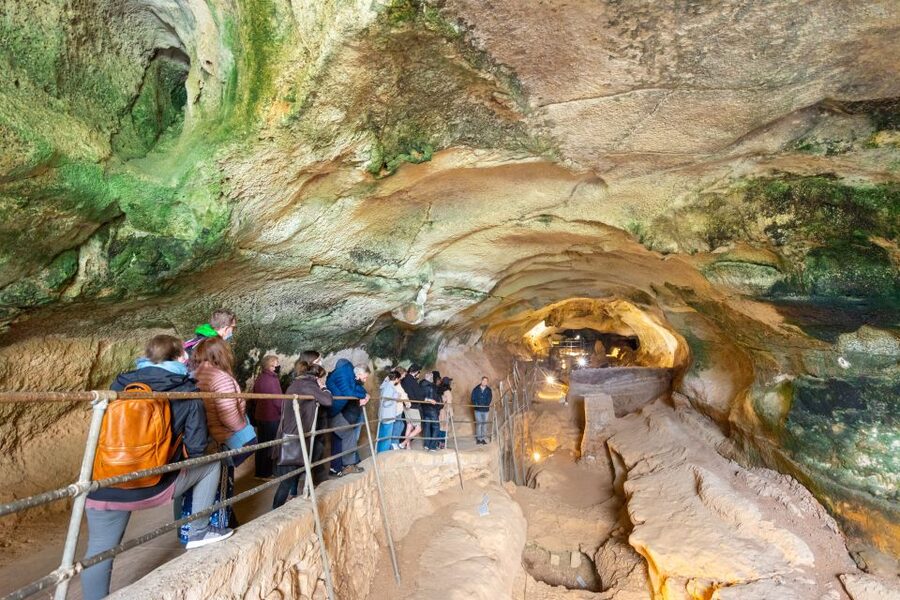
- Ghar Dalam Cave & Museum: prehistoric bones and a reality check about caves
- Price, guide quality, and what to watch for with transport
- Should you book this Megalithic Temples of Malta tour?
- FAQ
- How long is the Prehistoric Temples of Malta Tour?
- What does the $59 per person price include?
- Where are the pickup times and locations?
- Do I need tickets in advance?
- What sites are visited on this tour?
- Is the tour guided?
- Is hotel pickup and drop-off included?
- What should I wear or bring?
- How does cancellation work?
- Is there a way to book without paying immediately?
Key things to know before you go
- Hagar Qim’s ridge setting: built on soft globigerina limestone, with Mediterranean garrigue all around.
- Mnajdra’s surviving stonework: often described as the best example of Maltese megalithic architecture still standing.
- Ghar Dalam Cave & Museum focus: the museum is a big part of the payoff, not just the cave visit.
- Hamrija Tower viewpoints: you pass/see it nearby, one of Malta’s 13 watchtowers tied to Grand Master Martin de Redin.
- Early morning pickups: you’ll start around 08:30–09:10 depending on where you board, then work through the sites efficiently.
More Maltese temple and prehistory tours we have stood among the stones on
- From Malta: Gozo Day Trip Including Ggantija Temples
★ 4.2 · 2,399 reviews - From Malta: Gozo Full-Day Tour with Guide, Temples, & Train
★ 4.1 · 567 reviews - Prehistoric Temples of Malta Tour
★ 4.2 · 517 reviews - Malta: Prehistoric Temples and Highlights of the South
★ 4.3 · 254 reviews
Why Malta’s megalthic temples feel like a time machine
Malta’s prehistoric temples are not a “nice ruins” kind of stop. These are the kind of structures that make you look at stone differently. The megalithic temples of Malta go back roughly 5,500 years, and they’re often highlighted as the oldest free-standing stone structures in the world.
That age shows up in how the sites are built and how they sit in the environment. At Hagar Qim, the blocks are set into a ridge topped with soft globigerina limestone. It’s a reminder that this wasn’t marble-polish luxury—this was local stone, local labor, and serious planning. Then at Mnajdra, you get another angle on the same ancient mindsets: design, alignment, and craft that still reads clearly even after thousands of years.
The tour also helps you connect prehistory with geography. You’ll be in the southern part of Malta’s heritage park area, where the land looks stark and scrubby (Mediterranean garrigue). That matters because it’s part of understanding how people lived and built here, long before modern roads ever existed.
Morning pickup and the practical flow of a half-day temple run
This is a half-day tour designed for people who want maximum payoff without renting a car. The itinerary runs about 4.5 hours (it’s also described as a 5-hour archaeological tour in how it’s framed), and it’s built around moving from one major site to the next with transportation handled for you.
Pickups start early. You’ll get a pickup email the day before with your exact point and time, and boarding timing depends on your location—examples include Cirkewwa at 08:30, Mellieha at 08:40, and Valletta around 08:40, with other stops stretching into the 09:10 window. The earliest departures are ideal if you want to beat heat and crowds.
On the ground, the pace is efficient but not frantic. You’ll have guided time at each main site and also some walking between them. Expect uneven surfaces and stairs in temple areas. A few reviews mention buses that felt less than perfect at times, but the most consistent theme is that the tour is organized enough that you don’t have to plan the timing yourself.
If you’re traveling as a history-first person or you only have a morning to spare, this kind of organized route is exactly what you want.
Hagar Qim: soft limestone, big stones, and that ridge-top feeling
Hagar Qim is one of those places where you realize size isn’t everything. What grabs you first is the setting: the temples sit on a ridge on the southern edge of Malta, and the stone is globigerina limestone. The texture and color matter because this limestone shapes how the carvings and surfaces survive.
You’ll explore the temple complex with an expert guide who explains what you’re seeing—how the stonework is laid out and what the site tells us about prehistoric life. The carvings and architectural details are the star, but the guide’s job is to help you “read” the space, not just admire it. One of the best things about this tour format is that you’re not left wandering with a vague brochure in your hand.
Practical note: this stop is part of a heritage park area with scrubby ground around it, and you’ll likely walk across rougher terrain. Bring the kind of shoes you’d wear for an actual site visit, not just for sightseeing in town. Comfortable footwear isn’t a suggestion here—it’s the difference between enjoying the place and rushing through it.
And there’s one more reason Hagar Qim works well on a half-day: it sets context before you jump to the next site. If you come here first (as planned), you’re better able to compare later at Mnajdra.




Mnajdra Temples: Malta’s megalithic architecture that still reads clearly
If Hagar Qim is the warm-up, Mnajdra is where the stonework starts to feel almost too precise for something this old. Mnajdra is commonly considered the best example of Maltese megalithic architecture still standing, and the guide walkthrough is what makes that claim meaningful instead of abstract.
Here, you’re not just seeing large blocks. You’re seeing the way the builders shaped openings, chambers, and the overall plan. The result is that you can stand in the same area and feel the difference between “big rocks” and designed architecture.
This is also where the setting starts to hit. Mnajdra’s position gives you those Mediterranean sky-and-sea vibes people often remember from Malta. Even if you’re not a sunset person, the light can make carvings and surfaces easier to notice. It’s one of the few times on a tour where your surroundings help explain the site.
One caution: there’s often a walk involved between temple areas. Reviews mention a decent walk and that the return can be uphill, so don’t plan to treat this as a slow stroll.
If you want to leave with at least one site feeling truly iconic—and not just historically important—Mnajdra is the one that often delivers that feeling.
Hamrija Tower views and the walk between temple areas
Between the temple stops, you get more than just movement time. The tour includes Hamrija Tower, one of Malta’s 13 watchtowers, built by Grand Master Martin de Redin. It’s not a long “tower museum” detour. Instead, it’s a historical add-on that helps you see how Malta’s coastline and visibility mattered in later periods, after the prehistoric era.
That contrast is useful. You’re seeing two different ways of using stone and strategic placement. Prehistoric temples are about ritual space. Watchtowers are about watching and control. Even at a distance or during a viewpoint moment, it widens the story.
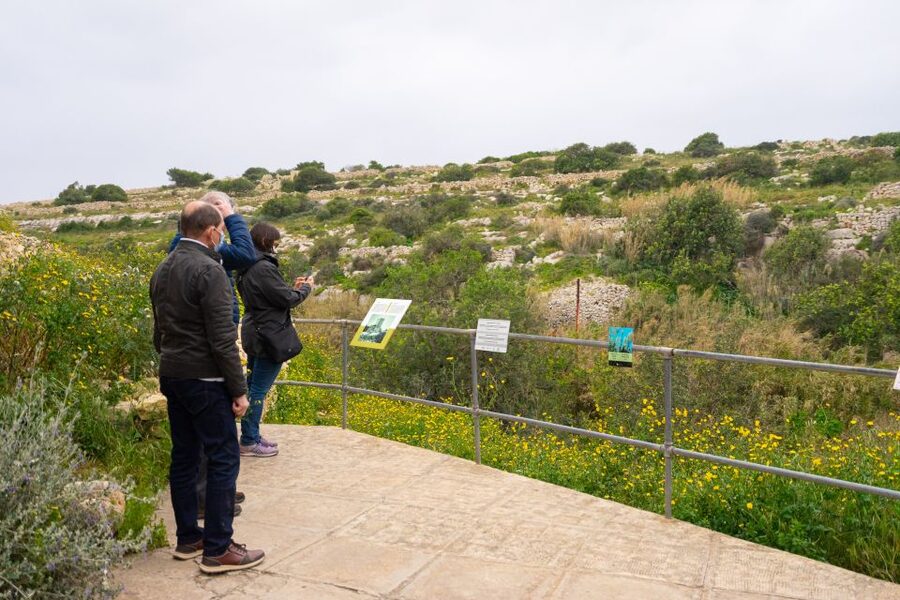
The other part of this section is the walking. The route between Hagar Qim and Mnajdra includes a decent stretch, and at least one review notes it can be uphill on the way back. Another review even suggests you’ll likely rack up steps. So, come ready to move.
Here’s my practical advice: bring water if you’re visiting in warm weather, even if the tour doesn’t explicitly say so. Your guide can also tell you if there’s water available nearby at each stop.
Ghar Dalam Cave & Museum: prehistoric bones and a reality check about caves
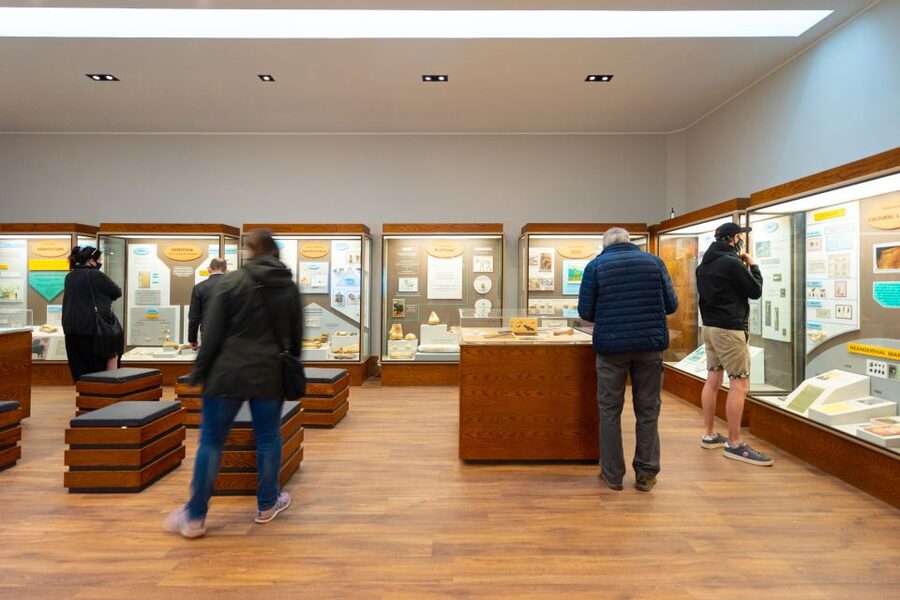
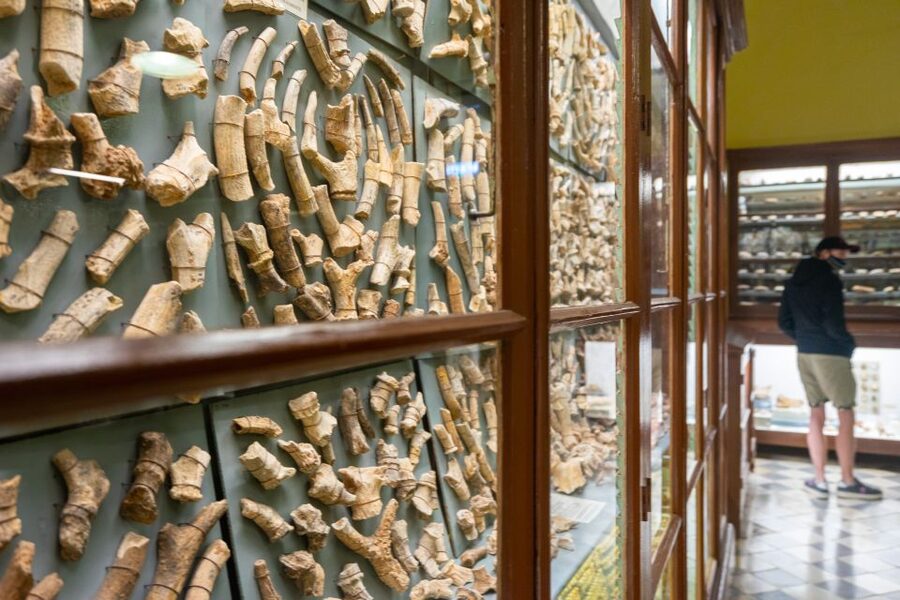
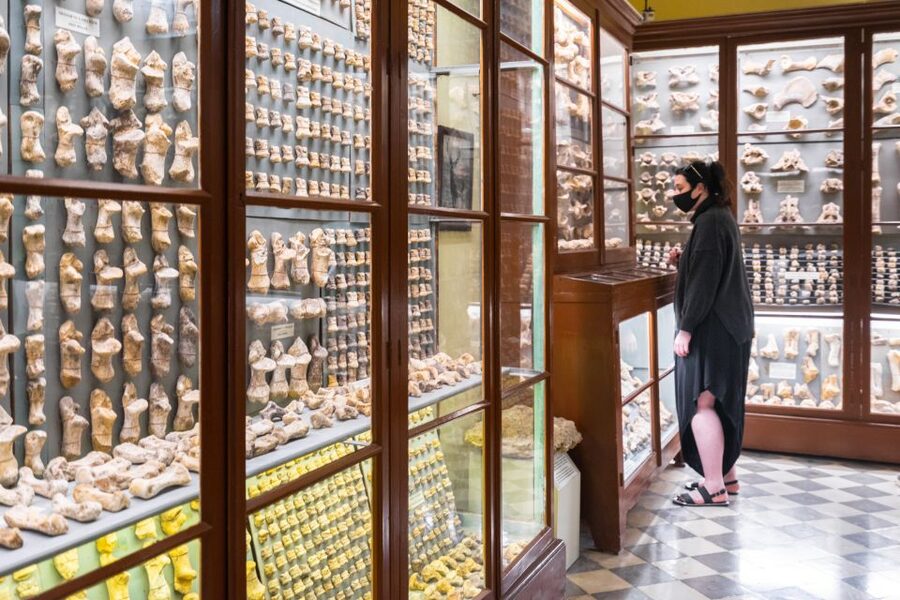
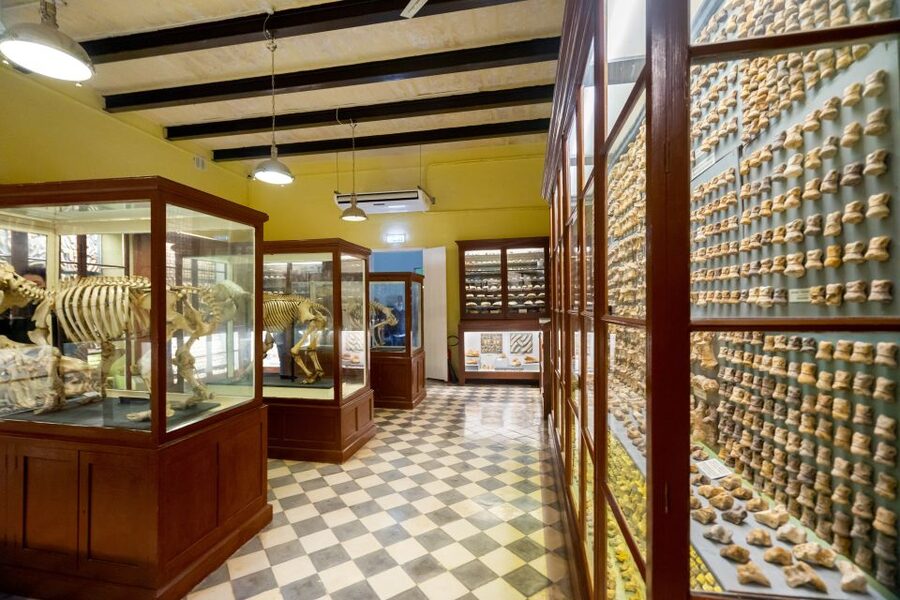
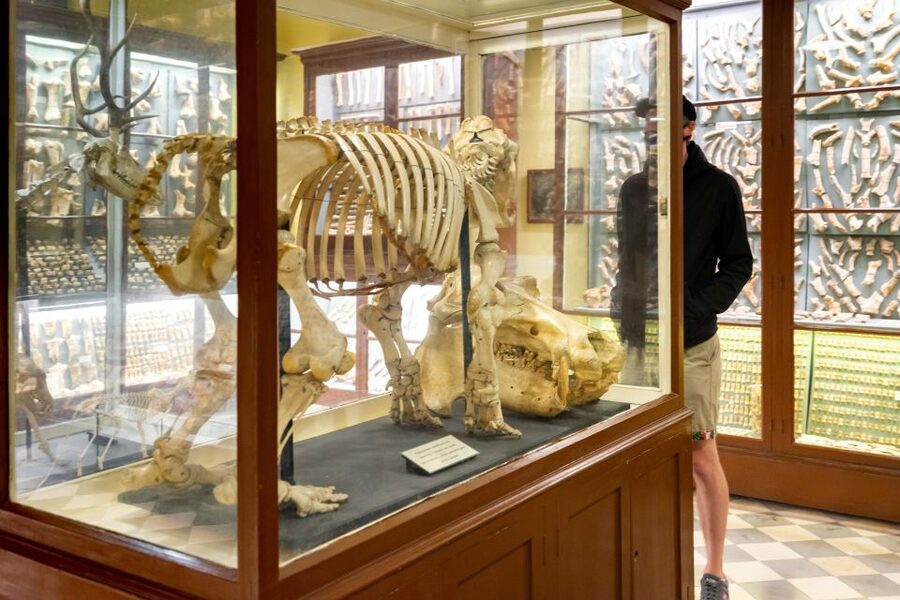
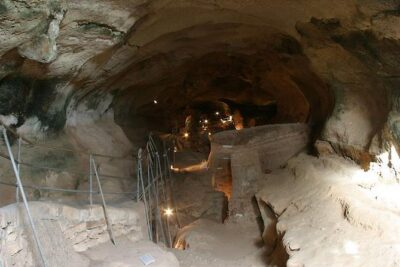
Ghar Dalam Cave & Museum adds a different kind of evidence to the trip. The temple stops show you architecture. The cave and museum show you what lived here—through remains and artifacts.
The cave visit is part of the experience, but the museum is where you’ll often get the emotional payoff. Reviews highlight the museum collections of bones and skeletons of species from prehistoric Malta. That shift matters because it turns prehistory from “people built big things” into “this is what their animals were, and their world looked like.”
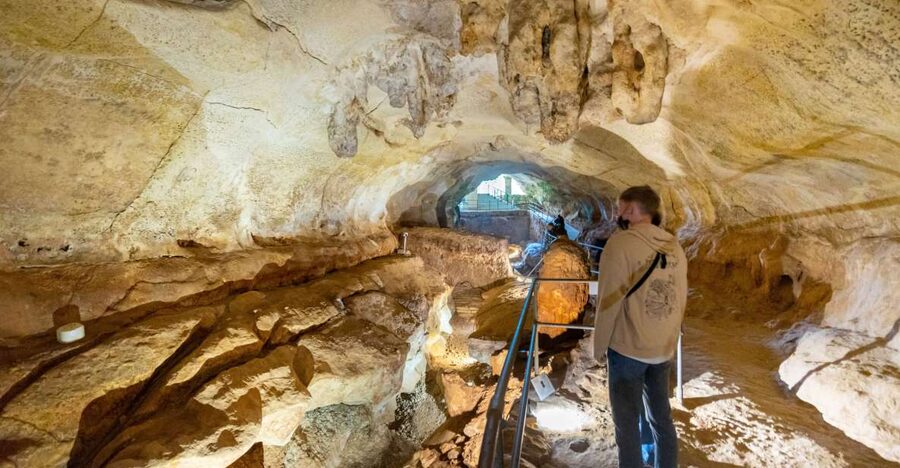
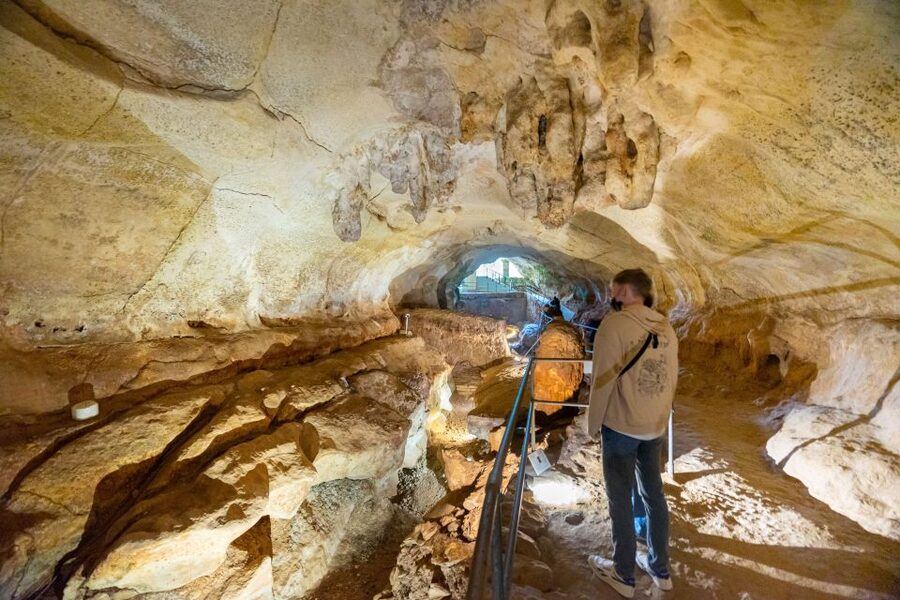
Now, a balanced note: the cave itself may feel smaller or less visually dramatic than some people hope. One review specifically mentioned the cave not offering the kind of stalactites or lakes that some travelers expect, and that the museum did most of the heavy lifting.
So if you’re deciding whether this tour is for you, think of it like this: you’re not signing up for a postcard cave. You’re signing up for an evidence-based look at Malta’s prehistoric environment, then taking that context to the temples.
Price, guide quality, and what to watch for with transport
At $59 per person, this tour can feel like a bargain or like a stretch, depending on what you’d otherwise pay to plan it yourself. The good news is that the price includes transportation, a live guide, and entrance fees for Ghar Dalam Cave & Museum, Hagar Qim, and Mnajdra. For a half-day with multiple ticketed sites, that bundling helps.
The main variable isn’t the sites. It’s the guide and how the group experience runs. Many reviews praise guides such as Mark and Mario for being clear and engaging, and one review mentions Marco as an archaeologist who explained site physics and also flagged walking demands. Others praise multilingual explanations in English, Italian, French, and German depending on the group.
Also, pay attention to the transport notes. Some reviews describe comfortable, air-conditioned buses and careful drivers. Others mention a driver who felt intense or a bus that seemed run-down. None of that changes the sites, but it affects your comfort level—especially early in the morning.
My take: if you like archaeology and want someone to help you interpret what you’re seeing, the price makes sense. If you mainly want “wandering time” without any guidance, you might feel it’s pricier than you need.
Should you book this Megalithic Temples of Malta tour?
Book it if:
- You have limited time and want Hagar Qim + Mnajdra + Ghar Dalam in one smooth morning.
- You enjoy guided interpretation, especially when comparing two prehistoric temple sites.
- You want a setup with tickets handled and pickup included so you don’t waste your Malta morning on logistics.
Skip it or choose carefully if:
- You hate walking on uneven ground or you want a very long, slow visit at each temple.
- You’re sensitive to bus comfort variations. This tour is transport-included, but vehicle conditions can vary.
If you’re the “I want the highlights with context” type of traveler, this is a solid way to see Malta’s prehistoric core without turning your day into an organization project.
FAQ
How long is the Prehistoric Temples of Malta Tour?
The duration is listed as 4.5 hours, and it’s also described as a 5-hour archaeological tour depending on timing.
What does the $59 per person price include?
It includes transportation, a live guide, hotel pickup and drop-off, and entrance fees for Ghar Dalam Cave & Museum, Hagar Qim Temples, and Mnajdra Temples.
Where are the pickup times and locations?
You’re picked up from several areas with early start times. Examples include Cirkewwa at 08:30, Mellieha at 08:40, Valletta at about 08:40, and stops such as St. Julian’s and Bugibba later in the 09:10 range.
Do I need tickets in advance?
No. Entrance fees for the key sites are included in the tour price.
What sites are visited on this tour?
You’ll visit Hagar Qim Temples, Mnajdra Temples, and Ghar Dalam Cave & Museum. Hamrija Tower is also included as a nearby stop/view.
Is the tour guided?
Yes, it includes a live tour guide. Languages offered are English, German, Italian, and French.
Is hotel pickup and drop-off included?
Yes. Hotel pickup and drop-off are included.
What should I wear or bring?
Wear comfortable shoes since the sites involve walking on uneven ground.
How does cancellation work?
Free cancellation is available up to 24 hours in advance for a full refund.
Is there a way to book without paying immediately?
Yes. The option is Reserve now & pay later, so you can book your spot and pay later.
More Tours in Malta






More Tour Reviews in Malta



More Megalithic Temples & Ancient Malta




Wondering what else is on? More Malta and Gozo trips from our own notebook





Megalithic Temples & Ancient Malta, compared.
 ★ 4.2From Malta: Gozo Day Trip Including Ggantija TemplesFrom $922,399 reviews
 ★ 4.8Mdina and Rabat Walking Tour with CatacombsFrom $291,126 reviews
 ★ 4.1From Malta: Gozo Full-Day Tour with Guide, Temples, & TrainFrom $82567 reviews
 ★ 4.0Gozo Guided Day Trip Incl. Ggantija Temples and LunchFrom $93368 reviews
 ★ 5.0Mdina and Rabat Walking Tour inc. Catacombs and St. Paul’s GrottoFrom $30341 reviews
 ★ 4.3Prehistoric Temples and Highlights of the SouthFrom $86254 reviews
 ★ 3.9Gozo Full Day visiting Ggantija Temples, Salt Pans & DwejraFrom $79112 reviews
 ★ 4.0Malta Prehistoric Temples TourFrom $5987 reviews
Browse the lists this tour appears in