
Reviewed · MEGALITHIC TEMPLES & ANCIENT MALTA
Malta Prehistoric Temples Tour
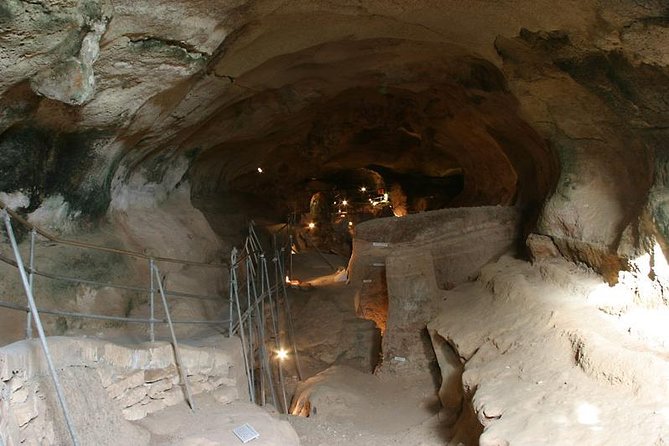
Prehistory on Malta starts with bones and stone. I love the way Ghar Dalam Cave turns science into something you can picture, and I love that the tour pairs it with two UNESCO temples: Hagar Qim and Mnajdra. It is also good value because you get pickup, live commentary, and the temple tickets in one set price.
One thing to plan for: the visit windows are short, so if you want extra time for photos, museum browsing, or a slower stroll, you may feel a bit rushed—especially if your pickup spot adds extra bus time.
In This Review
- Key highlights worth your attention
- Ghar Dalam Cave and Museum: where “ancient Malta” gets real
- Hagar Qim and Mnajdra: two UNESCO sites, one big “how did they do that?” question
- What $59.91 buys you: tickets, pickup, and the value of a tight half day
- Timing and pickup: how to avoid losing your best minutes
- Live commentary: helpful context, not just dates and names
- Where you’ll spend your time at each stop (and what to watch for)
- Transport comfort and the “bus reality” of Malta
- What to bring: small things that prevent a big headache
- Who this tour fits best
- Should you book this Malta prehistoric temples tour?
- FAQ
- What is the duration of the Malta Prehistoric Temples Tour?
- Where does the tour start, and what time does it begin?
- What are the main stops during the tour?
- Are entrance fees included?
- What is the tour price?
- Is the tour food or drinks included?
- Is there free cancellation?
Key highlights worth your attention
- Ghar Dalam Cave and Museum with some of the earliest evidence of humans on the island
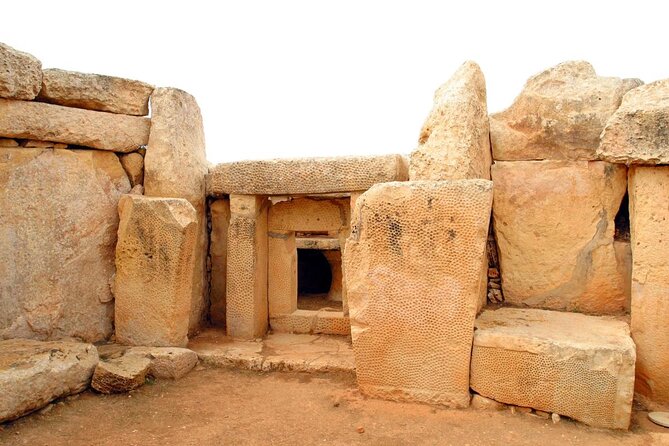
- UNESCO Hagar Qim and its massive megalithic temple complex
- Mnajdra Temples with limestone architecture aligned to the equinoxes and solstices
- Tickets included for all three stops, so you are not doing ticket math mid-trip
- Hotel pickup and drop-off across popular northern and central areas of Malta
More Maltese temple and prehistory tours we have stood among the stones on
- Malta Prehistoric Temples Tour
★ 4.0 · 87 reviews - Gozo Full Day visiting Ggantija Temples, Salt Pans, Dwejra
★ 3.0 · 53 reviews - Discovering Gozo Full Day incl. Guide, Train & Ggantija Temples
★ 3.0 · 45 reviews - Southern Malta: Blue Grotto, Hagar Qim, and Marsaxlokk Tour
★ 4.7 · 35 reviews
Ghar Dalam Cave and Museum: where “ancient Malta” gets real
Ghar Dalam is where Malta’s story gets specific, not just postcard-cool. You start at the cave and museum, where archaeologists have uncovered traces of human activity going back about 7,400 years, plus animal bones that are described as the earliest evidence of humans found on the island.
What I like about this stop is how it connects layers of time to physical evidence you can see. You will learn how scientists excavate the cave layer after layer to understand how people lived as the island changed over centuries.
You also get a breather right nearby with a garden planted with indigenous species and trees. It is a nice counterpoint after indoor exhibits, and it helps you reset before heading up to the temple sites.
Hagar Qim and Mnajdra: two UNESCO sites, one big “how did they do that?” question
After Ghar Dalam, the tour moves to the temples perched on a hill along Malta’s southern edge. This is where the megalithic sites stop being just old rocks and start feeling like organized spaces made for ritual, observation, and meaning.
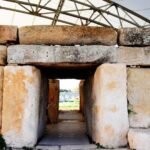
At Hagar Qim, you are looking at a megalithic temple complex that is among the oldest religious sites on Earth. Even if you are not a hardcore archaeology person, it is hard not to stare at the sheer mass of the structure and imagine the work it took to build and maintain it.
Then it is on to Mnajdra, which sits nearby and offers more ancient architecture to compare. The standout detail here is that Mnajdra includes a limestone temple that aligns with the equinoxes and solstices, which turns your visit into a light-and-geometry moment. You do not need to be an astronomer to enjoy it. The way the alignments are explained makes you think about how carefully people watched the sky.
Walking between the temple areas is part of the experience. One practical note from real-world visits: some people have mentioned that an electric car option on-site was helpful, so if you have mobility limits, ask on arrival what support is available.
What $59.91 buys you: tickets, pickup, and the value of a tight half day
The price is $59.91 per person, and the big value move is that your ticket costs are handled for you. You are paying for a half-day format, but you are also getting entrance included for Ghar Dalam, Hagar Qim, and Mnajdra, plus live commentary and pickup/drop-off.
This matters because Malta prehistoric sites can be spread out, and self-planning can eat time quickly—especially if you are also trying to see Valletta or the waterfront on the same trip. Here, the route is built for one morning with minimal decision-making.
You should also be aware that “half-day” is not the same as “equal time on-site.” Your total time is about 4 to 5 hours, and part of that is transport plus transitions. In practice, that means you’ll see the highlights, but you will not linger like you might at a museum in a large city.


Timing and pickup: how to avoid losing your best minutes
The tour starts at 8:30 am. Pickup is offered from multiple areas around the island, with timing that varies by neighborhood, including Cirkewwa (0830), Mellieha (0840), Xemxija and Golden Bay (0850), St. Paul’s Bay (0900), Bugibba/Qawra (0905–0910), and central hubs like Sliema (0855) and Valletta (0840).
That range of pickup times is your clue to plan smart. If you are far from the start edge of the route, you might spend more time sitting on the bus than you expect, even though the tour is labeled half-day.
Also, the group size caps at 40 travelers. That sounds manageable, but if you are sensitive to crowding at viewpoints (temple exteriors get busy), you may want to aim for early arrival at each stop when the group first disperses.
Live commentary: helpful context, not just dates and names
This tour includes live commentary on board, offered in English, and it is designed to keep the prehistoric story moving. The cave helps you understand human presence through physical evidence, while the temples shift you from “when” to “why” people built these places.
I also like that some guides bring a teaching style that makes the material stick. In past departures, guides such as Mario and Mark have been mentioned for clear explanations, and Mario has been described as a former history teacher, which usually means you get structure instead of a list of facts.
That said, not every voice clicks the same way for every ear. One comment flagged that English could be hard to follow, and another wished the tour had more cohesive storytelling. If you are picky about how history is narrated, try to sit where you hear the guide best—this is one of those tours where your seat location can affect your enjoyment.
Finally, if you are hoping for headphone-style commentary, know that some people have felt the listening setup on the bus is not ideal. Even when you have live narration, it can be a lot to concentrate on during driving time.
Where you’ll spend your time at each stop (and what to watch for)
You can think of the day as three chapters with relatively tight transitions.
Stop 1: Ghar Dalam (about 1 hour). This is your science chapter: cave and museum first, then time to walk the nearby garden area with indigenous plants. Bring a camera, but also bring patience for museum time—this is where the story is anchored.
Stop 2: Hagar Qim (about 1 hour). This is where your “how did they build this?” brain kicks in. You’ll see the megalithic temple complex and take in the stonework from the viewpoints you can access within the time window.
Stop 3: Mnajdra Temples (about 1 hour). This is the alignment chapter. The tour focuses on the limestone temple and its equinox/solstice alignment, which makes the walk feel more purposeful than a quick exterior glance.
Across the whole morning, a recurring theme is that the schedule is efficient. Some people still wished for a few extra minutes at each stop, so if you love gift shops, museum corners, or slow photography, you may need to decide what you can skip.
Transport comfort and the “bus reality” of Malta
The transport part of the tour is what most affects your comfort, even when the stops are great. Pickup happens at hotels or nearby points, and you return to your original departure point at the end.
Some departures have used different vehicles, and a couple of comments have noted confusion when switching buses. That is not something you can fully control, but you can control your approach: keep your eyes open for any transfer instructions, and give yourself a little buffer in your schedule so you do not feel stressed if there is a reshuffle.
A few visitors also mentioned the absence of a toilet on the bus, which can matter when a morning tour includes short visits. If you are timing bathroom stops around the sites, plan to do it during your allocated time at each location rather than expecting a convenient mid-route option.
What to bring: small things that prevent a big headache
This tour does not include food and drinks, so plan a simple breakfast strategy. If you are starting at 8:30 am, eat before pickup when possible, or bring a snack you can manage before or during the short transitions.
Wear shoes that handle some walking between temple areas. Even when the route is short, you are on uneven ground and you want stable footing for photos.
Bring sunscreen and water if you can. The tour mentions water for purchase in at least one comfort-focused comment, but having your own bottle is still a calmer option.
Because this is a morning out in open areas, consider a light layer too. It can feel cooler early, then warm up once you are outside.
Finally, you will use a mobile ticket. Make sure your phone battery is healthy, and keep the ticket accessible so you are not scrambling at the stop.
Who this tour fits best
This is the kind of Malta tour that suits history lovers who want a focused hit of prehistoric sites without committing to a full day. If you also like astronomy angles—especially the Mnajdra alignment explanation—you will likely enjoy the way the stops connect.
It also works well if you are short on time and based around places like Valletta, Sliema, or the northern bays, because pickup and drop-off reduce your planning effort. One person even mentioned using the return drop-off route to continue exploring Valletta after the morning.
On the other hand, if you want long, quiet site time, this may feel rushed. The tour is built for an efficient flow, so you will get the major highlights, not a slow museum-style day.
Should you book this Malta prehistoric temples tour?
If you want a straightforward way to see Ghar Dalam plus Hagar Qim and Mnajdra with tickets included, this tour is a smart buy. The price makes sense because you are bundling transportation, live narration, and entrance fees into a tight morning plan.
I would book it if:
- you want one guided morning focused on Malta’s earliest chapters
- you like the idea of UNESCO megalithic temples and the Mnajdra equinox/solstice angle
- you appreciate hotel pickup more than you need total freedom
I would pause before booking if:
- you are very sensitive to crowding or need lots of time for photos and gift-shop browsing
- you rely heavily on precise timing and do not handle bus or schedule hiccups well
If you’re in the first group, take it. Malta’s prehistoric story is dramatic, and this tour does a good job of bringing you to the places where that drama is literally carved into stone.
FAQ
What is the duration of the Malta Prehistoric Temples Tour?
It runs for about 4 to 5 hours total.
Where does the tour start, and what time does it begin?
The tour starts at 8:30 am.
What are the main stops during the tour?
You visit Ghar Dalam Cave and Museum, then Hagar Qim, and finally Mnajdra Temples.
Are entrance fees included?
Yes. Tickets to Ghar Dalam, Hagar Qim, and Mnajdra are included.
What is the tour price?
The tour costs $59.91 per person.
Is the tour food or drinks included?
No. Food and drinks are not included.
Is there free cancellation?
Yes. You can cancel for a full refund up to 24 hours before the experience starts.
More Tours in Mellieha





More Tour Reviews in Mellieha





More Megalithic Temples & Ancient Malta


Wondering what else is on? More Malta and Gozo trips from our own notebook






Megalithic Temples & Ancient Malta, compared.
 ★ 4.2From Malta: Gozo Day Trip Including Ggantija TemplesFrom $922,399 reviews
 ★ 4.8Mdina and Rabat Walking Tour with CatacombsFrom $291,126 reviews
 ★ 4.1From Malta: Gozo Full-Day Tour with Guide, Temples, & TrainFrom $82567 reviews
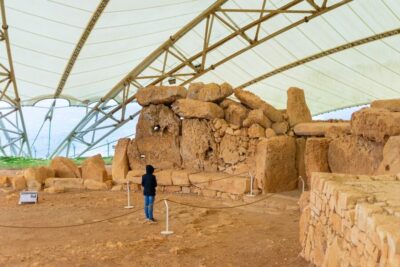 ★ 4.2Prehistoric Temples of Malta TourFrom $59517 reviews
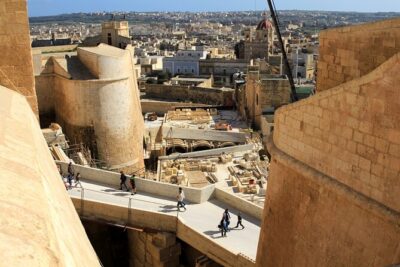 ★ 4.0Gozo Guided Day Trip Incl. Ggantija Temples and LunchFrom $93368 reviews
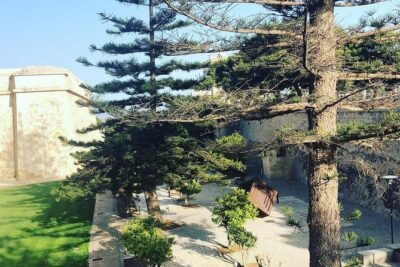 ★ 5.0Mdina and Rabat Walking Tour inc. Catacombs and St. Paul’s GrottoFrom $30341 reviews
 ★ 4.3Prehistoric Temples and Highlights of the SouthFrom $86254 reviews
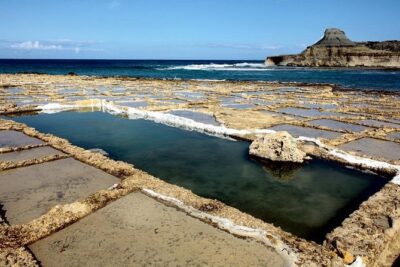 ★ 3.9Gozo Full Day visiting Ggantija Temples, Salt Pans & DwejraFrom $79112 reviews
Browse the lists this tour appears in