
Reviewed · VALLETTA WALKING TOURS
Valletta Black Friars Experience by Hidden Valletta
In Valletta, the Dominican story feels close. I love the access to rare Black Friars artifacts that have been closed off for centuries, and I also like that the experience is self-guided with an audio guide so you can move at your pace. One thing to consider: the on-site video and explanations may be English-first, so if you want more language options, plan accordingly.
You’ll start at St. Dominic Priory, 44c St Dominic Street, then follow the flow to the Valletta Black Friars Experience Museum and on to the Basilica of Saint Dominic. It’s designed for a solid 2-hour visit, and it’s built around story-driven, interactive displays that focus on how the Dominican community shaped the city over roughly 450 years of dramatic change.
In This Review
- Key Highlights at a Glance
- The Dominican Black Friars story, and why it matters in Valletta
- Your 2-hour route: Museum access and the Basilica of Saint Dominic
- Museum time: where the story gets concrete
- Basilica time: history you can stand inside
- Access to artifacts closed for centuries: what you should look for
- The self-guided audio setup: pace, comfort, and attention
- Price and value: is $13 worth it?
- Who should book this Dominican Black Friars experience?
- Accessibility and comfort: planning for your body, not just your itinerary
- Practical tips before you go
- Should you book the Valletta Black Friars Experience?
- FAQ
- How long is the Valletta Black Friars Experience?
- Where do I start the experience?
- What’s included with the ticket?
- Is the experience wheelchair accessible?
- What language is the experience offered in?
- Do I have to pay upfront, and can I cancel?
Key Highlights at a Glance
- Centuries-closed access: You get into spaces and see items that are usually not available.
- Dominican community focus: The story centers on the brotherhoods and everyday human struggles in Valletta.
- Museum + Basilica access: You’re not just reading panels; you move between the experience site and the church.
- Self-guided audio: You control the timing, so you’re not stuck waiting for a group pace.
- A quieter, reflective tone: Several visitors highlight the calm vibe, especially at the start.
More Valletta walking tours we have followed through the old streets
- Valletta: 3-Hour Walking Tour
★ 4.7 · 1,605 reviews - Valletta: Guided City Walking Tour
★ 4.8 · 1,256 reviews - Valletta: Street Food and Culture Walking Tour
★ 4.8 · 1,251 reviews - Valletta: City Walking Tour in a Small Group
★ 4.9 · 957 reviews
The Dominican Black Friars story, and why it matters in Valletta
Valletta can hit you fast with fortifications, viewpoints, and stone everywhere. This experience slows the pace down by shifting your attention indoors—into the lives of the Dominican Community and the brotherhoods that grew from within the Dominican Order.
What makes the story feel worth your time is the way it frames history as human scale, not just dates. You’re guided through the idea that over about 450 years, this community lived through pressure, conflict, and change. That context helps the city’s religious spaces make more sense when you’re standing in Malta later on, because you understand how these institutions were formed by real people under real strain.
I also appreciate the balance of storytelling and object-based learning. When you see artifacts tied to a specific chapter of that long timeline, it’s easier to remember what you learned. And because the experience is set up around interactive displays, it doesn’t feel like a museum lecture.
Your 2-hour route: Museum access and the Basilica of Saint Dominic
This is a self-guided experience that’s designed around about 2 hours total. You begin at the St. Dominic Priory (44c St Dominic Street), then you work through the Valletta Black Friars Experience Museum and the Basilica of Saint Dominic.
Museum time: where the story gets concrete
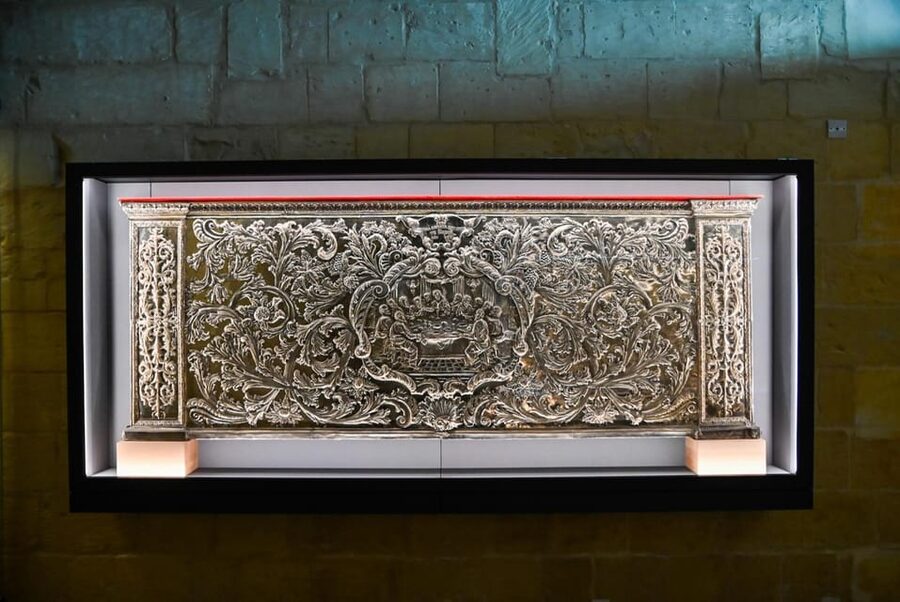
The museum portion is where you’ll spend most of your attention. The key promise here is access—places and artifacts that have been closed off for hundreds of years. That means your visit isn’t just about information you could read on a general church sign. It’s about seeing material connected to the Dominican community that most people never get to encounter.
You’ll also get immersive storytelling and interactive displays. If you like learning that blends narrative with things you can look at, this format usually works well. The museum is also the part most shaped by an opening video/audio intro, and multiple visitors found the start especially strong.


Basilica time: history you can stand inside
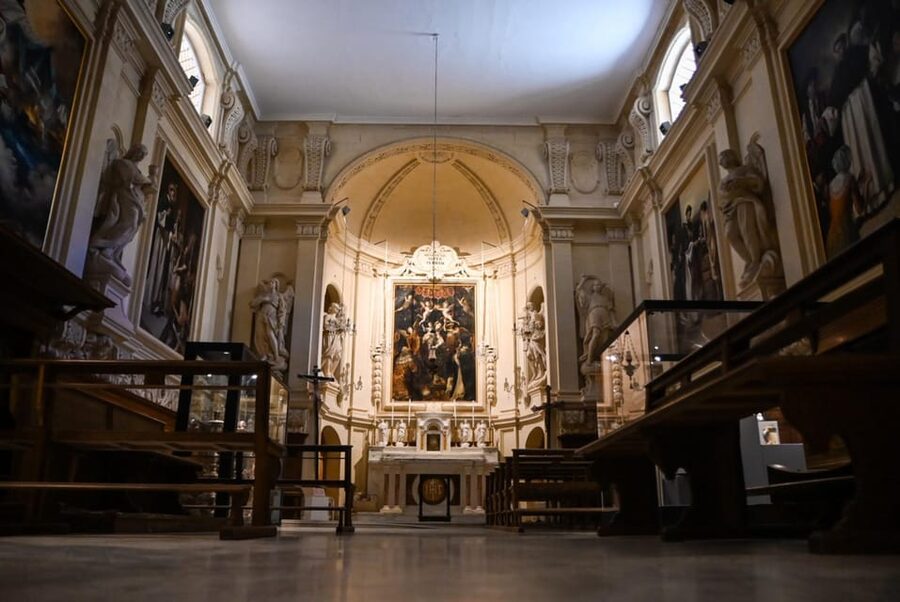
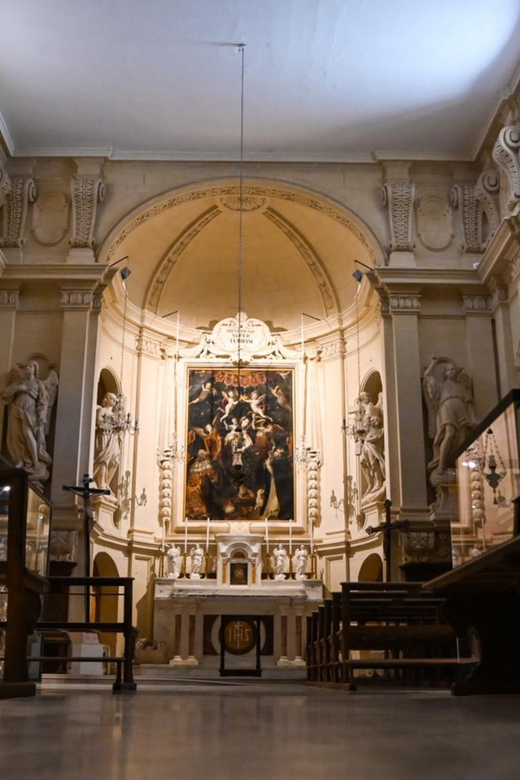
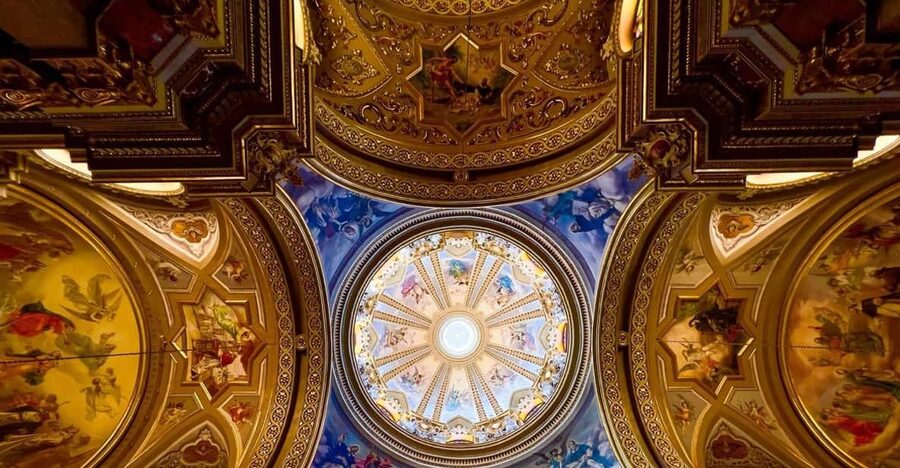
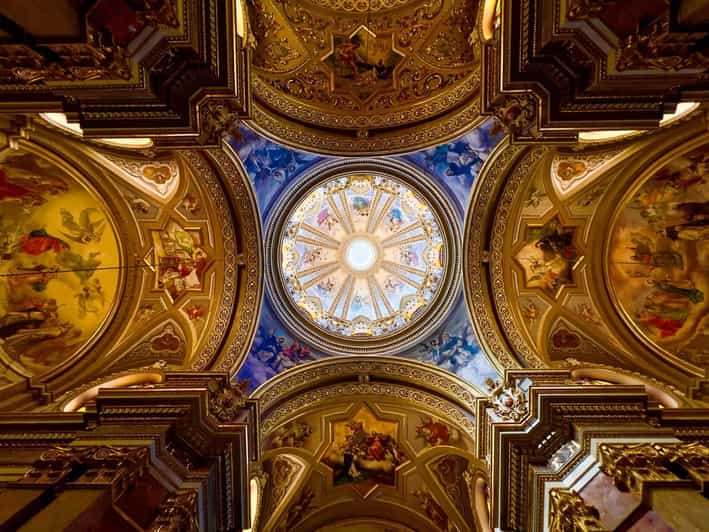
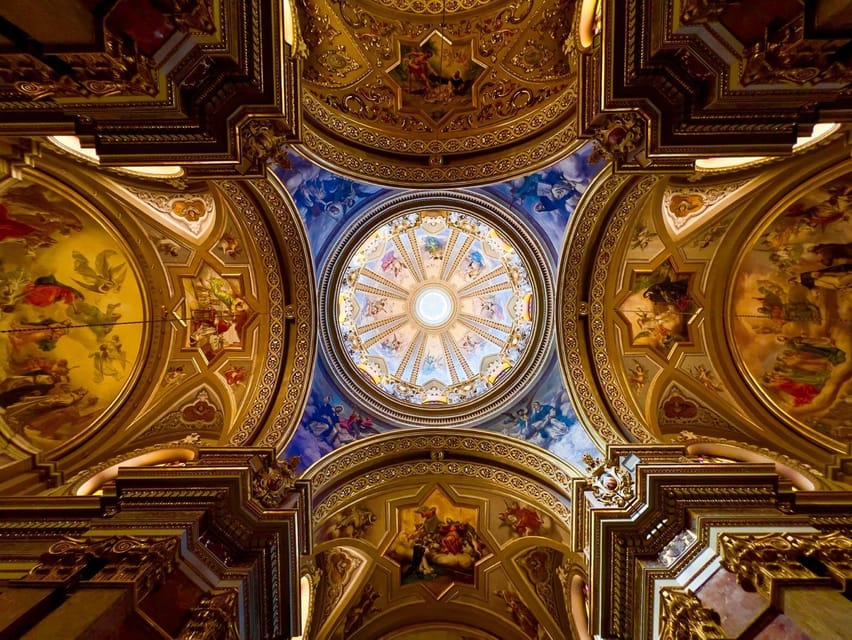
After the museum, you’ll have access to the Basilica of Saint Dominic. This is a smart pairing. Churches are often treated like backdrops for photos, but when you’ve already been oriented to what the community was doing and enduring, the basilica becomes more meaningful.
You’ll likely find yourself connecting what you saw in the museum to what you’re seeing in the church—how the Dominican presence was expressed in sacred space. Even if you’re not a religious-history specialist, the basilica visit helps the experience land as a real place rather than just a collection of explanations.
Access to artifacts closed for centuries: what you should look for
The headline is access to rare artifacts that have been closed off for centuries. That kind of access changes how you read the rooms.
When something is usually locked away, it tends to carry a different kind of presence. Instead of moving quickly through “typical museum objects,” you can slow down and actually look. Here’s what I recommend you focus on during your visit:
- Spend extra time at the objects tied to key moments in the Dominican story. The experience is built around the idea that 450 years of struggle shaped Valletta—objects linked to those phases are usually the emotional core.
- Watch how the displays translate big history into everyday life. The Dominican community story isn’t just theology; it’s people living through pressure and change.
- Let the Basilica visit reframe what you saw. If you understand what the community was experiencing first, the sacred space becomes more than architecture.
Also, remember that this is about access, not size. You’re not trying to “cover everything in Valletta.” You’re making a deliberate stop where you’re allowed to see specific, meaningful material—plus the basilica visit that gives it context.
The self-guided audio setup: pace, comfort, and attention
You’re given an audio guide, and the experience is self-guided. That matters in Valletta, because the city can be windy, hot, and uneven underfoot, and you don’t want your historical learning controlled by someone else’s schedule.
A few practical ways to make the most of self-guided format:
- Start with calm attention at the beginning. Several visitors specifically praised the opening film, so give it a few minutes without multitasking.
- Work in short bursts. Pause, listen, look, then move. If you keep walking without stopping, the story loses momentum.
- Use the audio to fill gaps when signage is brief. The museum setup includes storytelling and interactive displays, but audio helps connect the dots when you’re standing in front of an artifact.
Language note: the experience is listed with English as the language, and there’s a comment that the video could have been in more than just English. So if you rely heavily on subtitles or multilingual options, check your preferences before you go—and consider that the audio guide is in English.
Price and value: is $13 worth it?

At about $13 per person, this falls into the “small price, big focus” category. That’s usually where the best value sits in Valletta: not the cheapest thing in town, but a ticket that buys a targeted experience you can’t easily replicate on your own in a quick search.
Here’s what you’re paying for, in practical terms:
- Museum access to the Valletta Black Friars Experience Museum
- Access to the Basilica of Saint Dominic
- A curated storytelling format with interactive elements
- An included audio guide
- Priority access to artifacts/areas that have been closed off for a long time
If you’ve ever paid more for a generic audio tour that’s mostly reading walls, you’ll probably feel the difference here. This isn’t sold as a long, sprawling walkthrough across multiple attractions. It’s a focused historical experience with a clear “museum then basilica” arc.
Also, a couple of the highest-rated experiences emphasize the atmosphere and the quality of the opening. When the start is strong, it usually means the whole experience is structured well enough to keep your attention.
Who should book this Dominican Black Friars experience?
This is a good fit if you:
- Like history that’s tied to objects you can actually see, not only text
- Prefer learning at your own pace rather than waiting for a group
- Want a quieter, reflective stop that doesn’t require climbing steps to viewpoints
- Are curious about how religious communities shaped Valletta over long stretches of time
It’s also a smart choice if you’re already spending time in Valletta’s church-and-museum circuit. The basilica access gives you a natural second chapter: museum orientation first, then lived-in sacred space.
If you’re someone who wants an extremely active, action-heavy tour, this may feel calmer than expected. The tone is designed for listening, looking, and absorbing.
Accessibility and comfort: planning for your body, not just your itinerary
The experience is listed as wheelchair accessible, and that’s a big deal for a place you’re navigating through both museum spaces and a church.
Since you’ll be walking through a museum and then inside a basilica, I suggest you plan for indoor time: comfortable shoes, water if you’re visiting in warmer hours, and patience for audio listening. This is the kind of experience where stopping often is part of the value.
Practical tips before you go
These are simple but they make a noticeable difference:
- Arrive with a few minutes to settle in. The opening film sets the tone, and a quick start helps you follow the story.
- Wear something you can concentrate in. This is not a race. You’ll get more if you can listen without constantly adjusting your attention.
- Don’t treat the museum as a hallway. If an artifact is mentioned in the narrative, pause there.
- Let the basilica visit answer questions the museum raises. The two-part structure is meant to connect.
And one more heads-up: since the experience highlights English and notes that the video could have more language options, bring a plan for how you’ll handle that if English isn’t your strongest language.
Should you book the Valletta Black Friars Experience?
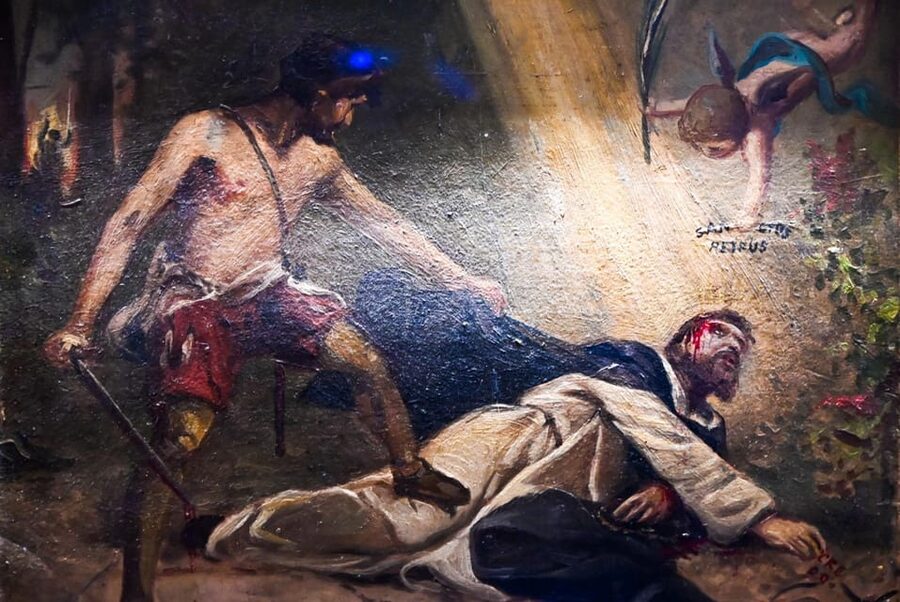
I think you should book this if you want a focused Valletta stop that combines rare access, Dominican storytelling, and Basilica of Saint Dominic entry in about two hours. For roughly $13, you get a structured way to understand how a long Dominican presence influenced the city—and you do it through objects and places that are usually out of reach.
Skip it if you want a super fast hit of sightseeing, or if you strongly need lots of language options beyond English. For everyone else, this is one of those tickets that rewards slower travel: you’ll leave with a clearer sense of why these buildings and artifacts are here, and what they meant to the people who lived in Valletta across centuries.
FAQ
How long is the Valletta Black Friars Experience?
It’s listed as a self-guided tour of about 2 hours.
Where do I start the experience?
The meeting point is St. Dominic Priory, located at 44c St Dominic Street, Valletta.
What’s included with the ticket?
You get access to the Valletta Black Friars Experience Museum and access to the Basilica of Saint Dominic. An audio guide is included.
Is the experience wheelchair accessible?
Yes, it is listed as wheelchair accessible.
What language is the experience offered in?
The experience is listed in English. The host or greeter is also listed as English.
Do I have to pay upfront, and can I cancel?
You can reserve now and pay later. Free cancellation is available up to 24 hours in advance for a full refund.
More Tour Reviews in Valletta




More Valletta Walking Tours


Wondering what else is on? More Malta and Gozo trips from our own notebook


Valletta Walking Tours, compared.
 ★ 5.0The Original Valletta Walking TourFrom $262,719 reviews
 ★ 4.7Valletta: 3-Hour Walking TourFrom $251,605 reviews
 ★ 4.8Valletta: Guided City Walking TourFrom $241,256 reviews
 ★ 4.8Valletta: Street Food and Culture Walking TourFrom $651,251 reviews
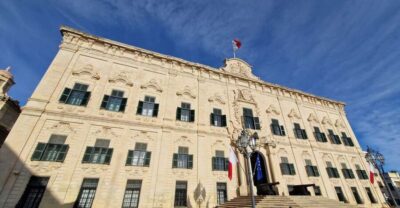 ★ 4.9Valletta: City Walking Tour in a Small GroupFrom $24957 reviews
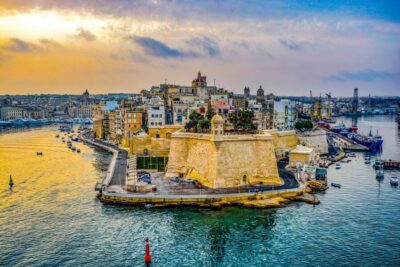 ★ 4.3From Sliema: Valletta and the Three Cities Scenic CruiseFrom $24763 reviews
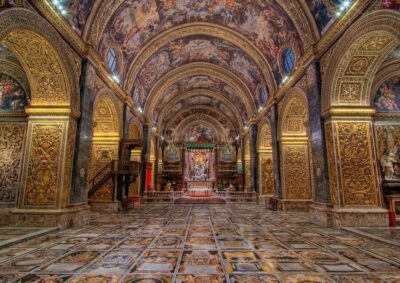 ★ 4.3Valletta: Guided Walking Tour with Optional Cathedral TourFrom $46758 reviews
 ★ 5.0Valletta Food TourFrom $60711 reviews
Browse the lists this tour appears in