
Reviewed · VALLETTA WALKING TOURS
The Grand Tour of Valletta: A walking tour of Valletta.
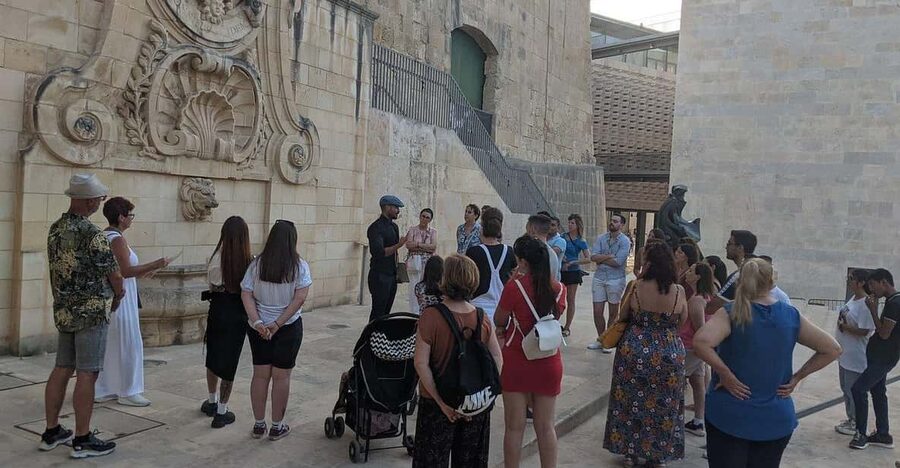
Valletta has stories around every corner. This walking tour is a fast, vivid way to understand how a fortified city grew from the Great Siege of 1565 and later survived the scars of World War II, without getting lost in big-group chaos. I like that it feels intimate, with space to ask questions, and I also enjoy the guide-style story telling that turns dates and titles into something you can actually picture.
You’ll also get a smart mix of famous sights and the oddball details that make Valletta feel lived-in. I especially liked the way it ties together the Knights of Malta—knightly life, lavishness, and even the vow of chastity—so the place stops being a list and starts being a narrative. The one drawback: it’s a street-level tour with short stops, so if you’re hoping for long museum time or slower, deeper site reading, you’ll likely want to pair it with an extra visit afterward.
In This Review
- Key things I’d watch for on this tour
- Why a walking tour is the best shortcut through fortified Valletta
- Meeting at Triton Fountain: the start you’ll remember
- The Royal Opera House stop: arts and authority side by side
- Auberge de Castille: when you learn why power looked like this
- Upper Barrakka Gardens: a planned viewpoint with story built in
- Misraħ San Ġwann: finishing with the Knights’ lasting shadow
- What the guide actually covers: sieges, knights, and the gossip that sticks
- How the tour’s pace and format help you ask questions
- The $24 price: why it’s good value for a first pass
- Who this tour fits best (and who should think twice)
- Should you book this Valletta walking tour?
- FAQ
- FAQ
- How long is the Grand Tour of Valletta?
- What does the tour cost?
- Where do I meet the guide?
- What’s included in the price?
- Are museum tickets included?
- What language is the tour conducted in?
- Is the tour wheelchair accessible?
- How big are the groups?
- When can I cancel for a full refund?
- Is there a reserve-and-pay-later option?
Key things I’d watch for on this tour
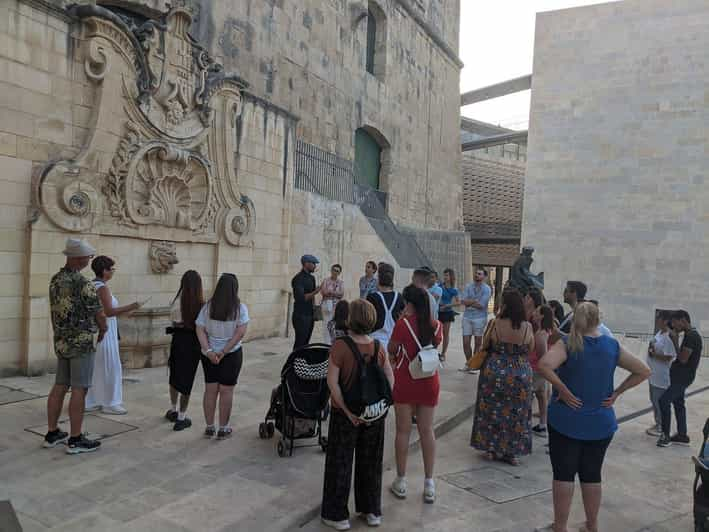
- Small-group feel: you avoid large crowds and keep the pace human.
- Theatrical story telling: the guide brings history to life with performance-style narration.
- Picture moments planned in: you’ll hit viewpoints like Upper Barrakka Gardens to orient your eyes.
- Big themes, short stops: knights, the 1565 siege, and World War II are all woven in quickly.
- Questions are part of the experience: you’re encouraged to ask and get answers in real time.
More Valletta walking tours we have followed through the old streets
- Valletta: 3-Hour Walking Tour
★ 4.7 · 1,605 reviews - Valletta: Guided City Walking Tour
★ 4.8 · 1,256 reviews - Valletta: Street Food and Culture Walking Tour
★ 4.8 · 1,251 reviews - Valletta: City Walking Tour in a Small Group
★ 4.9 · 957 reviews
Why a walking tour is the best shortcut through fortified Valletta
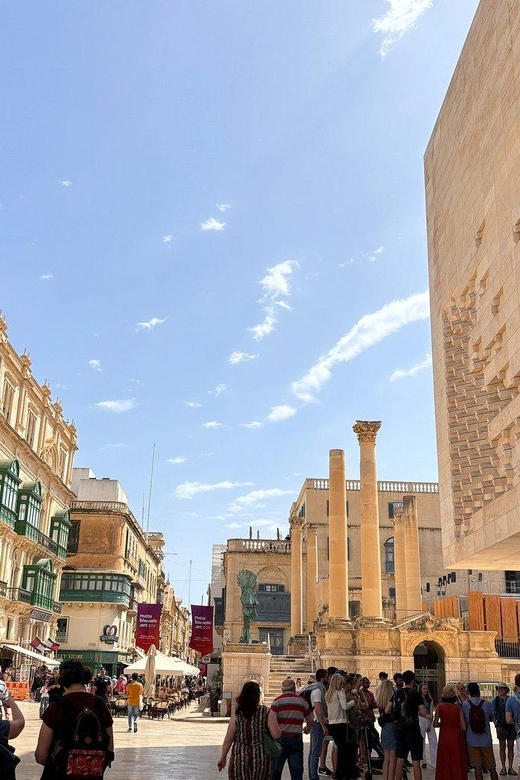
Valletta can feel like a textbook if you see it randomly, point-to-point, on your own. This tour gives you a route where the city’s defenses, religious power, and knightly culture connect in a way that’s easy to follow. You don’t just look at stone—you learn what the stone was built to do.
I also like that the tour frames Valletta as something with layers. The Knights of Malta era isn’t floating in the past; it’s tied to how the city developed and how later events shaped what you see today. In two hours, you get a guided mental map that helps the rest of your day make sense.
Meeting at Triton Fountain: the start you’ll remember
The meeting point is right by Triton Fountain, where guides gather around with a HOUSE OF TOURS board. This matters more than it sounds, because Valletta’s center can be easy to wander around if you’re not anchored early. Starting at a recognizable landmark helps you settle in and focus on the story from minute one.
From there, the tour moves into the parts of the city where power was displayed—places where architecture and symbolism worked like public messaging. If you’re prone to “photo first, story later,” this tour flips that habit for you.
The Royal Opera House stop: arts and authority side by side
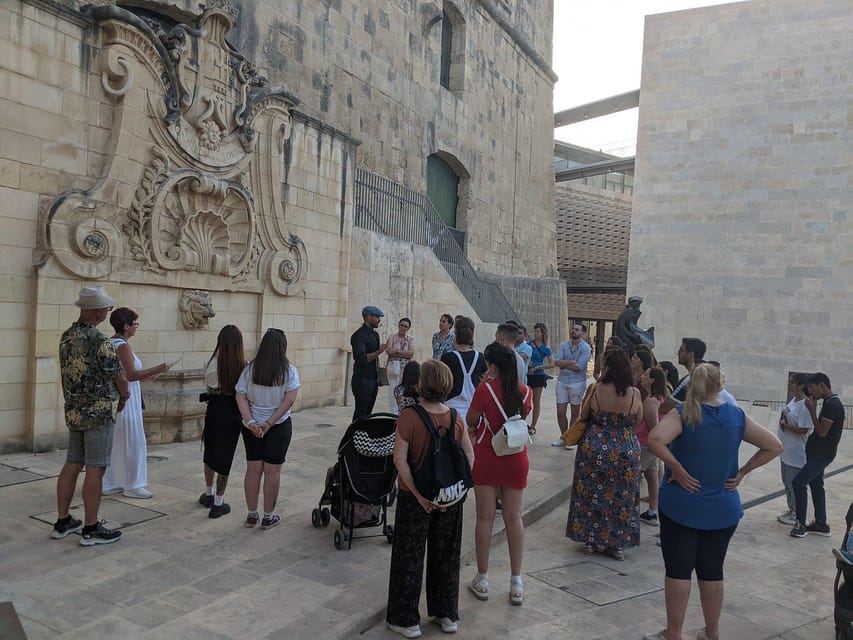
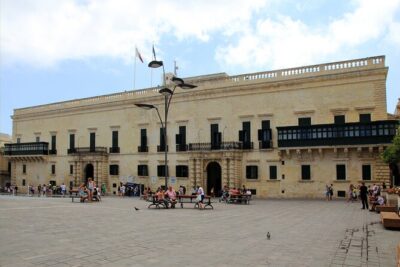
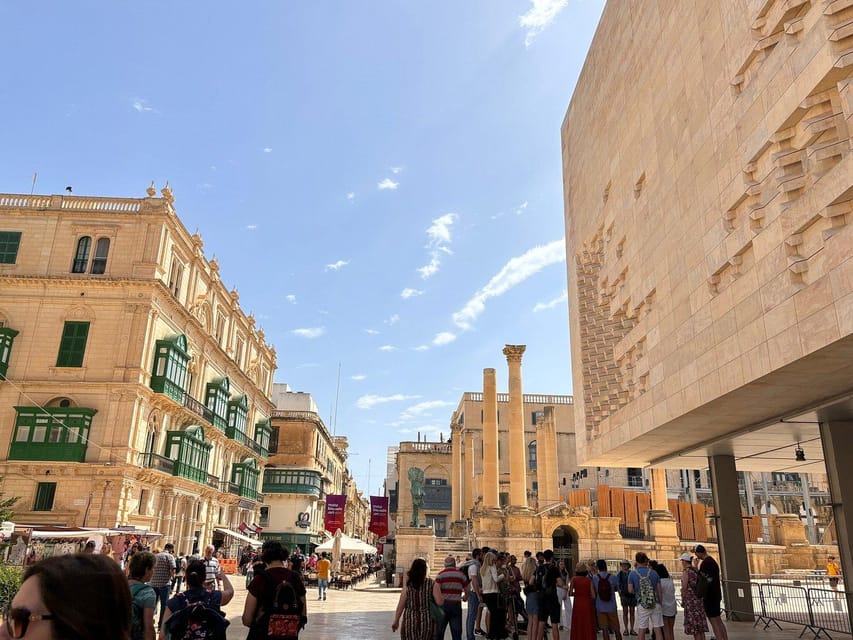
One of the first guided stops is the Royal Opera House area (a short, timed segment). Even if you’re not going inside, you’re being introduced to a mindset: Valletta wasn’t only about defense and duty. It also had culture and status baked into its public buildings.
What I like here is the way the guide uses the city’s major landmarks to explain how different eras left their marks. You start seeing Valletta as a place where the Knights and later generations used architecture to project identity—then you carry that lens forward as the tour continues.
More Maltese Islands walks through the honey-stone streets

Auberge de Castille: when you learn why power looked like this
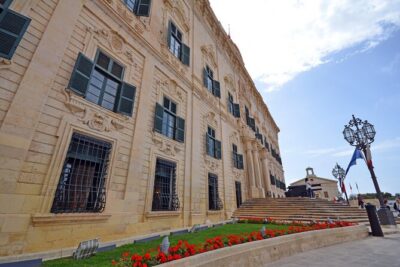
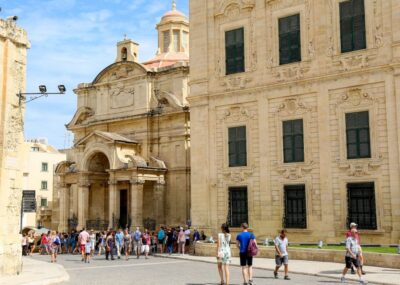
Next comes Auberge de Castille, another quick guided stop. This is the kind of location where it’s easy to pass by and think, Okay, important building. The value of a guided walk is that you learn what made it important and how the Knights organized their world.
This is also where the tour’s storytelling style really helps. Instead of only naming the site, the guide connects the broader theme—knightly life and the order’s role in Malta’s story—to what you’re standing in front of. It turns a stop on a route into a piece of the puzzle.
Upper Barrakka Gardens: a planned viewpoint with story built in
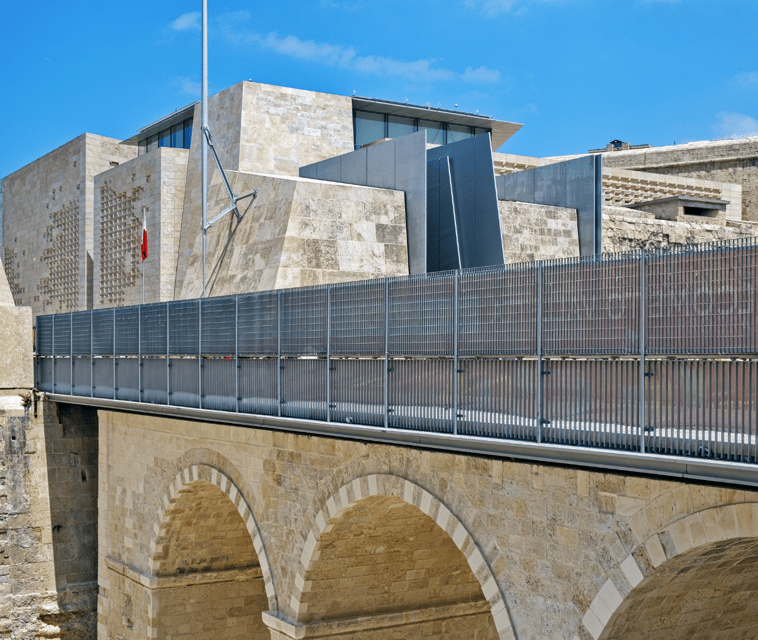
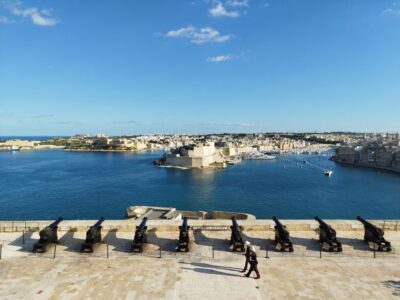
Upper Barrakka Gardens is your photo stop and viewpoint window, with time set aside for photos and guided narration. This is one of those places where Valletta suddenly clicks visually: the city’s layout, the waterfront views, and the defensive logic become easier to understand when you can look outward.
I also like that the tour doesn’t treat the gardens as a simple scenic break. You get context for why a viewpoint like this mattered to people living in a fortified city. You’re not just collecting a pretty picture—you’re collecting a new angle on the city’s “why.”
Misraħ San Ġwann: finishing with the Knights’ lasting shadow
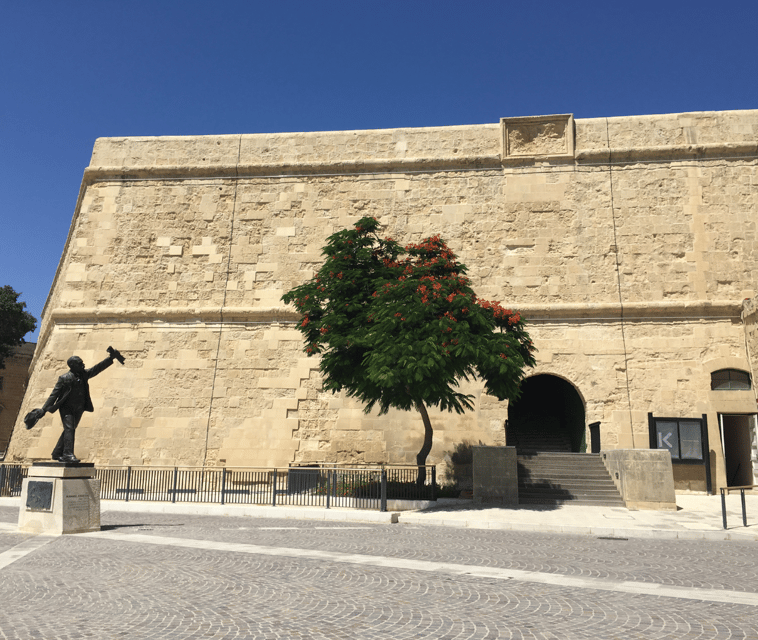
The tour ends at Misraħ San Ġwann. This finish point works well because it brings your walking story back toward the Knights of Malta theme that runs through the whole experience.
What you’re doing at the end is mentally tying together the route you walked: siege-era grit, knightly identity, religious authority, and the way later history kept reshaping the city. By the time you reach the finish, you’re set up to keep exploring on your own with a clearer sense of what you’re seeing.
What the guide actually covers: sieges, knights, and the gossip that sticks
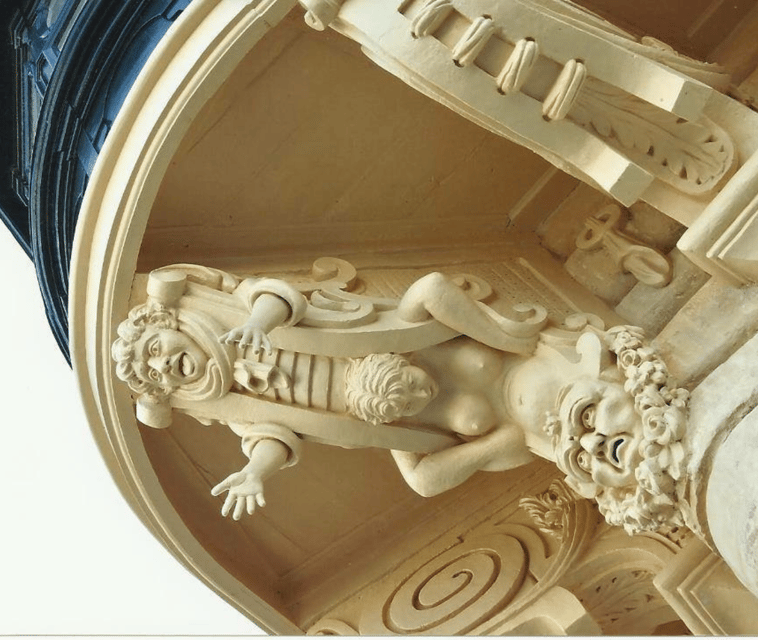
The tour is built around major themes, but it also emphasizes the smaller stories that make Valletta memorable. You’ll hear about the Great Siege of 1565, often referred to through the tour as the bloodiest battle of the 16th century, and how that moment helped forge Valletta’s fortified character.
You’ll also learn about knight life and the contradictions people forget to mention: the lavish lifestyle, the religious discipline, and the intriguing vow of chastity woven into the culture. That last detail is the kind of information you can’t really “browse” on a random street corner, but once you hear it, you notice it in how the city’s identity is presented.
A big plus is how the tour stretches from the crusades era up to the present day. The city stops being a closed chapter. It becomes a living place where old institutions and symbols still echo.
One specific detail I found especially useful: you’ll get a connection between the Knights of St John in Valletta and the origins of St John’s Ambulance in the UK. That kind of link is perfect for helping you remember what you learned later, because it ties Malta to something familiar back home.
How the tour’s pace and format help you ask questions
The tour is designed to avoid large groups, and that changes the entire feel. When you’re not squeezed into a crowd, you can actually hear the guide, and you can ask your own follow-up questions without feeling rushed. It’s the difference between watching a performance and participating in one.
The guides on this tour lean into theatrical storytelling, which helps if you’re tired of dry explanations. Some guides bring an arts-and-acting background, and that shows in how the narration is delivered. The result is that you leave with scenes in your head, not just facts on a page.
That said, the tour uses short, timed stops. One person noted they’d prefer more walking and shorter fact stops. If you’re the type who wants to linger and read every plaque slowly, you may find the pace a bit tight. Think of this as a “get your bearings fast” kind of experience, then go deeper on your own for whatever grabs you most.
The $24 price: why it’s good value for a first pass
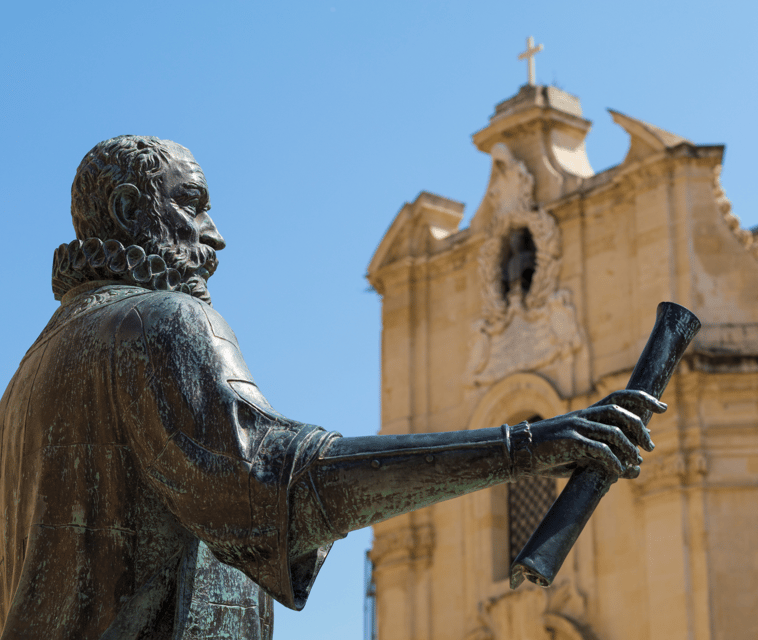
At $24 per person for a two-hour guided walk, this sits in the sweet spot for many budgets. You’re paying for a professional guide, not for admission tickets. In other words, you’re buying time with someone who can connect the sites and provide stories you likely won’t get by yourself.
Museum entrances are not included, so you shouldn’t expect a ticketed add-on day. That’s actually a plus if you don’t want to get stuck choosing between too many interiors. You get a guided overview of multiple major points plus lesser-known anecdotes, then you can decide later what’s worth paying to enter.
For first-timers, I think this is a smart value move. It gives you a grounded sense of the city’s key themes early, so your self-guided exploration after the tour is more targeted and less random wandering.
Who this tour fits best (and who should think twice)
This is a great fit if you:
- want a strong overview of Valletta’s fortified story in about two hours
- like history that feels like a story, not a lecture
- enjoy asking questions and getting direct answers
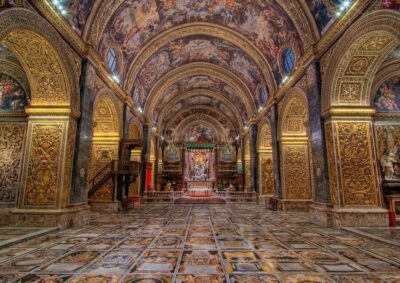
- want to see major landmarks such as St John’s Co-Cathedral, the Grandmaster’s Palace, and Upper Barrakka Gardens as part of the bigger narrative
It may be less ideal if you:
- want lots of time inside museums or long, slow site reading
- prefer to travel at a very relaxed pace with long stops
- dislike walking routes that move through several key points in one sitting
For most people, though, it’s a satisfying balance: guided orientation plus enough flexibility to keep exploring afterward.
Should you book this Valletta walking tour?
If you’re aiming to understand Valletta—not just photograph it—this tour is a solid booking. The small-group setup, the theatrical story telling, and the focus on knights, siege history, and how later events affected the city give you a lot of payoff per hour. You’ll finish with a clearer mental map and specific stories you’ll remember.
My only caution is about expectations. This is not a museum day, and the stop times are short by design. If you want to linger, pair the tour with your own follow-up visits to the places that catch your attention most.
FAQ
FAQ
How long is the Grand Tour of Valletta?
It lasts 2 hours.
What does the tour cost?
The price is $24 per person.
Where do I meet the guide?
You meet around Triton Fountain, with a HOUSE OF TOURS board.
What’s included in the price?
A professional tour guide is included.
Are museum tickets included?
No. Museum entrance tickets are not included.
What language is the tour conducted in?
The live tour guide offers the tour in English.
Is the tour wheelchair accessible?
Yes, it is listed as wheelchair accessible.
How big are the groups?
The tour is designed to be intimate and avoids large groups.
When can I cancel for a full refund?
You can cancel up to 24 hours in advance for a full refund.
Is there a reserve-and-pay-later option?
Yes. You can reserve now and pay later.
More Tours in Valletta




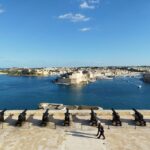

More Tour Reviews in Valletta
More Valletta Walking Tours


Wondering what else is on? More Malta and Gozo trips from our own notebook


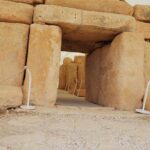

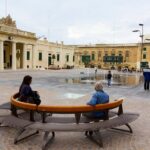

Valletta Walking Tours, compared.
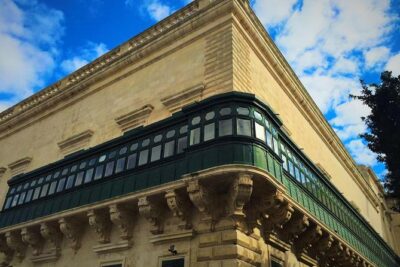 ★ 5.0The Original Valletta Walking TourFrom $262,719 reviews
 ★ 4.7Valletta: 3-Hour Walking TourFrom $251,605 reviews
 ★ 4.8Valletta: Guided City Walking TourFrom $241,256 reviews
 ★ 4.8Valletta: Street Food and Culture Walking TourFrom $651,251 reviews
 ★ 4.9Valletta: City Walking Tour in a Small GroupFrom $24957 reviews
 ★ 4.3From Sliema: Valletta and the Three Cities Scenic CruiseFrom $24763 reviews
 ★ 4.3Valletta: Guided Walking Tour with Optional Cathedral TourFrom $46758 reviews
 ★ 5.0The Valletta Street Food and Culture Walking TourFrom $66711 reviews
Browse the lists this tour appears in