
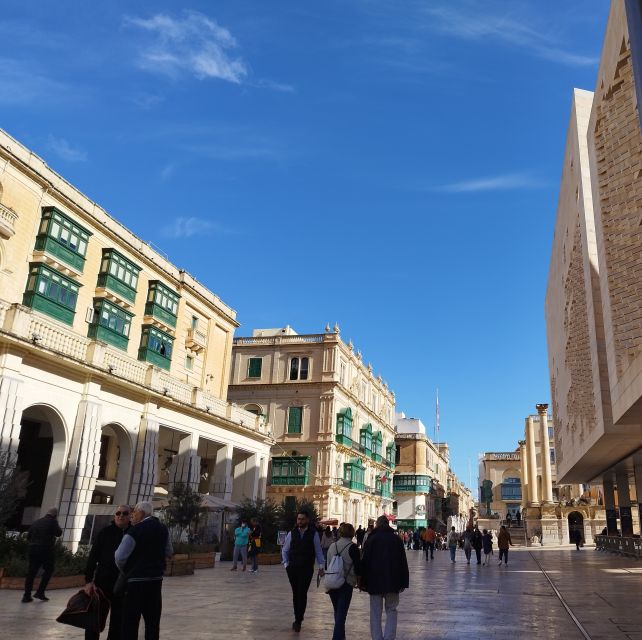
Reviewed · VALLETTA WALKING TOURS
On the Footsteps of the Knights – Valletta and Vittoriosa
Knights left stone clues everywhere in Malta. I love how this tour anchors you in Valletta’s fortification lines, then carries you across the Grand Harbour to Vittoriosa (Birgu) for a story you can literally walk through. The pace is tight enough to cover the main highlights without turning it into a blur.
Second, I like that you get an experienced licensed guide leading you off the main tourist path, not just around the obvious postcards. On tours led by guides such as Nadine and Visnja, the focus is on answering your questions clearly and keeping the flow easy. One thing to plan for: hotel pick-up is not included by default, so you’ll want to be ready to meet at the Valletta City Gate area.
In This Review
- Key Highlights You’ll Feel During This Knights Trail
- Why Valletta and Vittoriosa Belong Together
- Starting at Valletta’s City Gate and the Knights’ Big Picture
- Walking Valletta’s Fortification Lines Without Getting Lost in Walls
- Crossing Malta’s Grand Harbour to Vittoriosa: The Town by the Water
- Vittoriosa’s Historic Centre: Birgu’s Winding Streets and Harbour Views
- How the Knights’ Timeline Lands on the Ground
- Guide Quality: Private, Licensed, and Actually Responsive
- Timing and Pace: Why 4.5 Hours Works Here
- Price and Value for a Private Group Up to 2
- Logistics That Matter: Meeting Point and No Automatic Pick-Up
- Who This Tour Suits Best
- Should You Book This Knights of Malta Tour?
- FAQ
- Where do we meet for the tour?
- How long is the tour?
- Is this tour private or shared?
- What’s included in the price?
- Is hotel pick-up included?
- How do we cross from Valletta to Vittoriosa?
- Can I cancel for a refund?
Key Highlights You’ll Feel During This Knights Trail
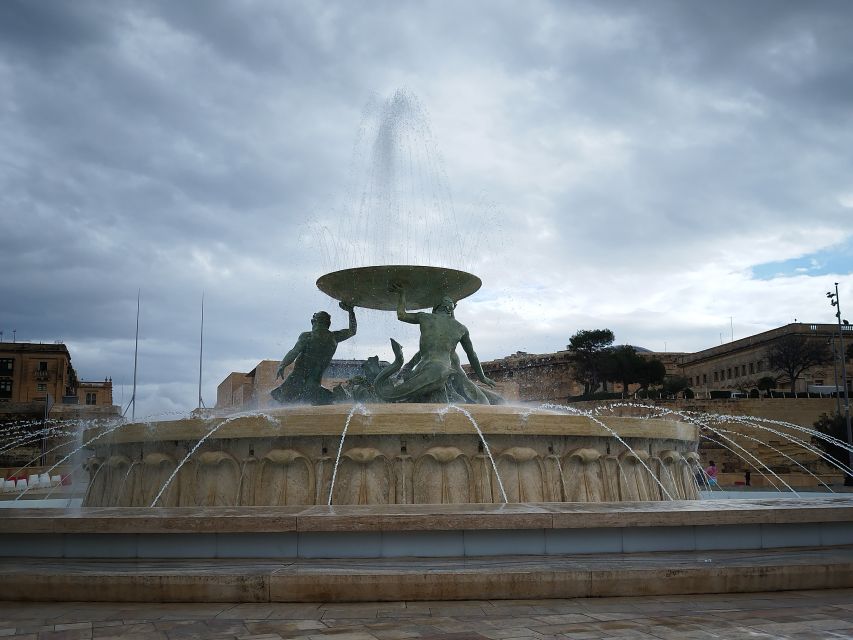
- Valletta’s fortifications in stone, explained so you can see what the Knights built and why
- A Grand Harbour crossing to reach Vittoriosa’s waterfront setting
- Birgu’s winding streets, shaped by early Knights-era building and layout
- The Great Siege story (1565) tied to the places you see
- Off-the-beaten-track stops that add texture beyond the big sights
- Private, licensed guiding in English, French, German, or Italian
More Valletta walking tours we have followed through the old streets
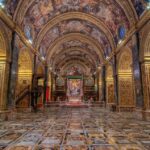
- Valletta: Guided Walking Tour with Optional Cathedral Tour
★ 4.3 · 758 reviews - The Valletta Street Food and Culture Walking Tour
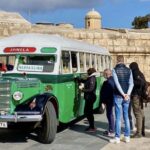
★ 5.0 · 711 reviews - Valletta: Vintage Bus to Valletta, Sliema, Rabat & Mdina
★ 4.1 · 433 reviews - Valletta Segway Tour and The Malta Experience
★ 5.0 · 397 reviews
Why Valletta and Vittoriosa Belong Together
If you want to understand the Knights of Malta, you can’t just look at one city. Valletta is where the Knights later built their new base. Vittoriosa (Birgu) is where they first landed and dug in along the harbour—then where history came down hard during the Ottoman threat.
This tour connects those dots in a practical way. You start in Valletta, where the city’s walls and defensive planning shaped daily life. Then you cross the Grand Harbour and land in Vittoriosa, where the street plan and waterfront views make the maritime story feel real. The best part is that the geography supports the narrative: ships, harbours, and fortifications are not abstract themes here—they’re the stage.
Starting at Valletta’s City Gate and the Knights’ Big Picture
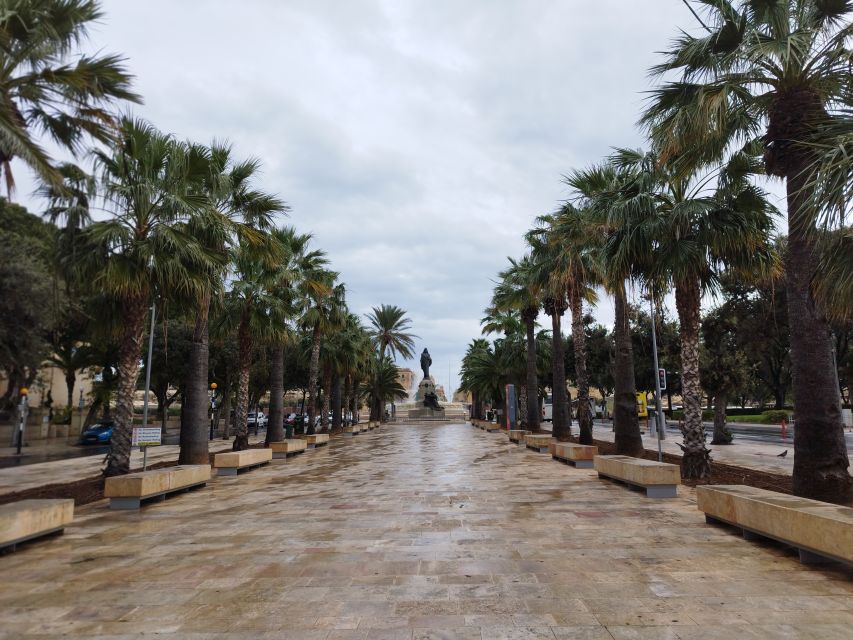
You meet your guide at the entrance of Valletta, just past the City Gate in front of the New Parliament Building, opposite the Burger King sign. That matters more than it sounds. Starting near a key threshold point helps you understand Valletta as a controlled city—built to be defended and managed, not just admired.
From there, your guide gives a short, clear introduction to the Knights of St. John and why Malta mattered. The story begins in 1530, when the Order came to Malta and settled in a harbour hamlet called Il-Birgu. Instead of starting with grand palaces, they started with infrastructure and defence: a first hospital, auberges (the Knights’ lodgings), and fortifications they expected to need.
This is where the tour earns its focus. You don’t just hear dates—you’re walked through what those choices meant. The guide ties the Knights’ objectives to what you see in Valletta’s built form and the fortified mindset behind the layout.
Walking Valletta’s Fortification Lines Without Getting Lost in Walls
One of the highlight promises is Valletta’s fortification lines, and the payoff is how your guide helps you read them. Fortifications are easy to admire from a distance. They’re harder to understand up close because you’re looking at stone while your brain tries to picture tactics.
That’s what the tour helps with. As you move through the areas your guide selects—passing main landmarks and also quieter side routes—you get an explanation of why these defences existed and what threats they were built to handle. You start to notice how the city’s shape supports control and visibility, and how the Knights were thinking about movement, protection, and distance.
Possible drawback to note: if you dislike walking through hilly, stone-heavy old cities, this may feel like a lot. But if you’re okay with a solid 4.5-hour walk and you’re curious about why cities were built the way they were, you’ll get a lot more out of the stone than you would on a quick stop-and-snap visit.
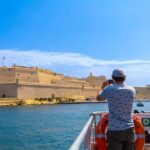
More Three Cities tours we have traced around the creeks of Birgu



Crossing Malta’s Grand Harbour to Vittoriosa: The Town by the Water
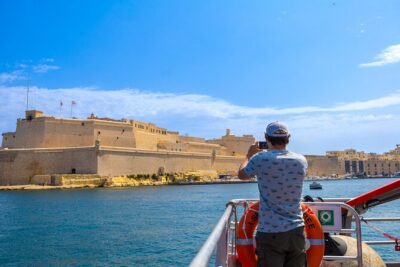
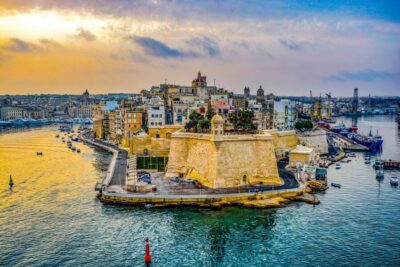
Then comes one of the most enjoyable segments: you head toward the Grand Harbour and cross to Vittoriosa. The crossing is described as a traditional gondola route when weather allows, or a ferry if not.
Either way, this is more than transport. You’re moving across the same kind of waterway that shaped the Knights’ decisions. Once you reach Vittoriosa, you’ll feel the shift from Valletta’s defensive urban plan to a maritime town identity—streets that relate directly to the harbour, buildings that lean into commerce and passage, and viewpoints that make the water part of the story.
When you’re planning your day, remember that harbour crossings can be the part that changes your comfort most. If you tend to feel chilly near water, bring a light layer you can add and remove.
Vittoriosa’s Historic Centre: Birgu’s Winding Streets and Harbour Views
After the crossing, your guide takes you through Vittoriosa’s historic centre. This area is known for winding streets and for buildings connected to the Knights’ early years on Malta—structures that came together shortly after their arrival.
The tour uses those streets as a timeline. Here’s the key context your guide will frame for you:
- In the Knights’ early Malta period, Il-Birgu served as their harbour hamlet base.
- They built their first hospital and established auberges, along with fortifications geared toward Ottoman attack.
- The Ottomans attacked in 1565, and the Knights won the siege, remembered as The Great Siege.
- After the victory, the town was renamed Vittoriosa, meaning the Victorious City.
- In 1571, the Knights moved their main base to Valletta, the new city they built.
What I like about this approach is that it turns Vittoriosa into more than a museum setting. You’re not only learning what happened—you’re connecting it to a street pattern and a harbour setting where decisions made sense. And you get fabulous views of the Grand Harbour, which is exactly what you want at this point in the story: the water becomes the backdrop to the strategy.
How the Knights’ Timeline Lands on the Ground
Dates can feel like memorization. This tour keeps them grounded by matching them to the places you’re standing.
Here’s how the flow helps you understand the Knights’ mindset:
- Early arrival (1530): They start in a harbour settlement, focused on getting operational quickly—health, housing (auberges), and defences.
- The crisis (1565): The Great Siege makes the fortifications and strategic location urgent. Vittoriosa earns its name after the victory.
- The shift (1571): When the Knights move to Valletta, the story doesn’t end—it moves into a larger, purpose-built city environment.
So when your guide points out what to notice, you can follow the logic. Valletta becomes the later expression of planning. Vittoriosa becomes the origin story of survival and readiness.
Guide Quality: Private, Licensed, and Actually Responsive
This is a private group experience with a fully licensed tour guide, offered in English, French, German, and Italian. That licensing detail matters in places like Malta, where history can be complicated and where you want someone who can keep facts straight and pacing appropriate.
The strongest praise for guides such as Nadine and Visnja is the way they handle questions. If you ask about the Knights, the churches, or why certain areas feel the way they do, the tour responds. You don’t just get a monologue—you get a conversation shaped around what you want to understand.
That makes a difference for value. A private format means you can spend more time on the parts you care about: defence and fortifications if you’re a city-planner type, or siege-era context if you want the dramatic stakes. It also helps you move at a comfortable speed instead of being swept along with a larger group.
Timing and Pace: Why 4.5 Hours Works Here
This tour runs about 4.5 hours, and that length is just right for the theme. It’s long enough to cross the harbour and actually walk both urban areas, but short enough that you’re not stuck in “history fatigue” mode.
The main thing to plan: you’ll be walking through old-city streets and reaching waterfront areas. Malta’s stone and street layout can be uneven, so wear shoes you’d trust for a long walk. Bring water, and don’t underestimate sun exposure—especially if you’re visiting outside the mildest weather.
Price and Value for a Private Group Up to 2
The price is $530 per group for up to 2 people. On paper, that might sound steep if you’re comparing it to public walking tours. But in value terms, you’re paying for three concrete pieces:
- A fully licensed private guide for the full 4.5 hours
- A harbour crossing to connect Valletta and Vittoriosa
- A guided pairing of two connected UNESCO-level city stories instead of doing them separately
For two people, it can work out well if you like the freedom of a private itinerary and you want your questions answered. If you’re traveling solo, the per-person value depends on whether you’d otherwise pay for multiple tickets and guidance across two cities.
My practical advice: if you can split the cost with a partner or friend, this is the kind of tour where your money goes toward understanding, not just transportation.
Logistics That Matter: Meeting Point and No Automatic Pick-Up
Meet-up is set at Valletta’s City Gate area, near the New Parliament Building and opposite Burger King. Hotel pick-up isn’t included by default. The good news is that you can request a transfer to Valletta, but you’ll want to plan ahead if you’re staying outside the city center.
If you’re the type who likes smooth starts, do yourself a favor and confirm your meeting details when booking. Valletta’s streets are compact, and the most efficient plan is knowing exactly where to meet before you step into the maze.
Who This Tour Suits Best
This is a great match if you:
- Want the Knights of Malta story connected to places, not just dates
- Prefer a walking pace with time for questions
- Enjoy fortifications, maritime settings, and how cities defend themselves
- Travel as a couple and want a private guide rather than a large group format
It’s also a solid choice if you’ve already seen some “top sights” in Malta and want a more focused thread—Valletta and Vittoriosa tied together by the Knights’ movements and decisions.
Should You Book This Knights of Malta Tour?
I’d book it if you want a guided link between Valletta and Vittoriosa that explains the why behind the stone. The harbour crossing adds real atmosphere, and the private guide format helps you get answers instead of rushing past walls and churches.
If, however, you’re looking for a short highlights loop with minimal walking, this may feel like more work than you want. But if you’re happy to walk for 4.5 hours and you care about the Knights’ story as a connected timeline, this tour has the kind of structure that makes Malta click.
FAQ
Where do we meet for the tour?
You meet at the entrance of Valletta, just past the City Gate in front of the New Parliament Building, opposite the Burger King sign.
How long is the tour?
The tour lasts about 4.5 hours.
Is this tour private or shared?
This is a private group tour.
What’s included in the price?
Included are the services of a fully licensed tour guide and the ferry crossing to Vittoriosa.
Is hotel pick-up included?
Hotel pick-up is not included by default, but a transfer to Valletta can be organized upon request.
How do we cross from Valletta to Vittoriosa?
You’ll cross the Grand Harbour using a traditional gondola when weather permits, or by ferry.
Can I cancel for a refund?
Yes. You can cancel up to 24 hours in advance for a full refund.
More Tour Reviews in Malta



More Three Cities Tours around the Creeks



More Valletta Walking Tours



Wondering what else is on? More Malta and Gozo trips from our own notebook


Valletta Walking Tours, compared.
 ★ 5.0The Original Valletta Walking TourFrom $262,719 reviews
 ★ 4.7Valletta: 3-Hour Walking TourFrom $251,605 reviews
 ★ 4.8Valletta: Guided City Walking TourFrom $241,256 reviews
 ★ 4.8Valletta: Street Food and Culture Walking TourFrom $651,251 reviews
 ★ 4.9Valletta: City Walking Tour in a Small GroupFrom $24957 reviews
 ★ 4.3From Sliema: Valletta and the Three Cities Scenic CruiseFrom $24763 reviews
 ★ 4.3Valletta: Guided Walking Tour with Optional Cathedral TourFrom $46758 reviews
 ★ 5.0The Valletta Street Food and Culture Walking TourFrom $66711 reviews
Browse the lists this tour appears in